Showing posts with label commedia all'italiana. Show all posts

Sunday, 18 September 2011

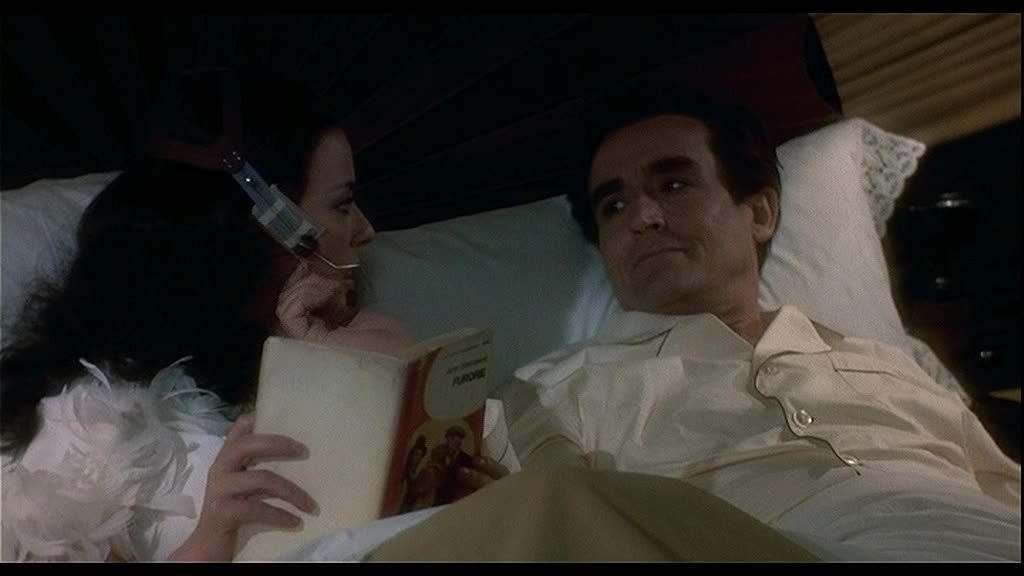
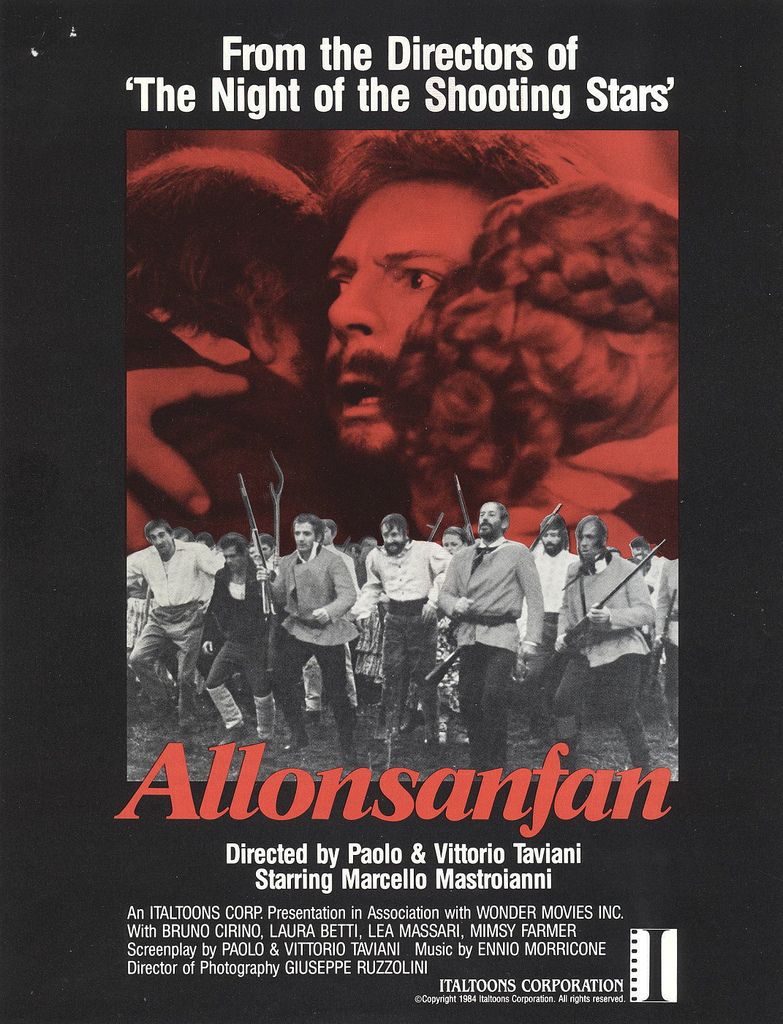
Allonsanfàn (1974)


Allonsanfàn is a wry, strange look at the absurd tragedy of radical Italians. It technically takes place in the early 19th century, but it could be just as home in the 1860s, 1920s or 1970s. In fact, especially the 1970s - a decade in which domestic terrorism killed Aldo Moro and laid bombs in Bologna's train station. A decade where the idealism of 1968 had ripened into a hyper-violent, extreme nihilism (both on the Left and the Right), where killing became a currency of discourse. (Thanks, Paul Ginsborg, by the way, for teaching the PPCC about modern Italian history! Seriously, readership, A History of Contemporary Italy is wonderful.)

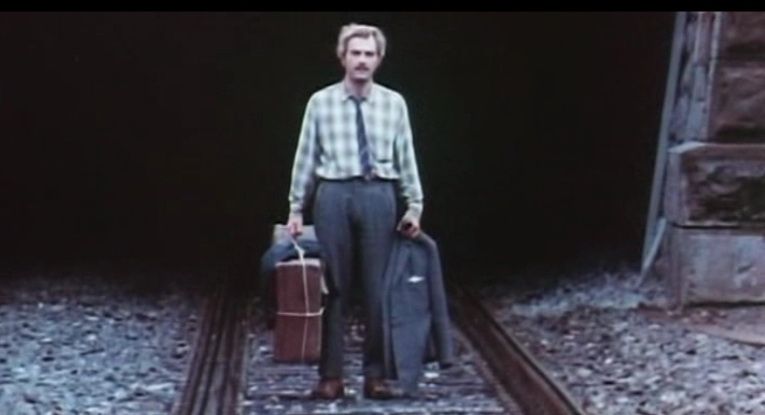
Anyway, in Allonsanfàn, we follow a disillusioned, weary and aging radical, Fulvio Imbrani (Marcello Mastroianni), as he repeatedly tries (and fails) to extricate himself form his former revolutionary life. This is often to grotesque or comedic results (such as when he makes a suicide pact with one fellow comrade, only to let the other guy go first), though - as is the usual style of 1970s commedie all'italiana - it's also very sad, beneath everything. The aristocratic Fulvio stumbles out of prison one day, feverish and exhausted, narrowly avoiding a grim fate at the hands of the state. His revolutionary comrades likewise almost behead him, thinking he had spilled all their secrets. When this is proved false, he is left to mend in the comfort of his big fancy bed in his big fancy mansion. And big fancy mansions - they are hard to say no to.

Indeed, Fulvio's ideals - which were already a little brittle - now crumble under the weight of this material comfort. Of course, this gnaws at him - aren't those big fancy chandeliers just symbols of oppression? And his poor nanny, still making his bed and doing back-breaking agricultural labor outside? Fulvio's strength of opinion, though, has been broken out of him. Or maybe he's just tired of being indignant and sure of everything, because he proceeds to embark in a misguided, frequently half-assed adventure to cut his old ties. We found ourselves snickering, sometimes with disgust, sometimes with glee, at Fulvio's silliness, selfishness and pitiable state - and we found ourselves constantly grafting this story onto the wider meaning of 1970s Italian politics, messy and unfortunate as they were. "How can we live in this world?" one earnest revolutionary laments. "When everyone seems asleep, and we're the only ones who seem to have woken up?" It's a sad, slightly delusional statement, and Fulvio's in the unfortunate position of recognizing the idealists' misguided attempts to (for example) free the Southern peasants, while not having the courage or ability (or good luck!) to get free of their grasp. He's made his bed, and now he's going to LIE IN IT, FOR THE LOVE OF GOD.

Allonsanfàn himself turns out to be a character, a young revolutionary (Stanko Molnar), who is the most dedicated, the grimmest, and, ultimately, the most delusional. A stand-in for the young, violent Red Brigades? Allonsanfàn is also, oddly, named after the first two words of La Marseillaise ("Wake up, children!") - indeed, the strains of revolutionary France are an important reference for the revolutionaries of this film. (In the way that the Paris Commune inspired the 1968 Italian idealists?)

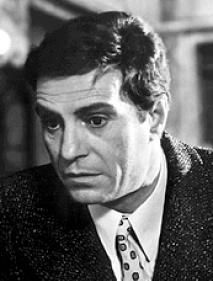
Marcello Mastroianni is, as usual, wonderful in this, aging charmer that he is. Indeed, he channels that same world-weariness that we saw in Una giornata particolare, as well as the sense of a man trapped in an almost Kafka-esque surrealist nightmare, much like his role as the doomed bricklayer from Dramma della gelosia. The music by Ennio Morricone, particularly the theme of the revolution, was also incredibly catchy and wonderful: this scene, where an embittered Fulvio meditates on his former comrades, was just wonderful. "I've healed. I've changed." Brrr, lovely!

Sunday, 11 September 2011

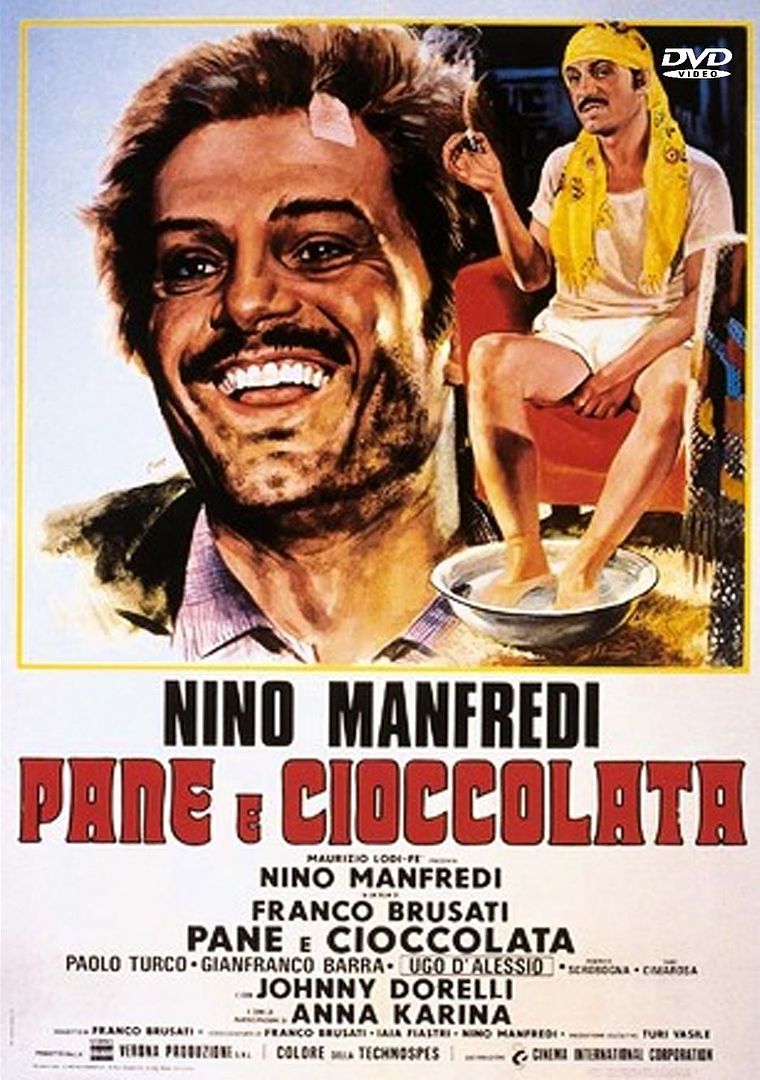
Pane e cioccolata (1974)


The popular Italian classic, Pane e cioccolata (Bread and Chocolate), is incredibly uneven. But it occasionally works as a weird, tragically farcical Odyssean tale of one Italian immigrant's misadventures in a cold, uncaring Switzerland.

Its gags are hit and miss, and its tone veers around a little wildly: in the opening ten minutes, we witness some social satire, some slapstick, and then a murdered child. It sounds strange, and, in the hands of a ballsy director like Lina Wertmuller, it might have worked as a sort of chaotic, provocative, politicized film. But director Franco Brusati is much tamer in comparison, and his aesthetics just feel sort of muddled and indistinct. Mostly, it just felt like a slightly maudlin proclamation for the inherent tragedy of immigrant lives. Yes, it's sad. But… huh? How are we supposed to feel about a ribald-turned-depressed drag show?


The immigrant.


Nino (Nino Manfredi) is a southern Italian immigrant making his way as a waiter in a posh Swiss restaurant. At night, he yearns for his family back in Italy - but his pride won't let him return, and his wallet won't let him bring them up to be Swissified (his ultimate wish).

The Swiss setting, meanwhile, is cold, uncaring, and fundamentally hypocritical: the lawns may be perfect, the etiquette air-tight, but there are dead kids in the bushes and stolen fish in the toilet bowl. Even the immigrant success stories - such as the ruthless millionaire who briefly employs Nino - end in embezzlement and suicide.

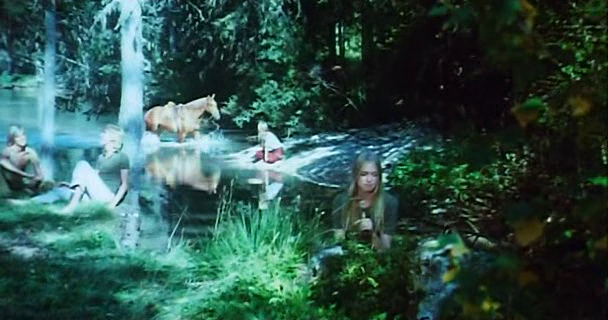
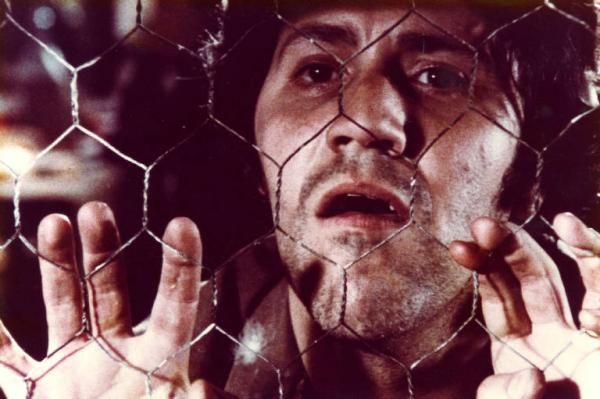
After getting fired from the restaurant, Nino faces trial after trial - and his problems just get more and more surreal. In a way, the film improves with this surreality, because that's when it makes its point most brazenly: for example, at one point, Nino ends up huddled in a chicken coop with a family of half-crazed, stunted, ignorant Italian immigrants. This madhouse increasingly appalls Nino until, exasperated, he says, "Look at us. You're Italian. I'm Italian. Does that mean we have anything in common?" The family shushes him and runs to the chicken wire window. "Look!" He joins them, and, all crouched and huddled together, the Italians watch through the chicken wire as a troup of young, naked, Aryan supermodels frolic through an Abercrombie & Fitch ad. The way this scene is directed - with lingering, objectifying shots of perfect blond hair glittering in the sunlight, and soft pink flesh - is just wonderful. It's scathing, hilarious, surreal and awful - very Lina Wertmuller! The next sequence, which opens with Nino having dyed his hair blond, is just as painful and wonderful. Indeed, the last twenty minutes of this film are uncharacteristically pitch perfect: it makes its point and hammers it home. Too bad the rest of the film wasn't like that!


Frolicking Aryans...


"Look how beautiful they are."


Our previously reviewed Café Express is indeed a spiritual sequel to this, covering much the same territory of Italian pessimism and decrepitude, embodied in the aging, tired Nino Manfredi and his sorrowful smiles. We don't know if we'd necessarily recommend these films, though, neither for their social point (which was better made by, for example, Wertmuller's Mimi metallurgico ferito nell'onore) nor for Nino Manfrediness (which is better enjoyed in C'eravamo tanto amati).

Sunday, 4 September 2011

Café Express (1980)


Like a number of commedie all'italiana, Café Express is a tragedy dressed up as a comedy. Also, like other picaresque Neopolitan Odysseys (e.g. Mi manda Picone), dissembling, poverty and surreality factor heavily.

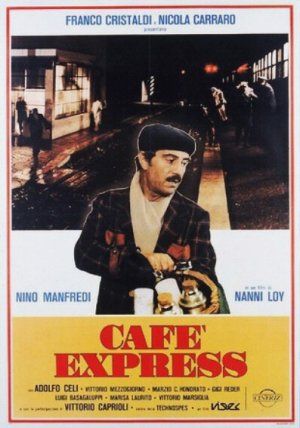
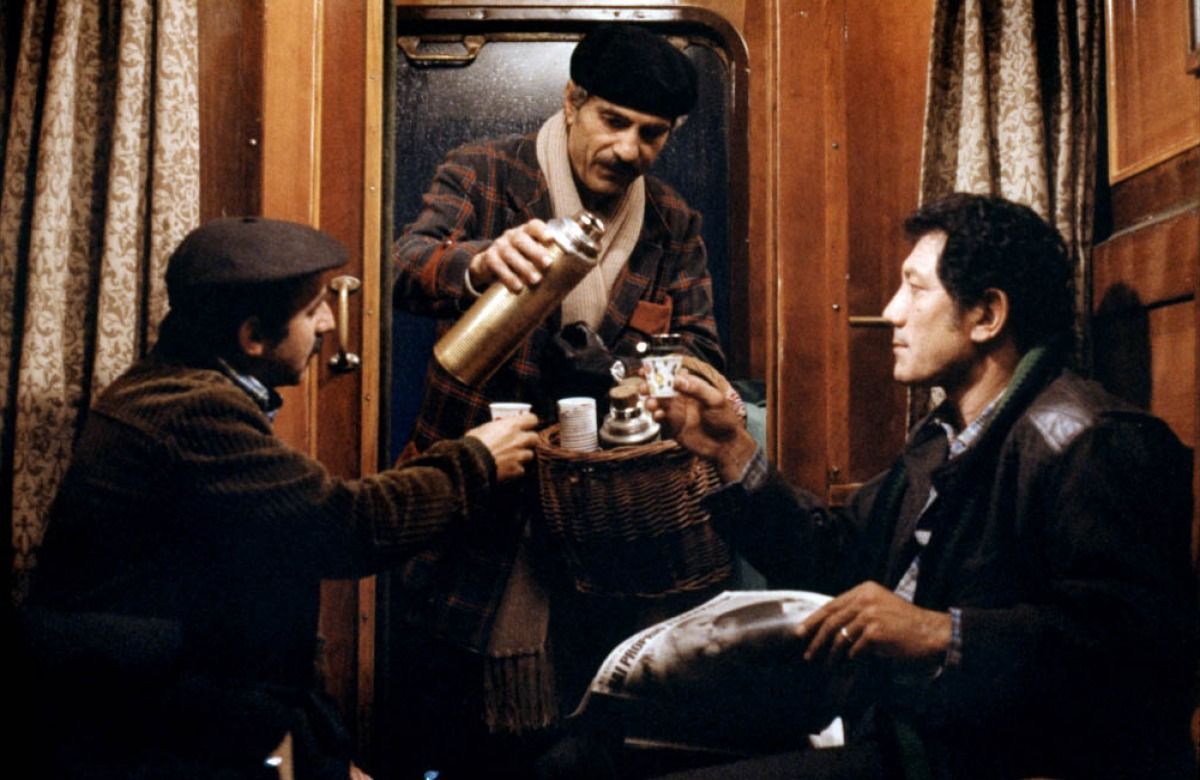
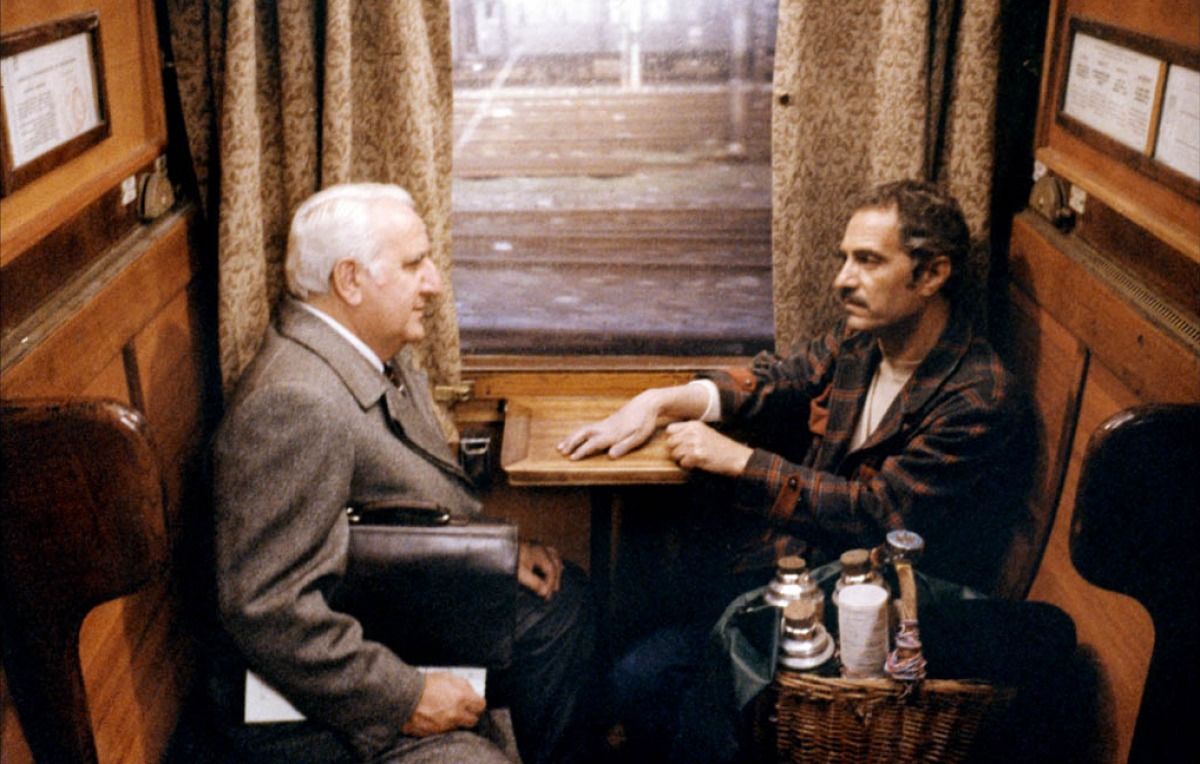
Michele Abagnano (Nino Manfredi) is an illegal coffee vendor riding the night train between Naples and Rome. With his broken shoe and wooden arm, he cuts a sorry figure. Though, since he's played by the charming Manfredi, he's also wonderfully lovable, always ready with a joke and sympathetic ear. The film ambles along, dropping in with Michele as he visits the various characters in the various cars. In this way, and the fact that it takes place overnight, the film resembles an episodic, nocturnal, ensemble piece like Jagte Raho or After Hours: that is, it mixes the strange with the immoral with the funny, all steamed up with some schmaltzy philosophizing on the nature of man.


With each car, Michele's story changes: in one, his wooden arm is a war wound, in another, an injury received as he saved children from a burning home. Even if he's a warm and gregarious presence, he's also evasive and, thus, mysterious. The only thing we know for sure is that he has a 14-year-old son, Cazzillo (a very cute Giovanni Piscopo), with a congenital heart defect - we know this for sure because we actually meet Cazzillo, as rascally as his father, when Michele finds him shaving in the train's bathroom. (Okay, that whole scene was adorable.)


Things take a very sour turn after Michele pisses off a small gang of thieves, and the film swings from a sentimental Italianate tragicomedy to an enraged screed against an unjust society. As well as a plea for magic(al) realism as a weapon against (Anglo-Saxon? oligarchic?) hegemonic notions of "reality"? Maybe. As Obi-Wan Kenobi would say, "So what I said was true. From a certain point of view." Similarly, Michele - and, to his horror, his son, Cazzillo - live by this creed of a malleable reality. It certainly feeds the stereotype of Neopolitans as knavish story-spinners, and it certainly makes for great surrealist cinema. What is the truth? We'll never know for sure. And, even if we did, would it change the tragedy (or funniness) of the situation?

Props to the final shot, with the self-posessed, urchiny Cazzillo making his way through a 1970s Rome, a little hawk in search of prey. That was fabulous. And props, as always, to lovely Nino Manfredi, our favorite interpreter of Romanness (even though, in this film, he's Neopolitan - and whoa! that accent!).


(Though Italian speakers can watch the movie here.)

Tuesday, 15 February 2011

Una vita difficile (1961)


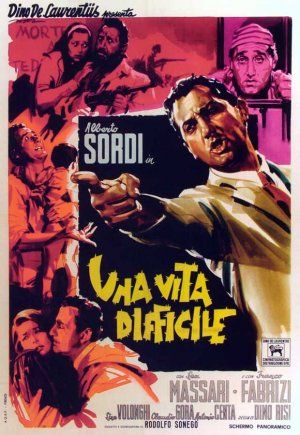
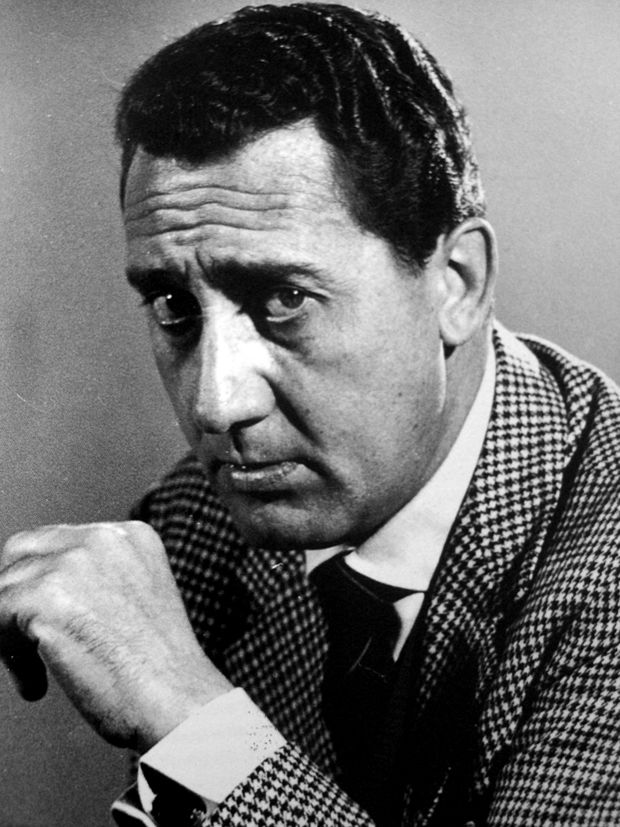
Una vita difficile (A difficult life) is the frustrating, Odyssean tale of Silvio Magnozzi (Alberto Sordi) as he navigates the post-war Italian landscape, trying to balance his partisan ideals against the harsh pragmatism that the poverty-stricken surroundings engender.

Essentially covering the same ground as C'eravamo tanto amati (which we much preferred), Una vita difficile starts with the same nostalgic romance of partisan fighting in WW2. Silvio, suffering from bronchitis as he treks through the Lake Como countryside, narrowly escapes being shot by a Nazi when Elena (Lea Massari), a local girl, kills the Nazi with her iron (whoa). Thus follows their brief three-month affair, after which Silvio flees to join his partisan band and, once the war ends, moves back down to Rome to pick up his pre-war journalism job for a left-wing daily.

A work trip up north reunites Silvio and Elena, who decide to get married. They return to Rome, where they live in borderline starvation. A son is born. Silvio is offered a position which contrasts with his left-wing morals; he refuses. Eventually, his unrestrained idealism lands him in jail, and Elena takes their son back up north.

This basic tension - Silvio's ideals versus cynical reality (often embodied by Elena); the poor, proletarian South of Silvio versus the bourgeois, industrialized North of Elena - is played out throughout the film in a variety of ways.

And all of this stuff was covered in the later, better C'eravamo tanto amati. Certain scenes - the happy crowds following Rome's liberation, the working-class trattorie with the wandering trumpet player - are even identical. Yet while Una vita difficile seems as well-remembered as C'eravamo tanto amati, we prefer the latter. It approaches the same subject with greater grace and more equanimity. Silvio's inability to let go of his idealism (and his indignant righteousness), to the point of driving away his family, is akin to Professor Palumbo's extremes - except Palumbo is articulate, off-kilter, hilarious and a sympathetic caricature. Silvio, instead, alienated us: he seemed an unlikable combination of entitlement and self-pity.

Of course, despite the identical setting, it's a harsher version of the same world that these characters live in, compared to C'eravamo tanto amati. Compare the trattoria scenes: in C'eravamo, the characters struggle by with half-portions, in Vita, they can't even pay for anything and are kicked to the curb. The requisite sell-out scenes, when Silvio succumbs to becoming a vile commendatore's underling, are full of humiliation and corruption. This extreme view just cements Silvio's righteousness, but it doesn't tackle the real issue: what if selling out does lead to a better life? The character of Gianni from C'eravamo also sells out, but his trials and tribulations are largely existential: materially, he is comfortable and happy.

Another reason we didn't particularly enjoy this film is that here, the treatment of women is just terrible. Elena, for however objectively rational and selfless she is (when Silvio implodes, she finds a way to provide a comfortable life for their son), is presented as unimaginative and frosty because she doesn't "get" the cause. Silvio abuses her regularly and, when she leaves him, she is presented as having "abandoned" him.

One of the reasons we love Lina Wertmuller's films so much is that she takes these stereotypes of Italian sexual mores - the frosty northern girl, the lusty southern man - and completely subverts them, most often via Giancarlo Giannini playing an extreme version of southern machismo. Consider, for example, Swept Away, where another left-wing, poverty-stricken southerner humiliates and dominates a bourgeois Milanese ice queen. In Swept Away, that relationship is presented as fundamentally ridiculous: compelling in its absurdity, ultimately false. Una vita difficile, maybe because it was made almost fifteen years earlier, is still earnestly enamored with Silvio's status as a man, from Rome, who is poor.

This is not to say this film isn't good. It's considered a classic, and it is indeed very well-made. The scene when the starving Silvio and Elena are invited into a royal lady's house for dinner while the republic/monarchy referendum results are announced was surreal and powerful, akin to the "lifestyles of the strange and wealthy" scenes from La dolce vita or Signore & signori. It's not a bad film, from a technical point of view. We just don't agree with its underlying philosophy. As the other northern beauty says to the other left-wing Roman in C'eravamo, "You're the first likable Roman that I meet."

<

That being Nino Manfredi, who is indeed very likable and who we'll take over Alberto Sordi any day.

Tuesday, 8 February 2011

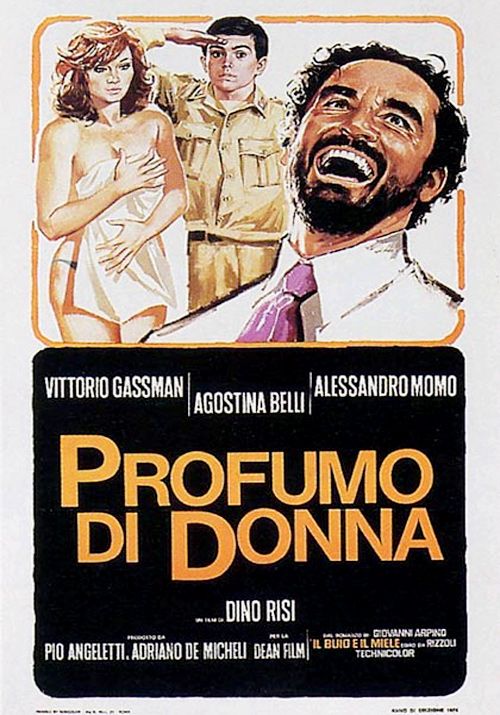
Profumo di donna (1974)


Profumo di donna (Scent of a woman) is a darker, crueler version of the later Americanized adaptation starring Al "HOOAH!" Pacino.

This version - the original - stars Vittorio Gassman as the blind Captain Fausto, a lecherous old goat who travels down the length of the Italian boot, drinking from his flask, heckling his minion - the resentful, boyish Giovanni (Alessandro Momo) - and sniffing the air in search of a "tall blonde with a big ass". While Giovanni huffs and sighs, Captain Fausto wields his cane like a weapon - slashing the air for obstacles or, well, passersby. As Giovanni creeps under Fausto's nose and discovers a pistol and the photo of a girl (Agostina Belli) in the latter's suitcase, their journey down to Naples begins to take on a new, ominous meaning.

While that strange combination of tenderness and raunchiness - "You think I miss seeing the Sistine Chapel?" Fausto shouts. "A big ass! That's what I miss!" - is still present in the Italian version, as is its slightly maudlin conclusion, this version also boasts a much thornier, less likable blind captain and a much frostier relationship between him and Giovanni. The relatively prudish American version - with Al Pacino as the Captain Fausto (now "Frank") and Chris O'Donnell as the Giovanni (now "Charlie") - emphasized the captain's disability as a strange sort of wild wisdom. Through Al Pacino's "HOOAH!"-ing, his classy tango dancing (just to compare, the same scene in the Italian version had Fausto tongue kissing Giovanni's girlfriend and calling her a "whore") and his general vitality, the anemic preppie Chris O'Donnell learns via the rascally blind man to live life to the fullest. Blah blah.

Fausto's quality of societal jester - i.e. his disability places him outside of society's "norm" bounds, and so he is free to break rules and thereby comment on them - is much harsher. And indeed, his hypersexuality, heavy drinking and unvarnished cruelty (think House) seem more like the desperate acts of a very angry man rather than the gentle insights into "really seeing" the world around you. That's not to say the Italian Fausto is any less a Trungpa Rinpoche-style holy fool than the American Frank. Indeed, there's a stunning scene when Fausto asks his priest cousin to bless him - his cousin then admits that he actually envies Fausto his blindness, since that "constant suffering" affords him special status in the eyes of God. He likens him to "the stupid, the ill, the innocent children".

Kind of patronizing, we thought. And kind of interesting, since the entire movie builds up this holy (tom) foolery and then offers that foolery's pearl of wisdom: that life is essentially meaningless suffering, whether you can see or not. Rather than rebelling against that suffering, once Fausto resigns himself to his complete vulnerability (emphasized ghoulishly via a clumsy, exaggerated fall) does he seem to get peace. He stops resisting. (And remember that Faust is the guy who, for ambition and knowledge and worldly stuff, exchanged any chance of everlasting peace with the devil. So this sentimental finale basically unFausts Faust.) Frank's message (apart from "HOOAH!"; did we mention we love that phrase? HOOAH!) seems to be much less existential nothingness and much more "Carpe diem!". Much less Italian, much more American.

Vittorio Gassman disappeared into this role; we could barely recognize him going all Dionysian and such when we knew him so well as a fallen bourgeois. Alessandro Momo and Agostina Belli didn't really register, both were too generically young and pretty. The priest cousin - whoever that actor was - did a great job, but he also had a great scene. Director Dino Risi used light interestingly; often blinding us or filming things in deep shade or at twilight. Great commentary on Italian regionalism, as always (the first scene in Rome has a moped driver scoot by screaming the stereotypical local slang, "Aoh! Ma va' a mori' ammazzato!" ("Go die in a homicide!")).

Tuesday, 25 January 2011

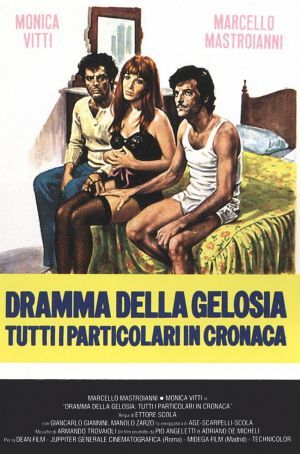
Dramma della gelosia (1970)


First thing's first: we loved Dramma della gelosia (tutti i particolari in cronaca) (Jealousy drama (with all the details), though its international title was The Pizza Triangle). It was everything we loved about Ettore Scola's other masterpiece, C'eravamo tanto amati, coupled with the zany, sexualized, politicized, over-the-top commedia all'italiana story akin to our favorite Lina Wertmuller movies. In other words, the perfect 1970s Italian film.

The story begins with the fidgety, disheveled Oreste (an amazing Marcello Mastroianni) being asked by the police and lawyers how it exactly happened. Aided by a sad-looking Nello (Giancarlo Giannini), Oreste, Nello and an older man reenact the accidental murder of Adelaide (Monica Vitti) - Oreste and Nello's former lover. There's a bittersweet pageantry to watching everything slow down and seeing the absurdity of this very human drama unfold.

The rest of the film makes us retrace the steps - via Rashomon-like courthouse interjections - of when Adelaide the florist and Oreste the bricklayer met, fell in love, and then met Nello the pizza chef, and fell in love with him too. This love triangle, and the three's extremes of ultimatums, aborted polyamory, attempted suicides and - yes - lots of jealousy and hurt feelings, make up the rest of this strange, touching film. In the vein of Ettore Scola's other PPCCed film, there is a heavy air of surreality (lots of fourth-wall breaking) coupled with compassionate humanism. It all seems so silly and forgivable in hindsight. Also, as per C'eravamo tanto amati and Lina Wertmuller's films, the Italian Left is a prominent supporting character, and the downtrodden, working class Oreste and Nello even meet after getting beat up by the police at a march. Like the bourgeois "padrone" in C'eravamo…, the rich Roman is again portrayed as fat, dull-eyed and very ignorant (played here by the hulking Hércules Cortés).

What was interesting about this film - and called to mind Giancarlo Giannini's later golden years in skeezy picaresque tales like Pasqualino Settebellezze and Mi manda Picone - was its high levels of "zozzeria" - that is, scumminess. The setting is Rome, but the city looks disgusting, and the characters frequent dumps, housing projects and ugly highways. Oreste is hounded by an enormous fly, and his entrances are signaled by loud buzzing. He twitches, his hair is greasy and his clothes are mismatched. In one of the most hilarious scenes, Adelaide attempts to list his pros and cons; when she gets to the cons, she admits, "And you're not very hygienic. Remember that one night? You even made a sound." Oreste and Adelaide meet when he falls asleep on a pile of paper and debris. They frolic on a polluted beach, have a picnic at the dump.

The script successfully juggles tenderness with a sharp wit; we found ourselves laughing often, even if it was so sad. And some of the lines were great! Example: when Adelaide first spots Oreste snoozing on a trash heap at a Communist fair (they have those, I guess?), she hops off the swings and goes to wake him with a kiss. They're both a little drunk and unsteady, and when he wakes, he looks at her, thinks for a bit, and says, "You lost a bet." What a first line! Or a wonderful scene when Adelaide seeks the aid of a therapist: "So what's the diagnosis? I'm traumatized, I've had a shock? It's a neurological disorder? Or am I a whore?" The therapist cuts in quickly: "Let's not get into scientific jargon!"

The most impressive of the cast was Marcello Mastroianni, who was playing heavily against type. We wouldn't have believed that Mastroianni would have been able to shed his dashing, Everyman persona to become someone as decrepit and bizarre (and Roman) as Oreste. The details of his performance - the tic around his eyes; his stubbed, broken fingernails; the general air of decay and hobo-ness - was amazing. In fact, we were so amazed that we had to check if he won anything for this; and he did! Best Actor at Cannes!

Giancarlo Giannini, our other favorite, was also playing heavily against type. Whereas he usually occupied the role of the wild-eyed, unhinged and in love laborer (see Wertmuller's Mimi metallurgico ferrito nell'onore), here he was young, upbeat and oddly tween heartthrob-esque. He was also playing a Tuscan, and the accent was awesome.

Monica Vitti's best moments were definitely the swings between carefree, joyous hedonism and the wracks of self-doubt. In fact, the latter almost seemed satirical of typical soap opera femininity (as was much of this film's treatment of sexual mores and gender norms in general). Yet, as with the writing and everything else, even when things bordered on satirical, they never lacked sympathy.

Highly recommended.

Sunday, 12 April 2009

Signore & signori (1966)

(300th post! Arbitrary yay!)


If the north of Italy has a La dolce vita, it is Signore & signori (Ladies & gentlemen). Just as La dolce vita exposed the debauched, immoral (night)life of the Roman bourgeois, Signore & signori does the same for northern Italy - and it uses the same style of vicious satire. A key difference is that, unlike La dolce vita's underlying melancholy, Signore & signori believes the proper response to the outrageous hypocrisy on display is laughter. And indeed, it is very, very funny. Another key difference is that northern Italy has historically been more "bourgeois" than southern Italy - that is, it has been historically richer and more empowered (e.g. Renaissance Venice or the Duchy of Savoy, to the Kingdom of Naples) - so this film could just as easily be set in the 1960s as the 1560s.

Signore & signori is funny in a scathing, dark way. No character is better than any other character, and all of them are pretty awful: selfish, mean-spirited, hedonistic. The film is divided into three distinct sections, each focusing on a particular problem among the bourgeois of a northern Italian city (most likely Treviso). The first story focuses on the loud, over-the-top Dr. Castellan (Gigi Ballista) and his blonde, airhead wife, Noemi (Beba Loncar). On an evening before a major party, one of Castellan's friends, the nervous-looking Gasparini (Alberto Lionello), comes to Castellan in confidentiality with a medical problem: he is impotent. Yet at the party, Castellan repeatedly sets Gasparini up for group mocking, as well as spreading the rumor to everyone (eventually reaching Gasparini's wife, the fearsome moral police lady Ippolita (Olga Villi)). But Castellan is the one being duped when, upon returning home, he finds Gasparini and Noemi together!


(You'll notice that exclamation points, adultery and mean-spirited mockery are themes of this film.) One of the various adulteries.


Like La dolce vita, the Church is shown to be just as morally bankrupt as everyone else!


The second story follows the tall, oafish Osvaldo Bisigato (Gastone Moschin). Bisigato's shrewish, nagging wife complains to him all day, so he typically wears earplugs. His children ignore him, his job in the bank is boring. His only respite from this wearying existence is the cute girl, Milena (Virni Lisi), who works at the coffee shop downstairs. Under the eyes of the gossiping Treviso elite, Bisigato visits Milena every day, eventually beginning a relationship with her. Eventually it all comes crashing down: he leaves his wife and children, provoking the wrath of the Catholic morality police, led by Ippolita; his "friends" begin to send anonymous letters to him insinuating at Milena's moral weaknesses; and everyone in town basically conspires to juice the situation for all it's worth, teasing both Bisigato and his family in their weakest points.


Aldo Puglisi, who plays the only non-Venetian character and only honorable character, the Neopolitan police officer, Mancuso. Question to the PPCC: is Aldo Puglisi the Doppelgänger/lookalike of Ranvir Shorey, or is it just us?!


The third story, by far the most disturbing, follows a gorgeous, young country girl, Alda (Patrizia Valturri), as she comes to town to buy some goods. One by one, the town's bored, womanizing men - from the shoe shop salesman to the pharmacist to Gasparini and Dr. Castellan as well - seduce (rape?) her in exchange for pretty shoes, some headache medicine, and so forth. Prostitution? Rape? The insinuations are not very pretty - and things get even worse, when Alda's enraged, drunken father comes to town, accusing the men of statutory rape: Alda is only 15 years old! The guilty group, meanwhile, panics and - with the help of Ippolita, and therefore the approval of the Catholic morality police - they bribe Alda and her father in order to "save the face of the good town citizens".


The guilty group.


Each outrageous twist in this already over-the-top film is punctuated by loud, silly, 1960s dance music: emphasizing the harshly satirical take on the moral bankruptcy of the Northern provincial elite. It is sometimes very funny (Bisigato's tale in particular), sometimes cringe-worthy (Gasparini's), and sometimes disgusting (the statutory rape case). It is also very broad and very obvious: with slapstick, sight gags and caricatures instead of characters.

That's actually okay. Despite the seediness of the content, and the broad brushstrokes in which it's presented, we really enjoyed this film. It tickled us pink to see the Veneto region - so often ignored by Italian cinema, which is dominated by artists from Rome, Naples and Palermo, stories about the Mafia or Cinecittà, and a particular emphasis on the Southern experience. Signore & signori's characters speak in the thick Venetian dialect, hover around the familiar architecture of the region. The regional setting is important since, as we never tire of saying, Italian culture is dominated by regionalism: there are distinct stereotypes concerning what a Neopolitan looks, sounds and thinks like, as compared to a Roman, Milanese or whatever. It was therefore interesting to read that director Pietro Germi had actually considered casting this film with well-known southerners Marcello Mastroianni and Nino Manfredi (especially baffling since we think Nino Manfredi epitomizes "Roman irony"). The film's regionalism is also fascinating since it shows the relative wealth and moral bankruptcy of the Veneto, as compared to the intense poverty still experienced in Campania, Calabria or Sicily at that time (the 1960s).


The wonderfully handsome Giulio Questi, as the lecherous pharmacist. Giulio Questi went on to win acclaim as a director of ultra-violent spaghetti westerns such as Django, Kill! He also played one of the aristocratic princes in La dolce vita.


The performances and presentation are all fun and frothy and self-consciously horrible. No one plays for any sympathy - these characters are not supposed to be liked. The cinematography, with its lazy, drooping shots of Treviso's Piazze dei Signori (Gentlemen's Square, where much of the action takes place of course!), its spinning cuts and sight gags, also seems "in" on the joke.

Brutal and shamelessly one-dimensional, we definitely recommend this film as yet another examination of Italian regional sociopolitics in the postwar era - after Ladri di biciclette, La dolce vita, Io la conoscevo bene and C'eravamo tanto amati. Will we ever get tired of this genre? Not when the movies about it are so good!

Saturday, 14 March 2009

C'eravamo tanto amati (1974)

This may be obvious to connoisseurs of Italian cinema, but C'eravamo tanto amati (We All Loved Each Other So Much) is really great - who knew! We got it for Christmas, threw it into our Pile O' DVDs, found it months later (today), assumed it was some old school tearjerker and put it in - and what a surprise we got! This was fresh, quirky, self-deprecating, inventive, silly, sweet and intelligent. And many other descriptive words. We loved it!


Stefania Sandrelli and Vittorio Gassman dumping poor ol' Nino Manfredi. Don't worry, Nino, the PPCC will protect and love you.


We at the PPCC, for however much we like Italian films, are really philistines regarding them: we have little sense of history or significance, and only nominally recognize things like neorealismo. We just haven't watched enough Italian cinema critically to make the broad generalizations we're so comfortable making in our Hindi film reviews. But after a film like this one and the recently PPCCed La meglio gioventù, we can only say, Mamma mia, ancora! That's-a one-a SPICY MOVIE! We need-a some-a MORE, please! We want to learn more!

C'eravamo tanto amati - from our uneducated, dominantly Hollywood/Bollywood perspective - was fabulously bizarre. Breaks in the fourth wall, characters addressing the camera and communicating via "internal" spoken monologues, repeated scenes, and an irreverent sense of humor that doesn't even let the attempted suicide of one of the characters make things too grim. That's not to say this film doesn't have heart - it has a sweet, earnest vibe that forgives humans, warts and all, and highlights the ridiculous surreality of our self-made dramas.


"Should I take off my braces?" she asks. His reply: "Uhm... no."


Antonio (Nino Manfredi), Gianni (Vittorio Gassman), and Nicola (Stefano Satta Flores) are old war buddies, former partigiani - AKA guerrilla fighters in the anti-Nazi resistance in Italy during World War II. After the war, during the notoriously hard times of the 1950s, they each struggle to get by. Antonio, an easygoing working class Roman, is a male nurse. One day, he meets and falls in love with the gorgeous, northern Luciana (Stefania Sandrelli). But as soon as he introduces Luciana to his debonair friend, Gianni, he loses her to him. Then she loses Gianni when the latter meanders away, inadvertently becoming trapped by a family of rich, former Fascist "padroni" (owners) and their well-meaning, ignorant daughter Elide (Giovanna Ralli). Once this happens, Luciana quickly moves onto the intellectual, self-aggrandizing Nicola. And so on.

For a film about heartbreak, economic strife and war, it's awfully upbeat. Antonio especially has a particularly self-deprecating wit, often summarizing difficult and complex tragedies with a single, dry Romanism. "Boh," he says at the film's conclusion.

"What does that mean?!" the over-articulate Nicola demands, fuming.

It just means - boh. Whatever. In the face of the ridiculousness of life, Antonio's response - a resigned shrug - seems to be the most sensible.

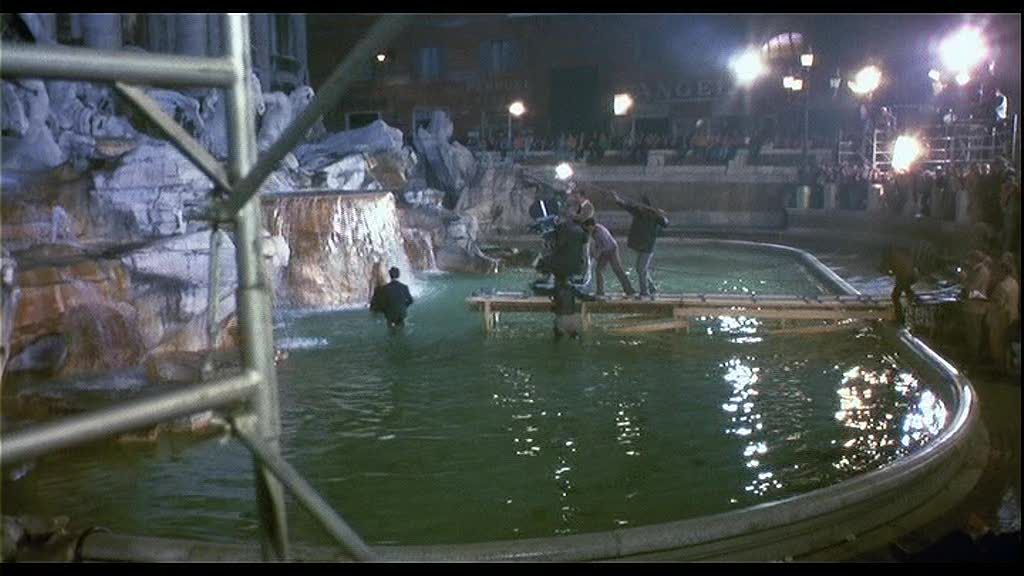
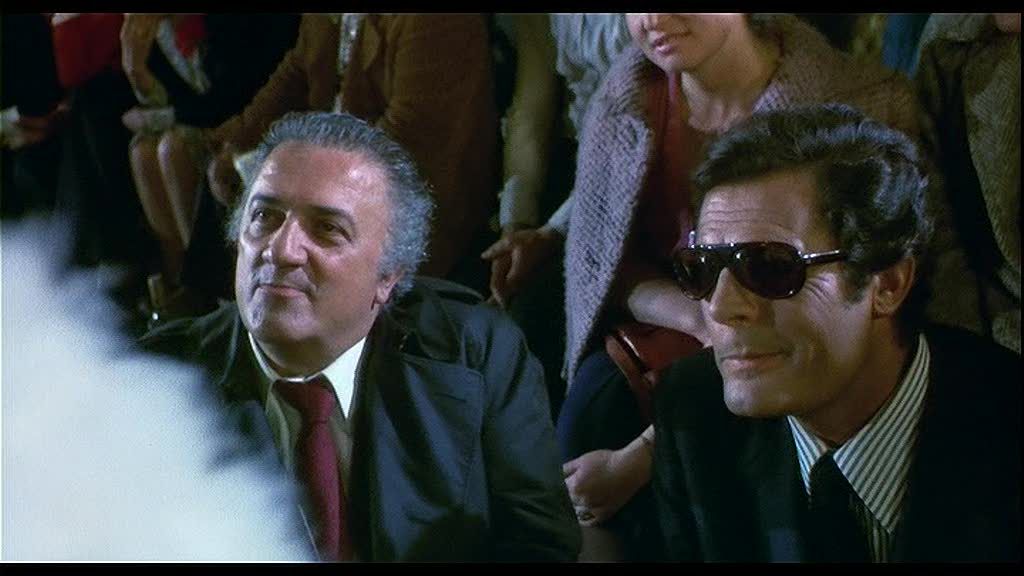
And the film itself is like one big Antonio too - teasing itself and the fashionable Italian cinema which preceded it. This film - which, according to a "citation needed" Wikipedia entry, is the most influential of the commedia all'italiana films - is indeed much more like the later, bizarre tragicomedies of Lina Wertmuller and Giancarlo Giannini. It feels like a conscious break from the dreary gloom of Italian movies from the 1950s and 1960s. There's a running joke throughout the film that only the self-important Nicola fully appreciates Ladri di biciclette (The Bicycle Thieves), a film now renowned as being the Italian neorealist film (after La dolce vita, maybe). Speaking of La dolce vita, there's also a wonderfully bizarre and self-referential sequence when Antonio and Luciana stumble upon the filming of the famous Trevi Fountain scene (complete with great cameos by Federico Fellini and Marcello Mastroianni). It's a film making fun of other films!


OMG, that looks familiar!


Federico Fellini and Marcello Mastroianni playing themselves.


Apart from the fun, lively narrative, we also fell in love with the four principal characters - who were uniformly bumbling and ridiculous. Nino Manfredi was especially lovable as the kindhearted Antonio. There's a very sweet scene when Antonio bumps into Luciana many years after their initial break-up. He notices a little boy hovering around her and, becoming increasingly distracted by the boy and Luciana's hands twirling the boy's hat, he eventually stammers, "Wait, excuse me, is he... is he...?" She nods with a smile. Antonio extends his hand to the boy, "My name is Antonio. What's your name?"

"Luigi," the boy replies.

Antonio turns back to Luciana, voice wavering and eyes tearful, "You named him after my mother's uncle!"


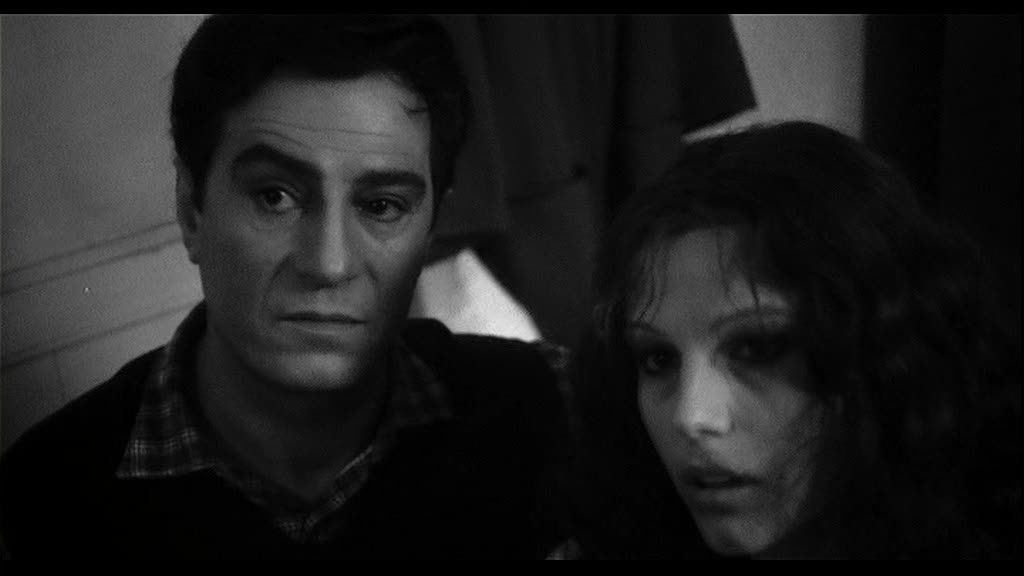
Antonio and Luciana, the early days.


Oh yeah! Mike Bongiorno also makes a cameo, huzzah! We want to be the next Mike Bongiorno.


We can't really find any criticism for this film. We enjoyed every minute of it. This was right up our alley, and we were delighted and captivated. If you too like mildly weird and silly humanistic tragicomedies, this one's a real treat.