Friday, 25 June 2010

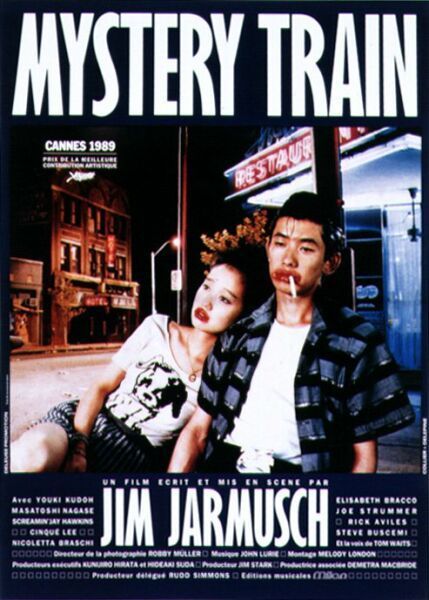
Mystery Train (1991)


Guest blogger Brianosaurus returns with another wacky tale, this time set in Memphis.

Jim Jarmusch has been making indie movies since 1980. That’s at least 15 years before it was cool. In fact, ‘indie’ is the only kind of movie he makes. And he’s damn good at it.

His moody films have a melodramatic, meandering pace. The sets are usually broken-down bits of America inhabited by broken-down bits of people just passing through. We usually only get to see a glimpse of the character’s personalities. Their dialogue is that cracked conversation old friends have on long trips: Lots of looking out the window. Friendly silence. Most directors would run from such long, silent, nothings of a scene. Certainly most studios would! That’s were Jarmusch’s success is born. By working outside major studios for his entire career, he has developed a candor in his storytelling that is unique and yet intimately familiar to us all; it’s just the way we are.

Mystery Train is slightly less bleak than Jarmusch’s other efforts. Set in Memphis, Tennessee, this story follows the unrelated yet intertwined journey of three groups of people. Although these stories are slightly more sequential than, say, Pulp Fiction, you could take that film as a reference. All three of his stories center on an old, seedy hotel in the bad part of Memphis. Most of the story takes place late at night, when "normal" people are in their homes. It’s when the rest of the city, the seedy side, is awake.

The first act, Far From Yokohama, follows two young Japanese lovers on a quest to see Elvis’ home, Graceland, and Sun Studios, where many of the great blues legends made their first recordings.
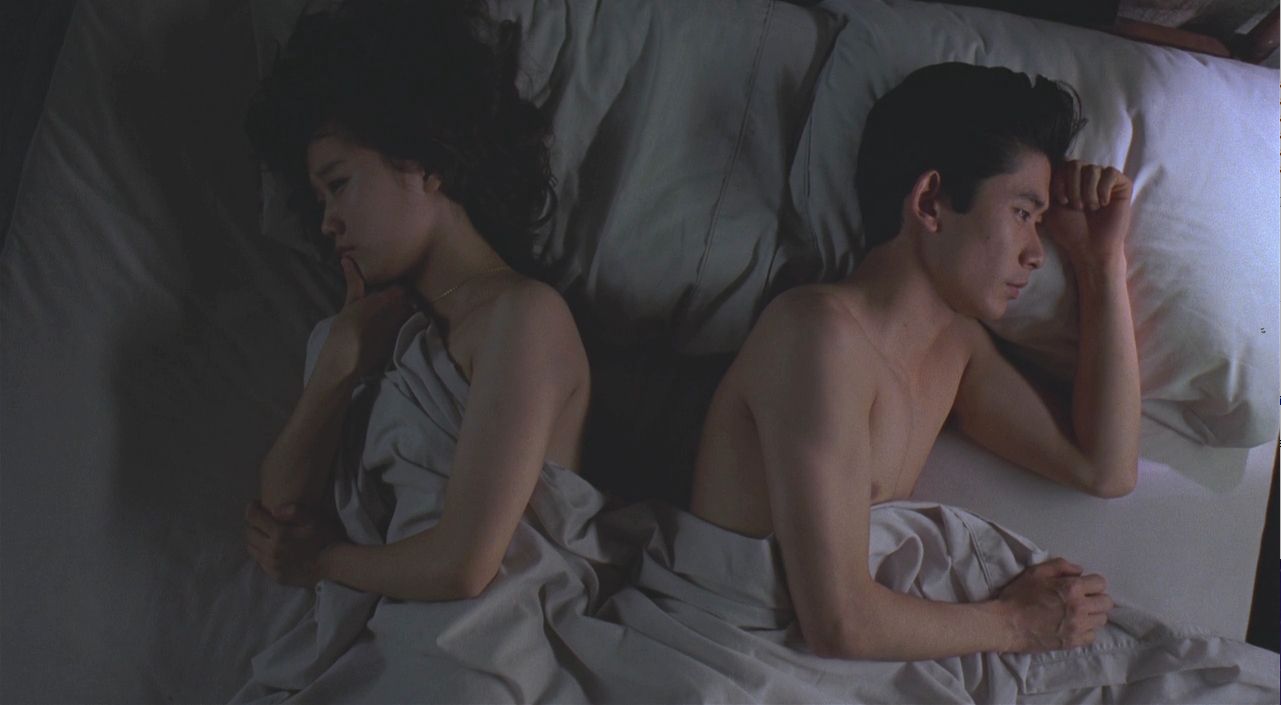

Endlessly happy Mitzuko and her boyfriend, the tiresome stoic, Jun.


Our Japanese travelers, Jun (Masatoshi Nagase) and Mitsuko (Youki Kudoh), can’t seem to agree on anything; what to see first (Sun Studios or Graceland), who’s the best musician (Carl Perkins or Elvis Presley), etc. Despite their differences, it’s Jarmusch’s direction that makes them feel so close to each other, and us so close to them. It’s in the way they walk, sharing the load of their suitcase, keeping step with each other perfectly. The way they work together in simple things like closing the suitcase. It’s in the things unsaid. These two are a pair, no doubt about it. After a quick tour of Sun Studios, they end up at Arcade Hotel, where the film is centered.

The second act, A Ghost, follows Luisa (the always pretty Nicoletta Braschi, Life is Beautiful) as she wanders the streets of Memphis trying to kill time before she catches her flight out of town the next day. Jarmusch gives us a brief introduction to Luisa, and it’s enough to propel her character’s innocent journey through the nighttime streets.


“Elvis Presley?”


Luisa also eventually winds up at Arcade Hotel. After bumping into Dee Dee (Elizabeth Bracco), another lone traveler, on her way to the hotel, she ends up sharing a room with her. It’s here in this room where she has the encounter that gives name to this act.
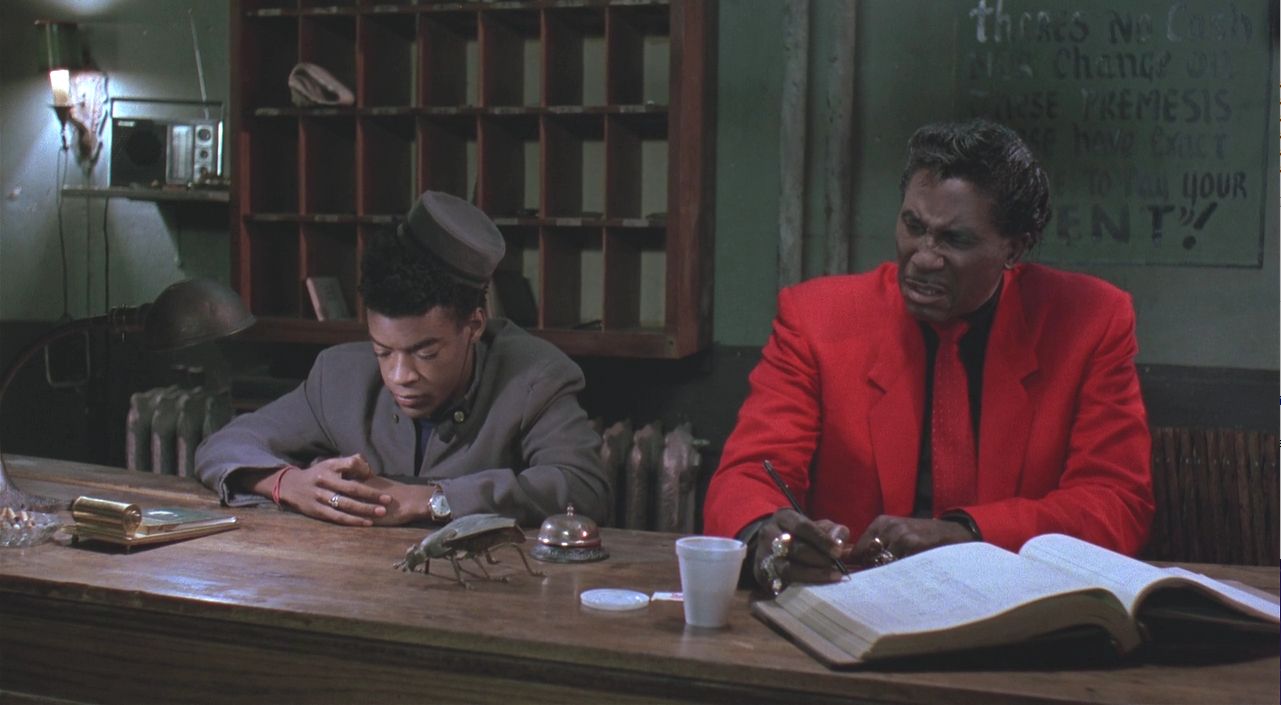

“Jiffy Squid?” Cinqué Lee and Screamin’ Jay Hawkins play Bellboy and Nightclerk of the Arcade Hotel.


The last act, Lost in Space, is by far the most melodramatic. It follows the night of three men, Johhny, Will Robinson and Charlie the Barber (Joe Strummer, Rick Aviles and Steve Buscemi respectively). Will and Charlie try to keep Johnny (nicknamed Elvis) under control after he loses his job and breaks up with his girlfriend, Dee Dee. They fail and Johnny needlessly shoots a liquor store clerk. The guys ride around town trying to figure out what to do before ending up at Arcade Hotel to lay low.
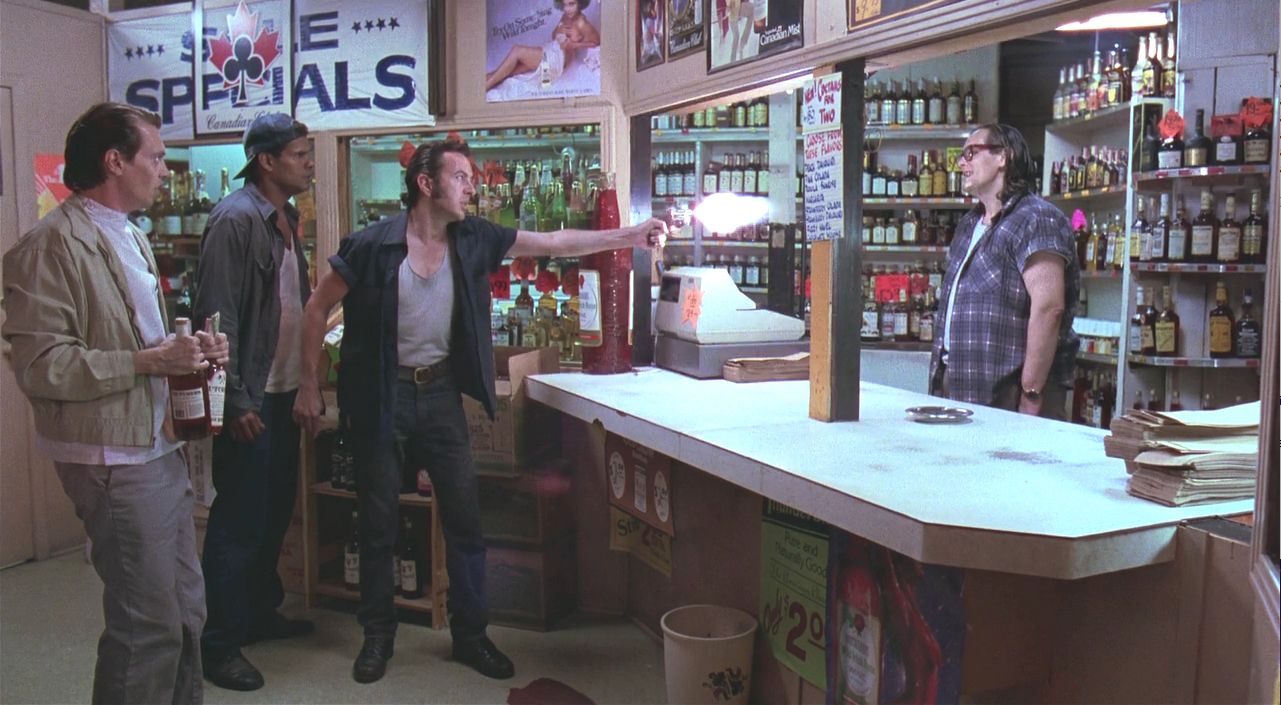

Danger Will Robinson!


Although each act is thematically different from the next, Jarmusch does an excellent job tying them all together with the Hotel Staff (Lee and Hawkins are fantastic) and with a synchronous DJ (Tom Waits) spinning late nights tracks heard throughout the film. Each story is its own thing; yet tied to the next just enough to carry us through. The middle act, A Ghost, carries slightly less weight than the other two, but gives a bit of whimsicality to an otherwise bleak film.

The music of Memphis is like another character in the film. Classic tracks are performed by Elvis, Junior Parker, Roy Orbison and Otis Redding. These men are the soul of Memphis and lend their story to Jarmusch’s. Original music composed by John Lurie (another Jarmusch veteran) is also very good.

Mystery Train fits nicely into Jim Jarmusch’s record of pleasantly melodramatic indie films. It’s a wonderful film and another intimate look at the lives of travelers and strangers as they cross paths on the streets of broken-down America. Recommended.

**If you want to know more about Jim Jarmusch, John Lurie and Tom Waits, I suggest you have a look at Fishing With John!

Tuesday, 22 June 2010

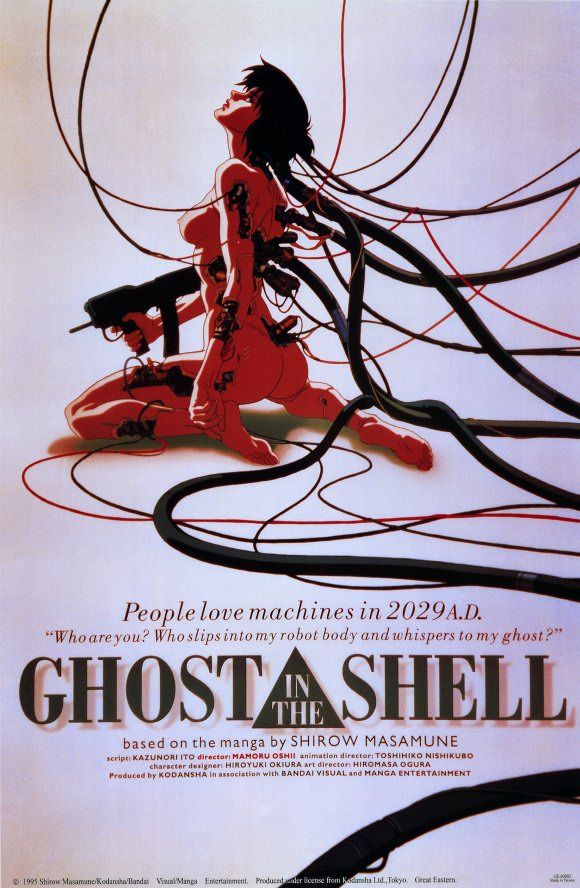
Ghost in the Shell (1995)


Ghost in the Shell blasts onto the screen with haunting, Melanesian-esque choral music, post-human spinal tubing and lots and lots of arching breasts. We were kind of terrified in the first few minutes, but eventually settled down to really enjoy this innovative, brilliant, bizarre cyberpunk anime.

They say there are no new stories to tell, but surely all that 1980s early Internet sci-fi and Singularity stuff was new! Designing our own evolution for a transhuman future, etc. Because while Ghost in the Shell is talking about ancient Descartesian problems of defining consciousness in a world of epistemological doubt, it's also approaching those 17th-century questions with very 21st-century post-human answers. In particular, in a world of networked computers and biological augmentations, the division between meatspace and cyberspace is blurred. And this redefines everything - as Battlestar Galactica's philosophizing Cylon, Caprica Six, put it: "Are you alive? Prove it." Because, for all you know, you're a machine brain living in a virtual reality. Everyone thinks they're human.

Major Motoko Kusanagi (voiced by Atsuko Tanaka), she of the arching breasts which we will be seeing a lot of throughout the film, is a fully cyborg, detective-type badass killing machine (literally). She works for the Japanese government's Section 9, a sort of cyberpunk police squad. Their current target is the criminal hacker, the Puppet Master, who hacks into people's "ghosts" - that is, their consciousnesses, which these days are often embedded in brains permanently connected to the Internet. The Puppet Master's motives are nebulous, and some havoc is wreaked on the garrish, dilapidated, rainy downtown streets. That is, until a rogue cyborg claiming to be housing its own ghost appears. And then everything - especially the definition of life - is thrown into question.

But not before we squeeze in some evocative, meditative sequences. Even in moments of crisis, such as during a high-tech/high-speed car chase across nighttime Tokyo, director Mamoru Oshii slows the emotional pace down with somber, spacey music and lingering shots on the details of this very strange, brave new world. Though there are some grisly moments of violence (is this rated R? it should be!), the tone of the film is more cerebral than action-oriented. Characters often spend their time expositing the themes and ideas. This is excusable as they are running an investigation, and so explaining things to each other makes sense. It's also excusable because those ideas - do you grant human rights to a thinking machine? how did that ghost appear? - are so clever.

We really enjoyed it. We liked that, while there is the token human male character (sporting some very 1980s hair and shoulder pads indeed!), the film is brave enough to keep our focus on the non-human female protagonist, Motoko. Motoko's existential angst is resonant. It feels real (point of the movie, maybe?). When she talks about how being some biomachine superlady with access to infinite bits of data only makes her realize her limitations, we were moved. Oh, Pinocchio! Or as Rudyard Kipling once said, in a quote which has already been pilfered by sci-fi people for post-human themes, "Let them fall, Mowgli. They are only tears."

Is this THE cyberpunk movie of all time? Can it be topped?! We don't think so. It's more cyberpunky and smart than the oft-cited Father of the genre, Blade Runner! Highly recommended.

Sunday, 20 June 2010

Pioneer One: season 1, episode 1 (2010)


Pre-Internet business models are quickly becoming outdated in today's networked world, where data can be copied and transferred at near-zero marginal cost. Anti-piracy campaigns try to liken downloading movies to walking out of a store with a DVD: you'd never have the guts to do it in "real" life, so why are you so brave online? But this is a false comparison. You might feel a little more gutsy if you could walk out of the store and leave an identical copy behind.


No Macs in space?


So. Pioneer One is a torrent-only sci-fi show which premiered for download a few days ago. You can download the first episode here and, if you like it, donate to the cause. Wethinks a substantial portion of the Pioneer One's target audience will just be happy to stick it to the man, and put their money where their fingers type. That's all fine. As Cory Doctorow and Rudy Rucker and Radiohead have shown, good content pays for itself. In the uber-democratic Internet, you don't need the advertising campaign. Let content speak for itself, become viral, and voila! Fame and fortune. Sort of.

Unfortunately, Pioneer One's content doesn't measure up.

Beginning with grainy, handheld shots and a mumbling, thoughtful overture reminiscent of the voiceover in Primer (an indie sci-fi flick that worked), Pioneer One takes place in Helena, Montana, where a piece of space junk has just fallen from the sky and given everyone radiation poisoning. The Feds - scruffy Tom Taylor (James Rich) and angular Sophie Larson (Alexandra Blatt) - show up and, after retrieving a severely malnourished man from the space pod, realize that they've stumbled onto something very weird indeed. As Soviet cosmonaut helmets, cancer and secret Cold War space programs are unveiled, the episode ends with a big revelation and cliffhanger.


Her.


Him.


Them.


The filmmaking is amateur indie, with shaky cameras and shaky acting. That's forgivable. What's less forgivable is the tired writing and trite story. We're trying to break down outdated business models and reinvent media and culture... with a pair of rehashed Mulder and Scully drones stumbling into the plot of Stranger in a Strange Land? It's cliché after cliché - from the designer stubble of the weary, cynical Fed agent, to the perfect make-up and witty 1950s rom-com banter of his assistant (and yes, what is she but his assistant?). "The best and the brightest. Which one were you?" she asks. Come on, people! Secret government programs regurgitated from the Cold War? Bland, unimaginative jokes? Let me guess: does Tom Taylor have a drinking problem? And really: is a female protagonist so mind-bogglingly weird?
We hate to say this, because we agree with the idea of it: new stories for a new medium, made in a new way. But this just doesn't cut it. We've already seen this story done by Hollywood; yes, we had to pay the man. Why would we want to see it again now? It's regressive content in a progressive package.

If you want to see innovative, non-Hollywood sci-fi, take a look at Primer. Primer's budget was $7000, and it managed to shake things up and become a new cult classic. Pioneer One's first episode budget was $6000, and it was about as exciting as a mediocre X-Files fanfiction (without the sex!). If you want to give your money to the alt culture, support the underground and stick it to the man, we'd recommend you join the crowds on the Cory Doctorow bandwagon or check out Therefore, Repent!. Skip this one instead.

Thursday, 17 June 2010

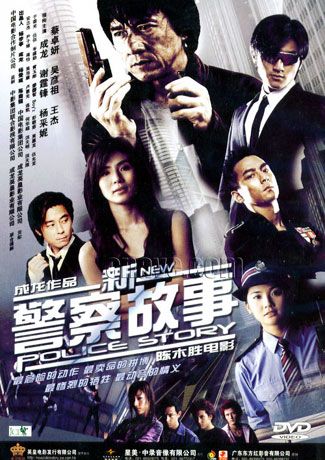
Xin jing cha gu shi (2004)


Now that Jackie Chan's getting older, he's going for the darker, more serious characters. We remember seeing - with shock! - the grizzled, unhappy Jackie of The Shinjuku Incident in those grim trailers. Could our favorite kung fu muppet - he of the bubbly hopping around, bumbling martial arts, he the happy drunk - pull off serious?

Well, sort of.

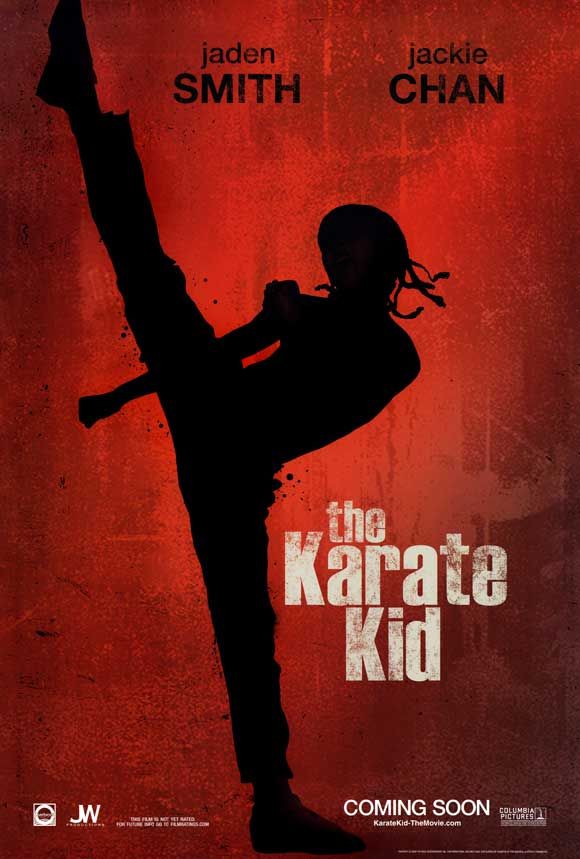
2010's The Karate Kid is one example, and 2004's Xin jing cha gu shi (New Police Story) is another. Both are pretty good, if not the usual roundhouse double-jab madness and the reason we like Jackie Chan in the first place.


Appropriate color, since Jackie will be in some serious mourning for most of this film.


But what movie does THIS guy think he's in?!


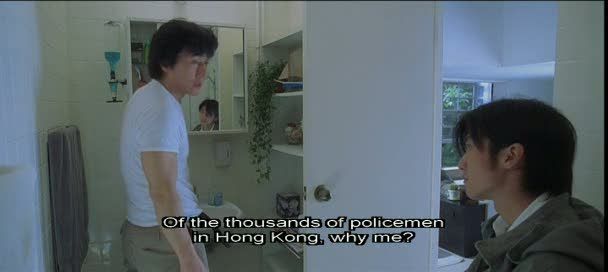
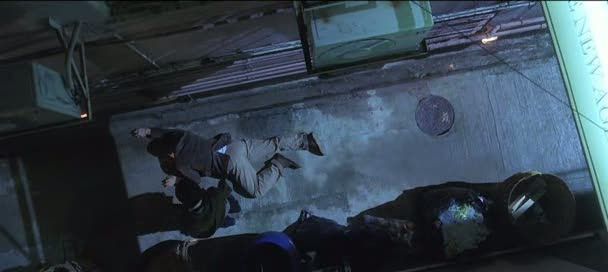
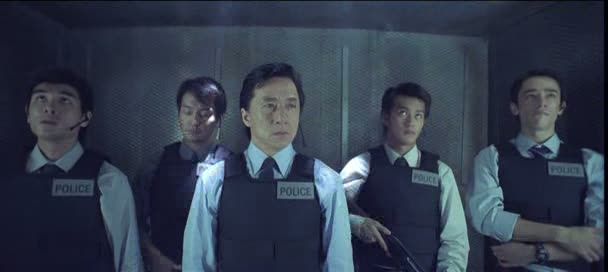
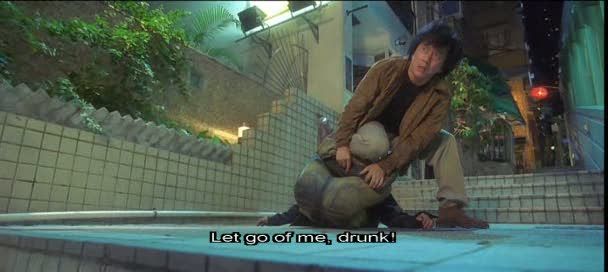
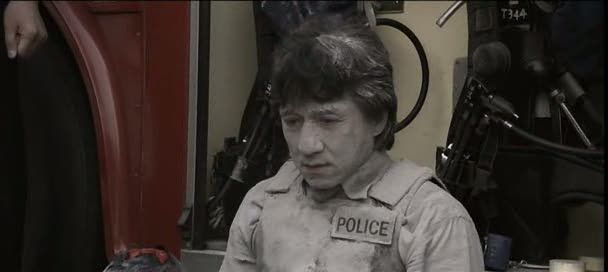
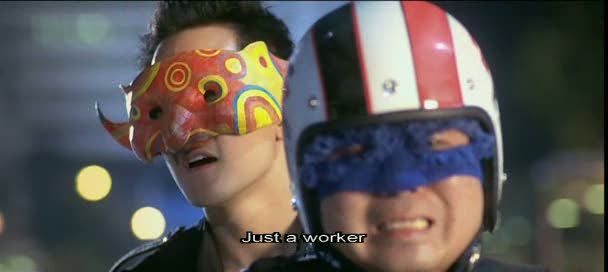
New Police Story - a continuation of the highly popular 1980s Police Story films - finds Senior Inspector Chan Kwok-Wing (Jackie Chan) drowning his very evident sorrows into shot after shot of liquor. After collapsing into his own vomit in a nearby alley, we're treated to an extended explanatory flashback: Back in the day, Chan was an upright and noble police officer, everyone's buddy, a leader, and about to get engaged with the pretty Ho-Yee (Charlie Yeung). But then all his plans were ruined at the hands of a gang of infantile, animal mask-wearing video game sadists, who - driven by their passionate cop-hate - killed every single member of Chan's team, slowly and painfully (and often embarrassingly), in an elaborate Doom-style reality RPG thing.

Since then, Chan has been unable to forgive himself. Alienated from the force and his ladyfriend, he nows spends his nights boozing and his days recovering... for more boozing. Until, of course, a bouncy muppet named Frank (Nicholas Tse) pops into his life.


Of all the gin joints!


Okay, maybe a little too much gin.


Frank makes Kermit the Frog look somber and morose, and his complete inability to JUST CALM DOWN initially irritates, well, everyone. Frank hero-worships Chan and is all about fixing his life, both romantic and professional. And, well, emotional. And because Hyper Kermit and the gamers are cut from the same cloth - the one kept aside for MAN-CHILD - it all works out in the end.

The problem with this movie is twofold. Fold one is: everyone seems to have radically different ideas about the type of film they're making, and for this reason, we have to endure a wild ride of mismatched tones. Is it an Infernal Affairs-type cop tragedy? Or is it a Saturday morning action cartoon? Jackie seems to think the former, while the actors playing the villains, the girlfriend and the buddy, think the latter. As does the director, really, what with his whiplash-inducing swoosh cuts and so on. It's hard to get a grip on this, hard to build up an emotional investment - since the emotional core of the movie, Jackie's grief over all his buddies, doesn't really work. The villains are just too ridiculous.


Guns?! What about some furious fists?!


Argh, are you gonna let him talk to you like that?


Fold two of the problem is that the kung fu is very toned down. It's not Shanghai Noon-toned down, where it's hardly recognizable as martial arts at all, but the fights are slower and shorter than, say, the visual extravaganzas of Drunken Master 2. Jackie Chan has incredible talent when it comes to physical expression, and he usually uses this for clownish, exciting stunts. Get his character drunk and voila! Fun! New Police Story's fight scenes are, ironically, much more sober and, well, boring. Apart from a chaotic romp on a careening, out-of-control bus (reminiscent of the bit in Blues Brothers), or a very long plug for Lego (okay, we love Lego too), there's not much to feast the kung fu lover's eyes on. Alas.

In short: Jackie Chan is cool. Hong Kong is cool. This movie isn't very cool.

Monday, 14 June 2010

The Karate Kid (2010)


everybody was
kung fu fighting. those cats
were fast as lightning.

bow-legged jackie
in need of a hug (or two)
ass kicks sparingly

jadan smith, munchkin
of doom, he will rain kung fu
hell-fire on all you

1980s chic
nostalgia-thick revival
happy on, sad off

grade: A

Friday, 11 June 2010

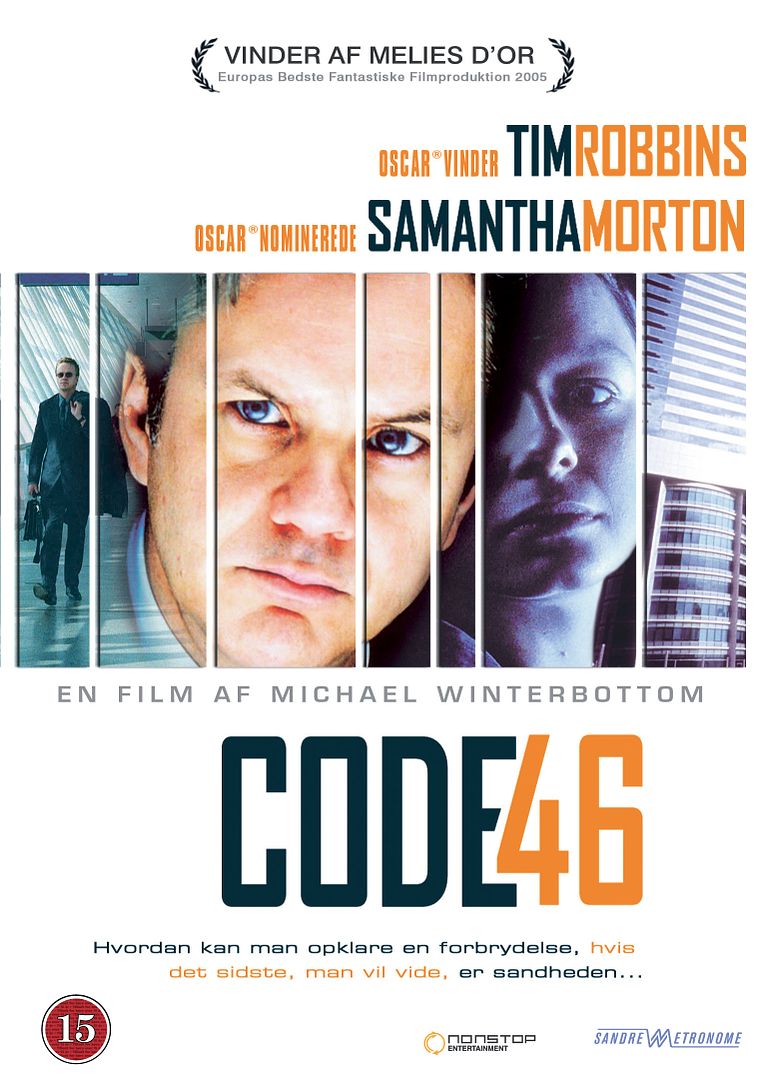
Code 46 (2003)


Code 46, the troubling, moody dystopian romance, initially charmed us, then baffled us, then kinda freaked us out, and then surprised us (Coldplay? Really?). But we are so terribly partial to dystopias filmed in atmospheric indie fuzz that we could overlook even the uncomfortable Oedipal kinks and the too-mainstream pop bookend: we liked it.

Kind of like the (incestuous!) love child between Blade Runner and Eternal Sunshine of the Spotless Mind, Code 46 is about love in the time of being almost-post-human. The film pushes special PPCC buttons by also being post-colonial: it acknowledges the Rest of the World, and what its position would be in a freaky future. But best of all: it's just a sweet, heady, doomed romance full of brooding darkness and two very weird people.


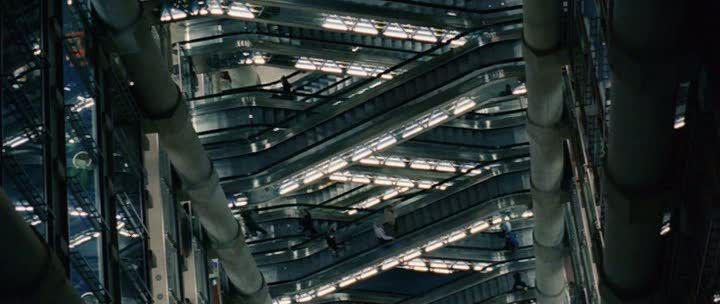
Some scene setting.


Living in an Escher world (where are Godel and Bach?!).


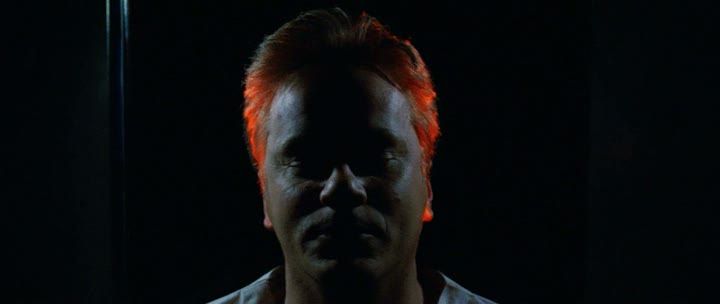
William (Tim Robbins, who is apparently a giant) is - like all good dystopian anti-heroes - a bureaucratic drone. This drone's particular job is investigating "papelles" fraud. The world has been divided into the Inside - buzzing metropolises full of light, drugs and technology - and the Outside - underdeveloped, poverty-stricken deserts. Movement across this so-familiar-it's-alien world is heavily controlled, and you need "papelles" to get anywhere. Interestingly, the axis of geopolitical influence has shifted from the Atlantic to the Indian Ocean - most characters circle around India, the Middle East and China.


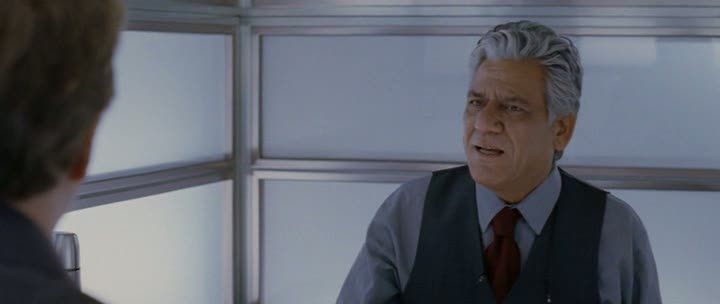
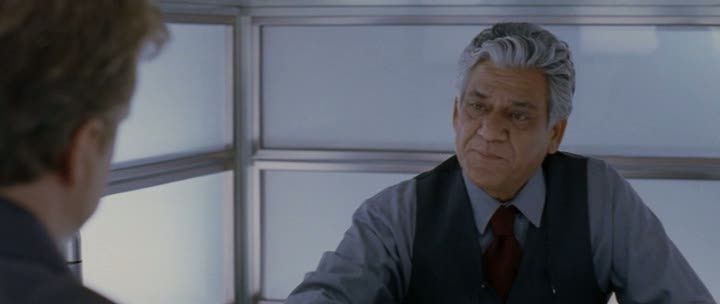
Let the Om Puri Lovefest begin! We love you, Om Puri!


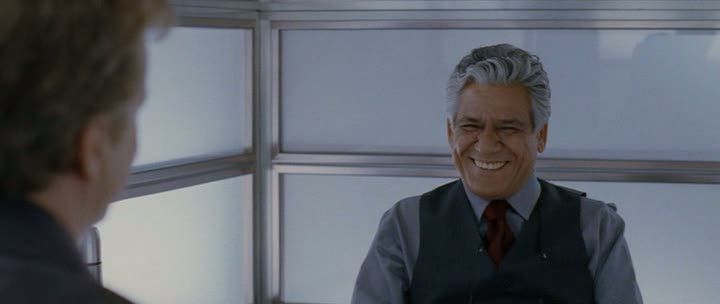
You're so cute and great, Om Puri!


Oh, Omnomnom Puri!


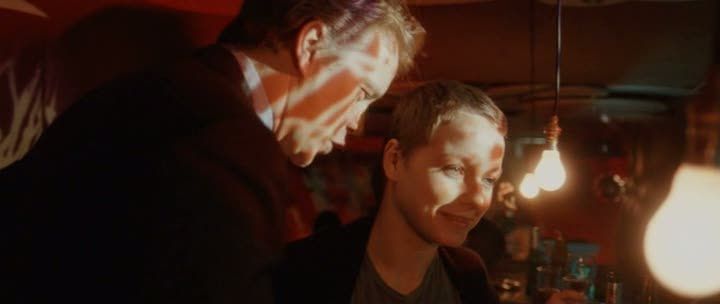
William has now been sent to Shanghai (looking remarkably like Hong Kong) to investigate a possible fraud at the large Sphinx company. While the anxious manager (Om Puri!!!) is eager to keep things quiet, William - tripping, William Gibson-style, on an "empathy virus" that spikes his intuition - easily identifies the culprit using only one, quick meeting with all the employees. That culprit, unfortunately, is the sexy, alluring Maria Gonzalez (Samantha Morton, still in Minority Report buzzcut mode). Maria is so totally awesome that William has some other, less attractive person arrested (whose only line announces that he was born in Hyderabad!), then follows her into a karaoke club where Mick Jones sings Clash songs. And so begins their very inappropriate, kinda gross but also fascinating romance.
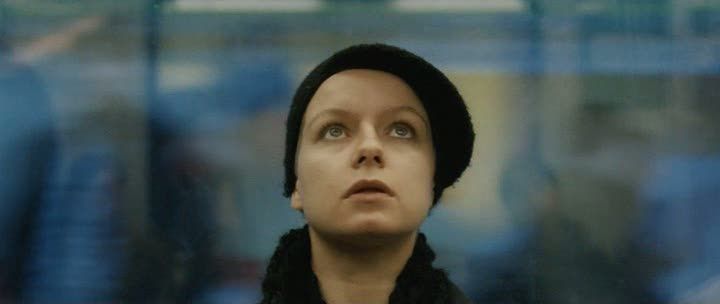

Her.


Him.


Them.


It's been a long time since we've seen a believable future presented, but Code 46 was the most evocative, grimy and convincing future since Gateway. Everyone speaks a babel of world languages - their chatter is peppered with Spanish, Italian, Urdu, Arabic and Mandarin. Familiar cities - Hong Kong, Shanghai, Seattle, Delhi (?) - are filmed in ways which render them otherworldly. The whole territory is strange, yet its links to our present are easily traceable. The whole film's look is very mysterious and beautiful.
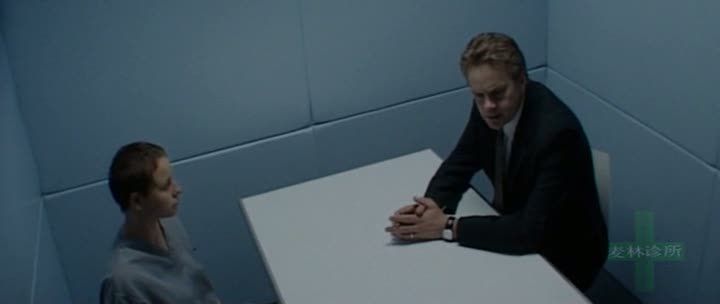
Big Brother is watching you. As usual.


This sort of story also encourages us to THINK in capital letters, and it does raise some interesting questions about gene pools, designer babies and the "Third World". But we were much more refreshed by the interpretation of this as an updated Greek tragedy, full of yearning and elliptical consciousness and DOOM in capital letters (also). It is forbidden love at its most primal, and the modern spin to the tragedy is that it was technological drive which set William and Maria up for their Sophocles-and-Aeschylus-style fall. Are all dystopias cautionary fables with a Luddite bent? Maybe. But only some of them are as classy (and classical) as this one, and even fewer let the softest of human emotions take center stage.

Thursday, 10 June 2010

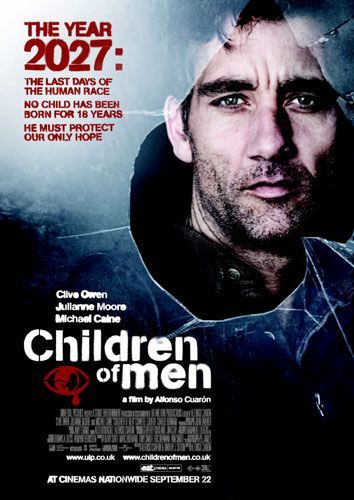
Children of Men (2006)


Back when Children of Men came out, a lot of people took it as an incoherent parable for the modern day problems of Guantanamo and Abu Ghraib; Western paranoia of encroaching terrorist agendas leading to a Big Brother lockdown, etc. We were surprised that what we considered to be the driving symbolism of the movie - that is, orthodox Christianity - was instead downplayed or ignored completely. Did no one get it!?

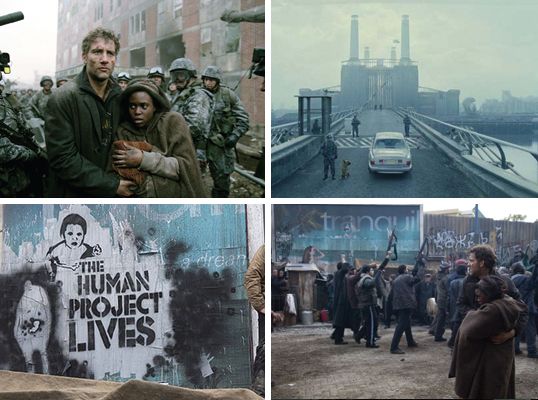
The year is 2027 and Britain is a dark, crummy dystopia that no one likes. It's still better than the Rest of the World, which lies in literal ruins - fire, rubble, AK-47s. "Fugees" - i.e. non-British - are detained in filthy prison colonies on the southern coast of England, and meanwhile a terrorist organization calling itself the "Fishes" is planting bombs in downtown London coffee shops. What a mess.


Various scenes of wreck and ruin and... Bansky?


But the main problem is humanity's sterility. For 18 years, not a single baby has been born. The film opens then on Theo (Clive Owen), a rumpled bureaucratic drone, never too far from some liquor, who lives a wretched half-life in this childless purgatory. One day, Theo is contacted by his former flame, Julian (Julianne Moore), who asks him for some rare "transit papers" to help a friend get off the isle (and the Casablanca bell goes CLANG! hooray!). Theo reluctantly agrees to help, even though Julian is mixed up with the Fishes and their charismatic (well, we think so) leader, Luke (Chiwetel Ejiofor, always great). Of all the gin joints! Theo is then shocked to learn that Julian and the Fishes are secretly protecting none other than the World's Only Pregnant Woman, Kee (Clare Hope-Ashitey), who is in her eighth month (she thinks - everyone's sort of forgotten how this pregnancy thing works). Theo, Julian and the Fishes are now all competing to help Key get to the "Human Project" - a rumored Eden where humans aren't stuffing each other's heads into black bags and pushing them into detention centers. Insert also one extremely off-the-grid, pot-growing, old hippie Jasper (Michael Caine, always lovable) and shake well.


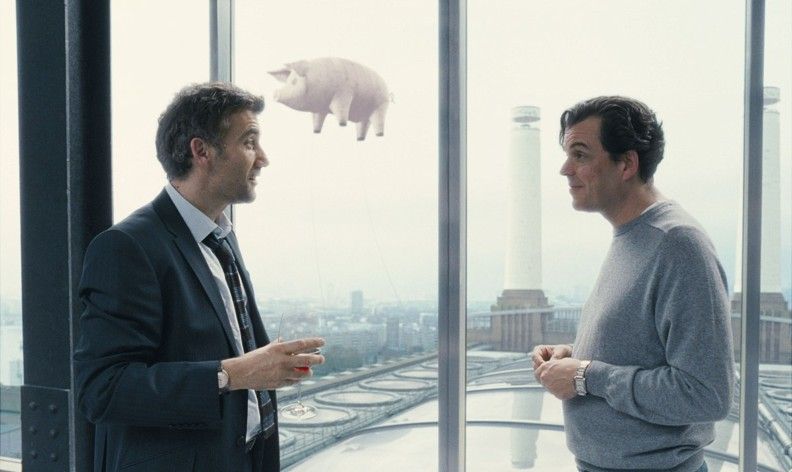
Clive Owen and Danny Huston, in a brilliant "brick in the wall" scene. We're starting to think no one on Earth appreciates Danny Huston the way we do. The man is AMAZING. Just watch The Proposition and you'll see.


Much of the film is, as you would expect, an exercise in dystopian misery. The tone is perpetually bleak, and the slightest levity is only the cynical, sarcastic kind. This film is also very self-aware; i.e. it knows its roots. For example, a brilliant scene featuring the brilliant and underrated Danny Huston as a "Noah of the arts", living alone with his deranged 20something son in a revamped Tate Modern, manages to throw in a Pink Floyd cover. And there are the obvious allusions to 1984 or Brave New World, what with the government-approved suicide rations and overbearing bureaucracy.
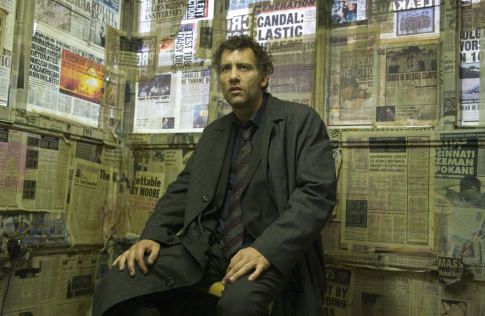
But the film is mostly about the Bible. We think. This is a very classical, orthodox Christian story, stuffed full of allusions: Theo, underground fish and miracle babies. Director Alfonso Cuarón is only using these Abu Ghraib-type aesthetics in the same way he uses the 1970s acid rock (King Crimson!): as a familiar, modern idiom to get across a very ancient story of miracle and saviors. When Kee reveals her pregnancy to Theo, she's in a manger. Theo's last words in the film are, "Oh, Jesus." Danny Huston's character could be Pilate. And one of Jesus' titles was the Son of Man - just pluralfy that and you get the title. Indeed, it's a very fun story to pick apart, as the Christian symbols are layered everywhere. Personally, we felt like Indy at the end of The Last Crusade (remember: there is no "J" in Greek).


Ahem, "Theo", meets the, ahem, "Fishes".


Another notable feature about this film is Cuarón's use of really, REALLY long takes. There are three in particular, each lasting as much as ten minutes (!). That's ten minutes of a single shot. The most impressive of these, by far, is the one in the car. This is an early climax in the film, and it begins when Theo wakes up from a nap, the camera slowly zooming out from him. Watch out for it. The entire thing is filmed on a single camera, spinning deliriously within a cramped, cluttered car. And from that single shot, we manage to witness the build-up, climax and after-effects of a chaotic action piece. It's a testament to everyone involved - Cuarón and the actors, especially - for making such an impressive, uninterrupted piece of movie magic.

Oh yeah, and it's based on a (waay more obviously Christiany) book by P.D. James.

Wednesday, 9 June 2010

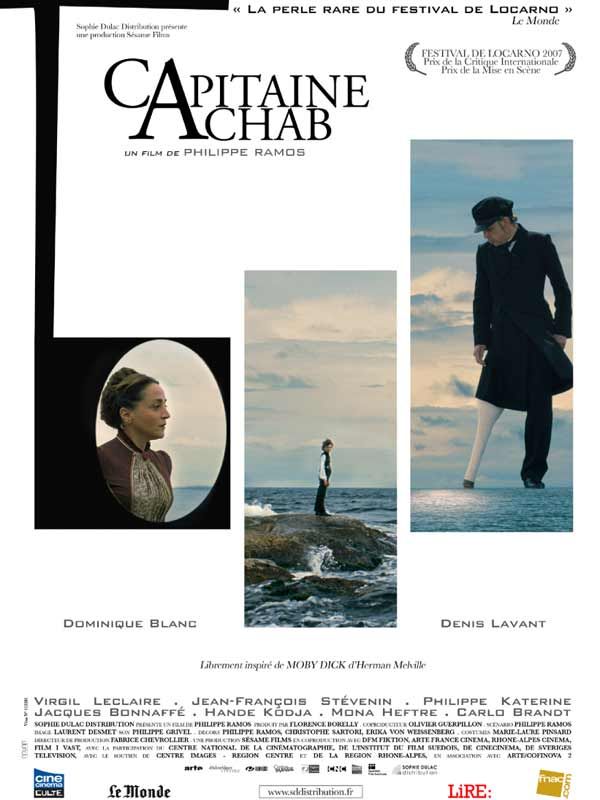
Capitaine Achab (2007)


Capitaine Achab is a total snooze during the childhood scenes, but totally picks up when the titular character grows up, loses his leg and is played by the short, demon-like Denis Lavant.

We want to call this film "weird" because... well, because we can't think of any other description for it. It was completely bewildering, and, even worse, not intentionally so. Part of this is our fault: we are so ignorant we had no idea Moby Dick even takes place in America, so when the French characters started saying "Nawn-too-kett" and "Zjhonneee LarhSON", we went, "Waiwaiwait, they're in the US?!" Laugh at us, if you must. But some of the blame also lies with the filmmakers, who give us such a slippery, elusive story (much like an albino sperm whale!) that we had a lot of trouble figuring out its tone. With the random shots of genitalia interspersed with meditative voiceovers over the nature of wandering eggs (uh, chicken eggs) mixed up with stock footage of whale harpooning, periscope-style camerawork and Tim Buckley covers... man, what is going on here!?

The story is told in five distinct chapters. At the beginning of each chapter, we learn the narrator's name - Ahab's grizzled dad (Jean-François Stévenin), his pious aunt (Mona Heftre), Mulligan the stoic priest (Carlo Brandt), Anna the lover (Dominique Blanc), and finally Starbuck the First Mate (Jacques Bonnaffé). Each chapter is, we suppose, meant to illustrate a particular characteristic of Ahab's - how he picked up his legendary single-mindedness, obsessive determination, you know, the whale thing. But none of it is really interesting until we get to the adult Ahab, with his craggy, angry visage and whale bone stump for a leg, and then the payoff for that long, boring backstory is pretty awesome. If the story had followed just the adult Ahab, we would have been well chuffed. But then, we guess that would have just been the book.


Hot hearts, mortar chests and whale bone legs.


Because Denis Lavant is a rollicking good Ahab, compelling and unstable where the child Ahab - Virgil Leclaire - was just blandly cute. You can't really get behind the child Ahab, even if the narrator (Mulligan, in this scene) is calling him a "four-foot ten-year-old little badass" (okay, we paraphrase, it was more like "le petite badass"). But you can definitely get behind Lavant's Ahab, with his squirrelly, sinister energy. Beware, that man is a badass.

So: a very lopsided movie, with random moments of awesomeness spiking out of a sea of weird. Featuring also a large white whale and NO ONE says, "Thar she blows!" (Alas.)

And now, if you've never read Moby Dick but kinda want to now that you saw such a compelling performance of Ahab, in other words, if you feel like us today, join us in admiring this excellent passage about Ahab from the book (freely lifted from Wiki):
All that most maddens and torments; all that stirs up the lees of things; all truth with malice in it; all that cracks the sinews and cakes the brain; all the subtle demonisms of life and thought; all evil, to crazy Ahab, were visibly personified, and made practically assailable in Moby-Dick. He piled upon the whale's white hump the sum of all the general rage and hate felt by his whole race from Adam down; and then, as if his chest had been a mortar, he burst his hot heart's shell upon it.
Goosebumps, people!

The trailer, since we can't find the DVD.

Tuesday, 8 June 2010

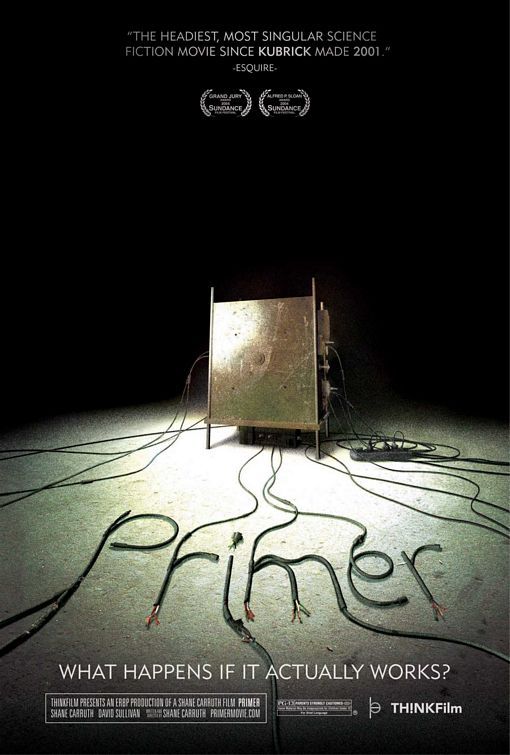
Primer (2004)


As whoever narrates the English version of Hyderabad's Birla Planetarium show says in that magnificent way of his, some things are just "mind... BOGGLING."

One of those things is Primer. Yes! It was/is/will be Time Travel Weekend at the PPCC! Except Primer's really good.

Made on a shoestring budget by unknown mathematician/engineer Shane Carruth, Primer is a Blair Witch-style (forgive us the comparison!) low-fi look at some young engineer-hobbyists who manage to accidentally build a coffin-like time machine, which they call "the box". While initially driven by patents and cash and maybe fantasies of Bill Gates-style Nirvana, the two buddies, Aaron (Shane Carruth) and Abe (David Sullivan), quickly fall into a tangle of mind-melting paradoxes, as they accidentally and intentionally manufacture timelines, copies of themselves, stock market scams and basically try to out-Groundhog Day each other. As one character notes, "The permutations were endless."

The film, shot like a homemade video or particularly scratchy episode of Cops, has little use for the usual cinematic devices. Actors mumble, wander and speak in tecchy jargon which often means all of nothing to the viewer. The film also flutters back and forth and around the timeline, so that we never quite understand which "version" of which day we're watching. This was apparently done intentionally to heighten the sense of confusion Aaron and Abe experience as they tumble further and further into the rabbit's hole box.

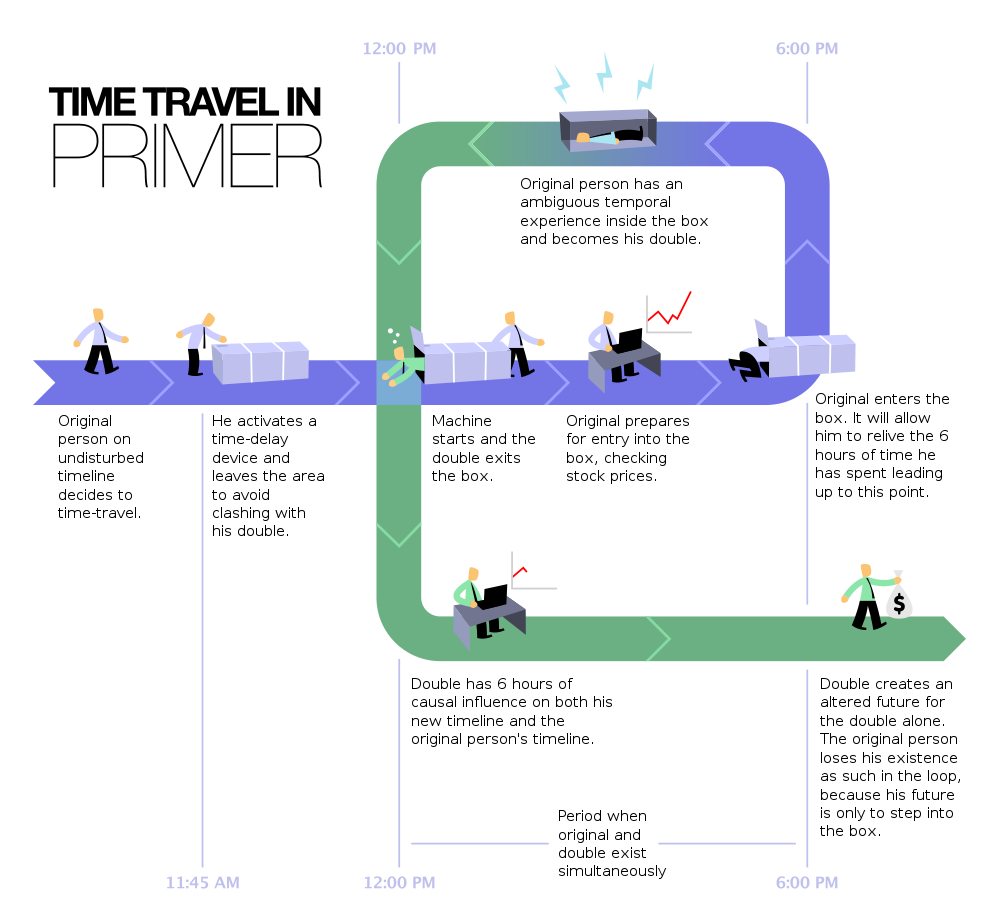
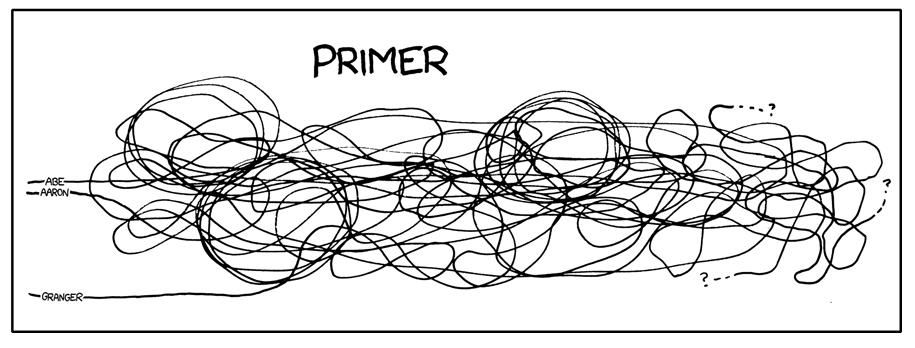
The whole thing is like a creepy, neverending, self-replicating Rubik's cube, but one thing remains clear: the tense relationship between Aaron and Abe. Aaron, ambitious and a family man, is quick to see the commercial uses for a time travel box. Abe is more boyish, almost slacker-like, but he is also the more cautious and possibly more ethical of the two. A mysterious voiceover narrates the action from a distant, third person view - enriching the sense of mystery and tension. By the end, you'll probably have a lot more questions than answers. This graph can help with some:

And this can help with all the others:

Or you can just do what we plan to do: watch it again and again and again. Recommended.