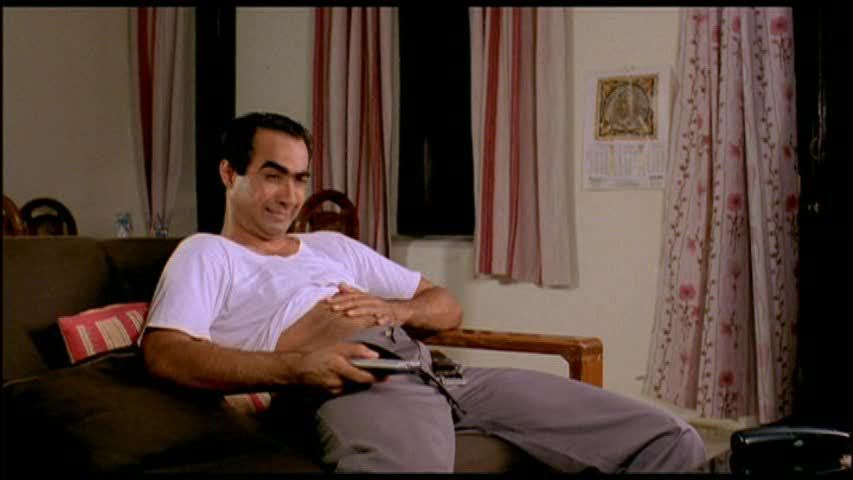
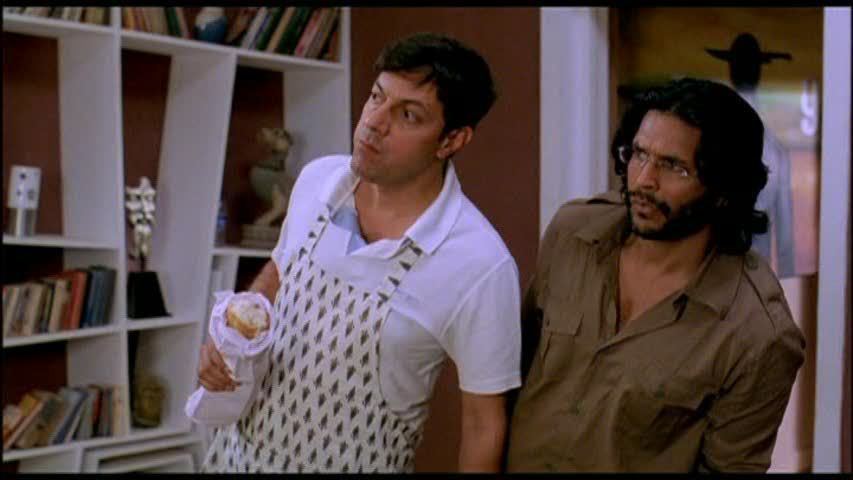
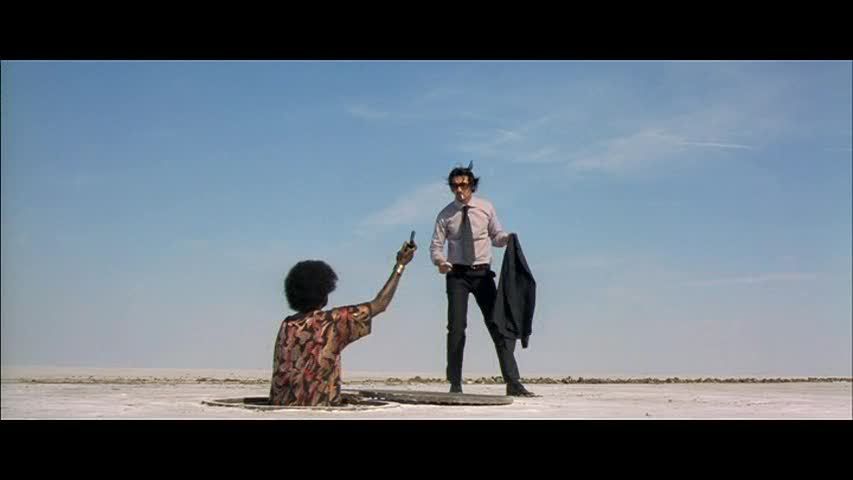
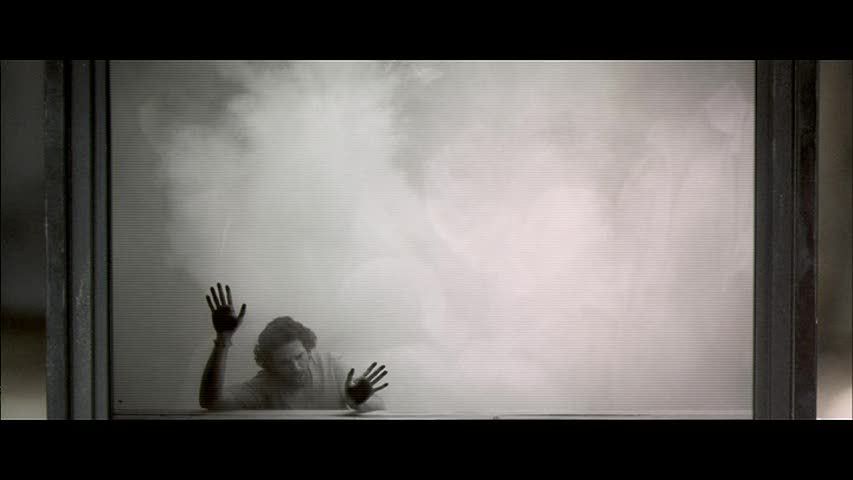
Showing posts with label parallel indian cinema. Show all posts

Monday, 15 November 2010

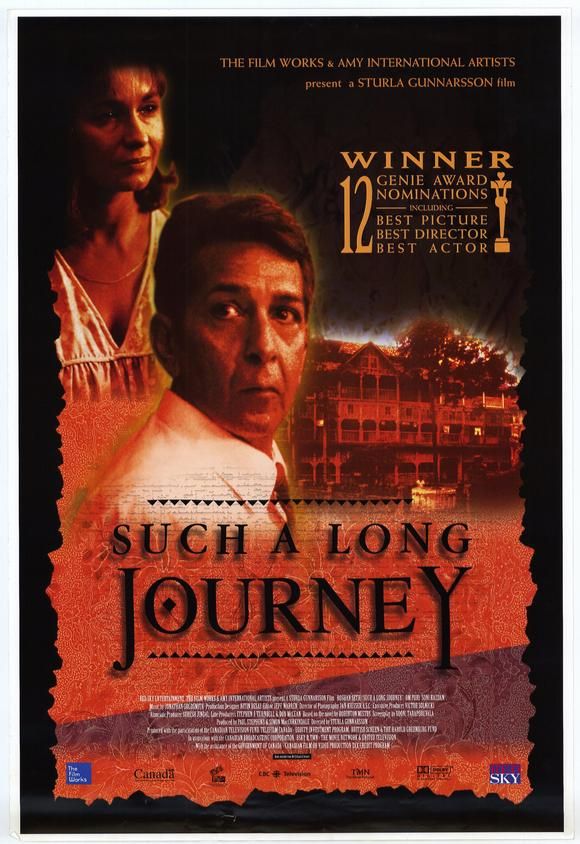
Such a Long Journey (1998)


Such a Long Journey is humanism, fatalism and mysticism all mixed up in one big, chunky mess that looks like an impressionist's painting and smells like pee. It's not particularly coherent, but that seems to be its aim: a pastiche of life, in all its warty glory, from a cross-section of a Bombay shawl in paranoid 1970s Emergency India.

Based on the book by Rohinton Mistry, it carries the flavors of Mistry's other works (e.g. A Fine Balance): Indo-nostalgic, riotous, deeply humanistic. There is the dysfunctional Parsi family, led by Gustad Noble (Roshan Seth) - a middle class bank clerk who is at times infuriatingly self-pitying, at other times gloriously heroic. His wife, Dilnavaz (Sona Razdan), struggles to keep the balance between Gustad and their eldest son, Sohrab (Vrajesh Hirjee), who has just had the (mis?)fortune of being admitted to one of the prestigious IITs. One day, Gustad gets a letter from his charismatic, prodigal friend, Jimmy Bilimoria (Naseeruddin Shah), a military man who spins tall tales about funding Bangladeshi/"East Pakistani" resistance forces.

The strength of Mistry's story, and this adaptation, is how the fine line is juggled - or, shall we say, a FINE BALANCE is maintained - between what is real and what is fantasy. This isn't stereotypical post-colonial magic(al) realism (though that would have been nice too), but rather it's a sort of unreliable narrator - is Jimmy really a big-shot spy? Do the magical potions Dilnavaz concocts really what keep everyone safe? The film leaves these things ambiguous - sometimes frustratingly so. But that ambiguity, like the incoherence, is all part of the package. Look at this! Life is crazy! Just as the chawl's wall to the street goes from over-frequented public urination spot to religious mural and ad hoc shrine, things often just don't make sense. And you're not even sure how to feel about it.

Indeed, religion is shown to be a fragile, important shield against the urine of life. When Gustad, in a slightly Groundhog Day way, becomes the holiest, shiniest, forgivingest (and, if you'll forgive us the Judeo-Christian default, the Jesusiest!) humanist we've done ever seen, he is shown to finally make some progress. Suddenly, he can laugh. He can cry. He has emotional breakthroughs. The wall doesn't smell like pee anymore.

Poor Roshan Seth was never really used as much as he could have been - we still recall, with great fondness and awe, the subtle genius of his performance in Gandhi (particularly when he confronts Gandhiji after one of the fasts) and the wondrous, dreamy texture of his take on a displanted Ugandan in Mississippi Masala (maybe the only movie where he gets his due). That man could be soulful, people! Such a Long Journey is a rare chance for him to play the lead, and it's intriguing and, ultimately, very satisfying to watch his complex, whiny, miserable, redeemable Gustad. Naseeruddin Shah and Om Puri - the usual stalwarts - have very little to do, but it's nice to see them (especially Om Om Om Puri!). Soni Razdan did what she could, given that - yet again - the ladies get relegated to being concerned mothers, shrewish crones, whores or sexualized secretaries. Oh yeah, or Indira Gandhi.

So, to conclude: domestic, lightly mystical (featuring the Sitars of Transcendentalism), and endlessly interpretable, this is a rare glimpse into middle class workaday urban India, when most other stuff tends to be Orientalist poverty porn or Karan Joharified NRI luxury fests.

Monday, 24 May 2010

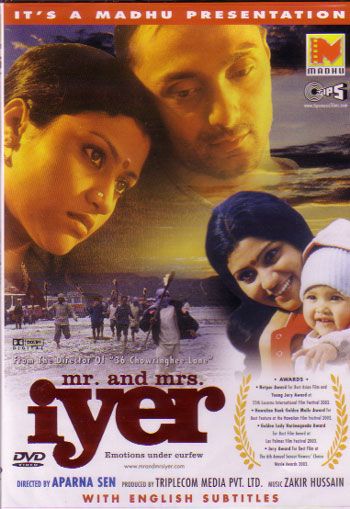
Mr. and Mrs. Iyer (2002)


Mr. and Mrs. Iyer is a real tearjerker. Confronting the hairy problems of India's sectarian violence, it appends an unexpectedly romantic edge (think Cairo Time!), as the titular "Mr." and "Mrs. Iyer" - a Bengali Muslim and a Tamil Brahmin - go from uneasy trust to a rare and special bond.

The story begins when Meenakshi Iyer (Konkona Sen), the real Mrs. Iyer, readies herself and her infant son for a long journey to meet her husband in Calcutta. Amid the fluttering of her assorted family members, Meenakshi is introduced by a mutual friend to Raja (Rahul Bose), who is also travelling and has agreed to help out.


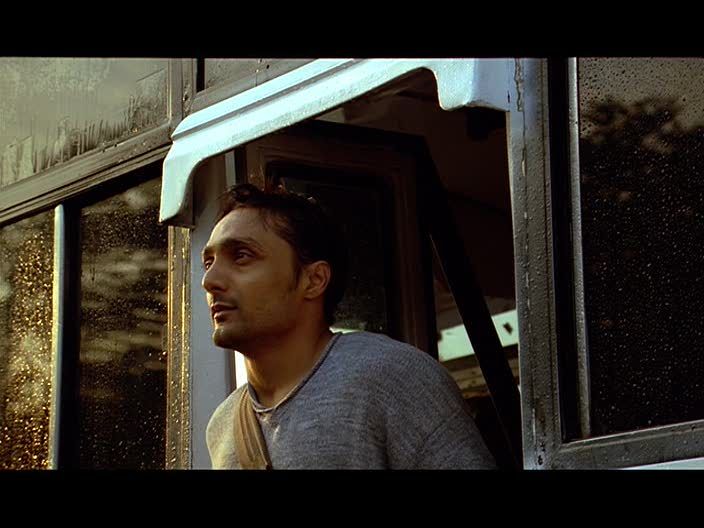
Him.


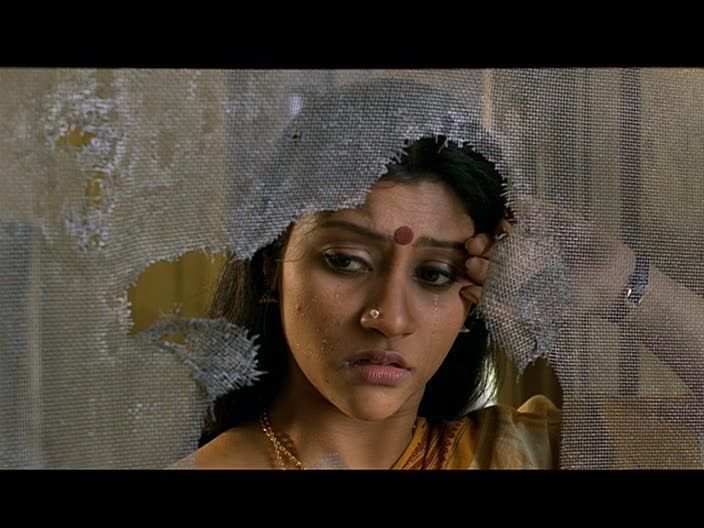
Her.


The initial bus journey begins innocently enough, with a charming, Altman-esque sequence where the bus passengers - and, importantly, their diversity - are introduced. Director Aparna Sen (who we last saw in Immaan Dharam, another tearjerker!) uses light, breezy gestures to touch on issues such as modernism ("When I met you," an elderly Muslim man huffs to his wife after having a youngster's bare midriff in his face, "the only thing I could see of you was your hands!"), communalism ("Bloody terrorists," a young Hindu grumbles), and the ever-present tensions lurking beneath the happy, chaotic surface. In the prologue, Sen splashes the screen with a mess of newspaper headlines, all screaming the same thing: VIOLENCE! DEATH! RACISM! FEAR! The bus passengers wrap their food in newspapers with grotesque headlines. But it's hard to imagine that such violence could ever touch the easy-going domesticated vibe in the bus.

But that, of course, is Sen's point: juxtaposing this innocent diversity with the horrors to come. After an unexpected detour, the group encounters a long traffic jam on the solitary country road. Wild rumors run up and down the line of waiting vehicles: there was an accident. Someone was murdered. And, finally, the worst: communal riots have started. Hours pass, and a harried policeman (Bharat Kaul) eventually arrives, begging everyone to stay in the bus. Raja, who has helped Meenakshi throughout the journey with taking care of the infant, and with whom Meenakshi has generally struck up a friendship, announces that he is Muslim and must therefore flee. At first, Meenakshi is horrified that she shared a water bottle with a Muslim - but, when a group of torch-bearing Hindus arrives - she quickly claims him as her "Mr. Iyer".


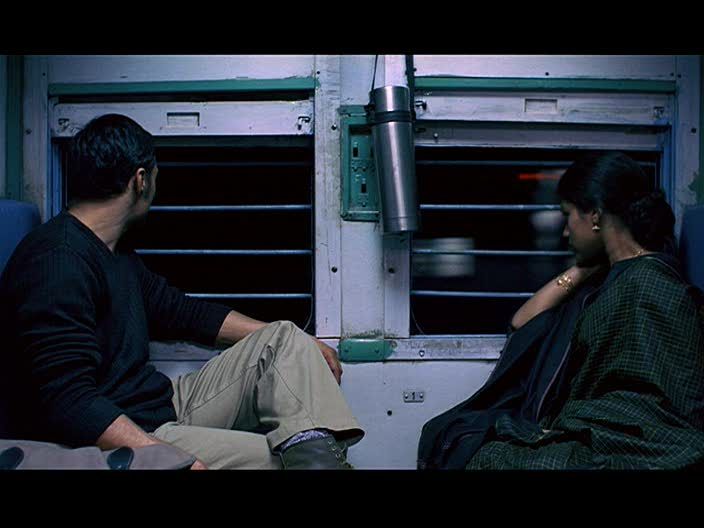
A brief plug for the excellent Indian railway system.


A great thing about the film is that it never wallows in the violence. Instead, we remain with Mr. and Mrs. Iyer as they skirt along its edges. Mostly, they and the other bus passengers must wait and wait and wait while the roads clear. Scenes of any real bloodshed are rare, and the passengers' general naivete regarding their situation is underscored by their occasional quasi-ghoulish delight in relating the gory details of the rioting. "You know that old couple?" one fellow passenger tells Mr. and Mrs. Iyer at one point. He draws a line across his neck. It's a harrowing reminder that, until you are physically confronted with violence, that violence can be difficult to imagine.


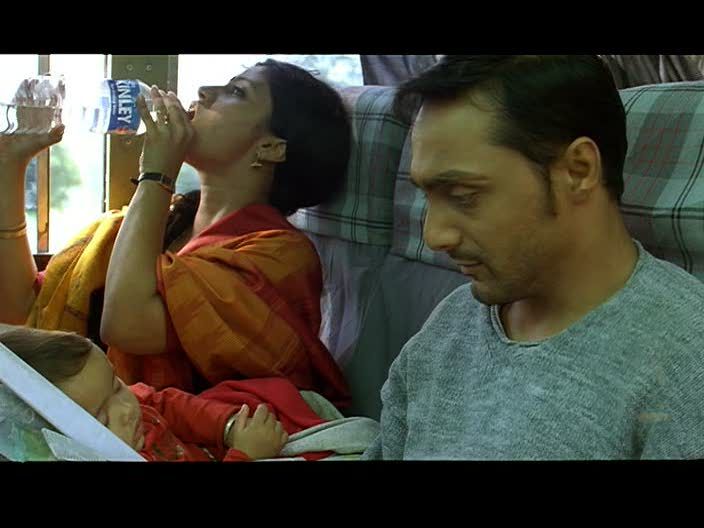
A very sweet moment: Mrs. Iyer drinks her water bottle using the usual way.


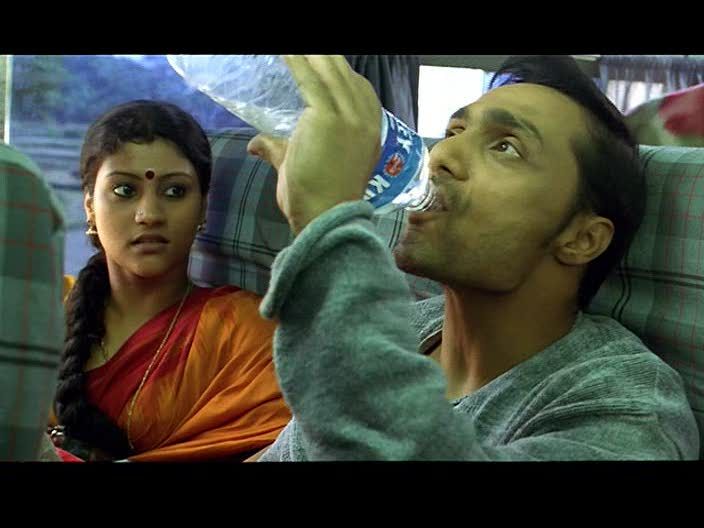
...and is horrified to watch Mr. Iyer drink it in the "modern" fashion! Juthaaaaa!


Of course, the big Moral of the Story is that communalism is bad, and the cycle of vengeance is pointless. This is, if anything, a tired, well-worn notion. What's slightly more interesting is how modernism, as represented by the jet-set Raja and his enormous Nikon camera lens, is not necessarily portrayed as always right. "Oh, don't give me that Tam-Brahm bullshit!" he spits uncharitably in one scene. Similarly, traditionalism and orthodoxy - as represented by Meenakshi - has both its own benefits (the preservation of culture, via her son's name) and shortcomings (her bigoted views of other castes). It's only when Mr. Modernism and Mrs. Conservative overcome their differences and learn to trust one another that the evils of communalism can be overcome. Given India still struggles with endemic prejudices, it seems that Mr. and Mrs. Iyer have much to teach us!

...Or that India needs Sesame Street diversity education, like that one excellent article said!

Friday, 29 January 2010

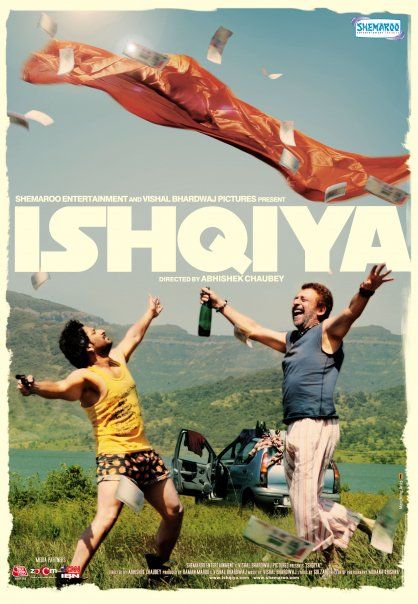
Ishqiya (2010)


When we walked out of Ishqiya (a play on ishq/love and a certain Hindi swear (c---iya)?) last night, a group of well-heeled young folk passed us. Posh Girl loudly declared, "I wish they had used subtitles so that I could actually understand what they were saying!"

Indeed, Ishqiya tests even the nativest of Hindi speakers, as its characters speak almost entirely in thick Bhojpuri dialect, peppered with some adult language which unfailingly yoked hoots and howls from the audience. The movie, which carries Vishal Bhardwaj's stamp of production approval as well as his musical director tastes, feels much like, well, a Vishal Bharadwaj film, only Lite. That is, it is indie, arty, grimy and fun. At times, it feels like a bromantic curry Western in the style of Sholay. At times, it feels like there's a mariachi band right around the corner.

With a heavy disclaimer that we speak only elementary school-level Hindi and hence don't understand rated-R Bhojpuri slang, we think the story was about two buddies, Babban (Arshad Warsi) and Khalu (Naseeruddin Shah). These low-level goondas steal X million rupees from their feather-voiced boss, Mushtaq (Salman Shahid), and hustle away through deepest, dodgiest Uttar Pradesh. Eventually, they find refuge in the home of the beautiful widow Krishna (Vidya Balan). While there, Khalu overhears Krishna busting out some glorious sitar beats at dawn and, immediately smitten, he speedily dyes his beard with henna and begins the courtship dance. Krishna seems to return the affection, mostly because it's hard to hurt someone as soft and fuzzy as Naseeruddin Shah in Love. Meanwhile, Babban is also smitten with Krishna - though his affections are of the more, er, carnal sort. So Khalu's the classical romanticism of ishq and Babban is the more MTV libido-driven lustiness of *ahem*-iya. And meanwhile meanwhile, the trio plot an elaborate kidnapping plot of the local political leader.

The tone of the movie seems to juggle between grimy, ultra-violent action film and quirky, indie romance about middle-aged love. It only really works thanks to the musical cues - Vishal Bharadwaj's songs are lovely (as always!), and special kudos go to his adorable Dil To Bachcha Hai (The heart is a child). Sigh... Just thinking about that song makes us love Naseeruddin Shah EVEN MORE. (If that's even possible.)

Maybe "quirky" is the best word to describe this film, as it doesn't fit into the usual Hindi film mode of using bubblegum star power to propel things forward. There are no item numbers and no big stars. Even Vishal Bharadwaj's other films - Maqbool, Omkara, Kaminey - featured bankable heroes like Irrfan Khan, Ajay Devgan and Shahid Kapoor. It was refreshing to see a film comfortable enough in its premise to cast an older actor and a relatively less-famous star as the two buddies. Ah, how long it's been since Naseeruddin Shah had a more meaty, non-supporting role! It really took us back, man.

Which reminds us: another refreshing thing was the absence of any heavy-duty "Social Themes" which marred many a 1980s Parallel film (including many of Naseer's!). Ishqiya instead is part of the new new wave of indie Hindi films - movies which are smart without being somber, alternative without being obtuse. We are very, very pleased with these films.

Saturday, 14 February 2009

Black Friday (2004)

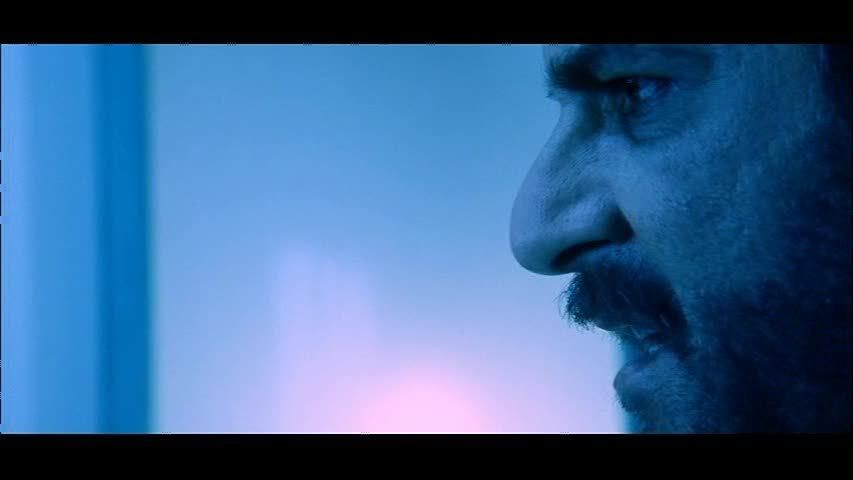
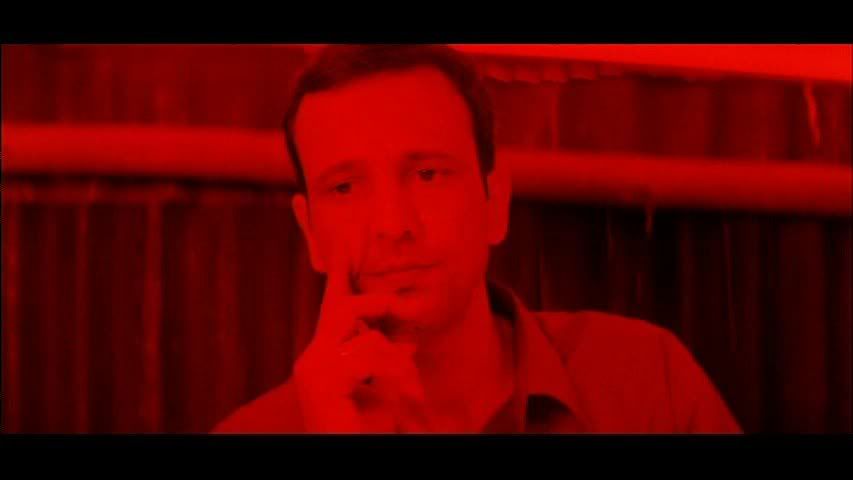
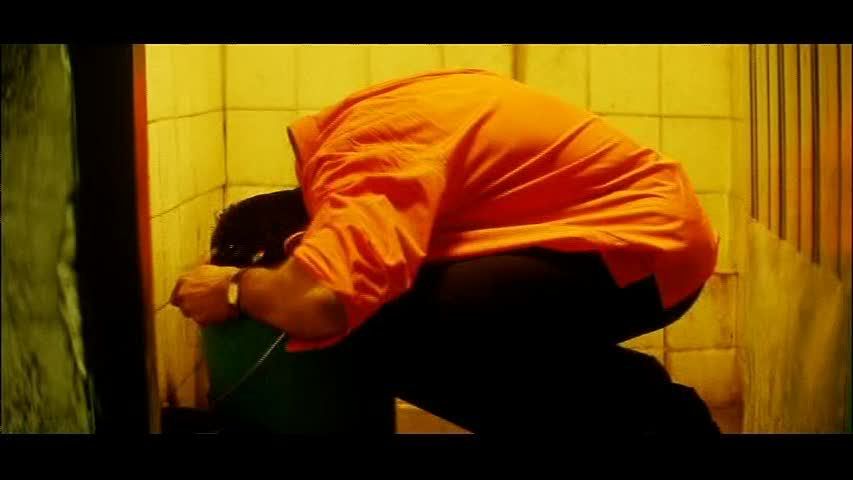
The relentlessly dark, hyperrealist Black Friday whittles everything down to its most raw and still manages to be incredibly complex and emotionally intense. Director Anurag Kashyap presents the 1993 Mumbai bombings without embellishment, and yet the film is very rich in detail and implied depth. Scenes such as the wandering, fugitive terrorist's lingering stare at a dog being teased by his master, or the harried police inspector dunking his head in a bucket of water to silence the screams from the interrogation room are like stark punctuation notes in this film. Some scenes, such as the interrogations or the communal rioting, are almost too intense to watch.


Pavan Malhotra as Tiger Memon, the terrorist mastermind.


Kay Kay Menon as Rakesh Maria, the police inspector.


The film doesn't follow a standard narrative, nor does it have any central character. Instead, we follow a large ensemble of players on both sides of the investigation, while the story loops around, flashbacks and jumps forward, becoming a sprawling documentary of the bombings. The first half of the film is mostly concerned with Inspector Rakesh Maria's (Kay Kay Menon) investigation into the men responsible for the blasts. This quickly brings us in contact with the group of fugitives. In particular, we follow Badshah Khan (Aditya Srivastava) as he flees through the villages and cities of Uttar Pradesh, Rajasthan and Bengal, constantly chasing the promises of his leader, the orchestrator of the blasts, Tiger Memon (Pavan Malhotra). It becomes increasingly clear that Memon, who has since fled Mumbai for Dubai, has abandoned the men who worked for him. The film is then book-ended with scenes of the blasts themselves and a quote from Gandhi: "An eye for an eye makes the whole world blind."

This film makes for heavy viewing: it is chilling, disturbing and sans any sort of optimism. Torture is presented in a disturbingly real light, yet it is not excused, as the police are constantly confronted with the inhumanity of their work. Similarly, the flat ultrarealism doesn't sympathize with or accuse any of the characters: for example, we spend quite some time with Badshah Khan, one of the bombers, at his most vulnerable. Yet he is never repentant, so much as angry at Memon for having deceived and used him (this theme of terrorist puppeteering has also been explored elsewhere in Hindi cinema).


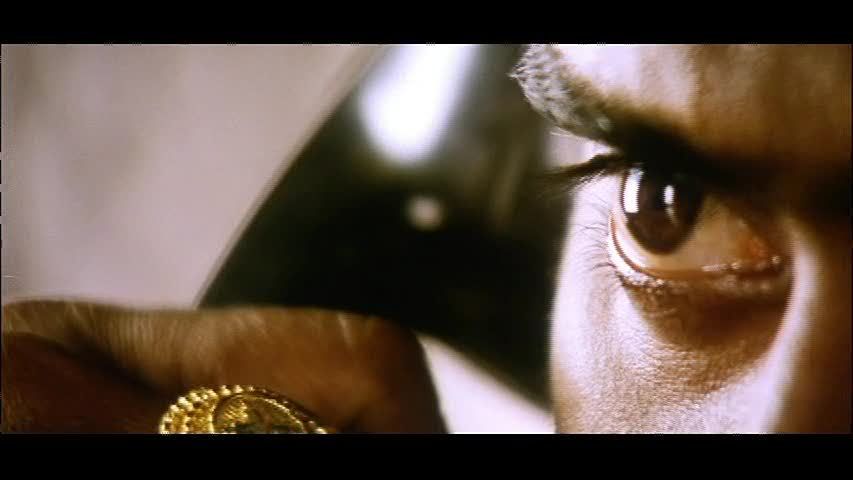
Director Anurag Kashyap had a great way of creating a sense of claustrophobia: using super-tight close-ups...


...or just small, restrictive spaces.


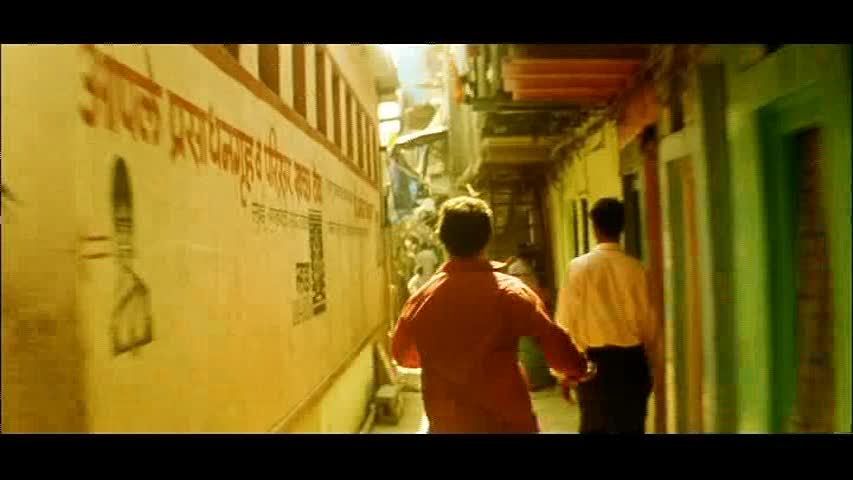
A notable thing about this film, apart from its obvious historical importance, is its role as an aesthetic predecessor to the much fluffier, much lighter Slumdog Millionaire. Slumdog's director, Danny Boyle, has said that the iconic "O Saya" chase scene from Slumdog was a direct tribute to the similar chase scene in Black Friday. (Indeed, both were filmed in the Dharavi slums and - in one brief moment - we see two little boys run past the fleeing suspect. Could those two have been Jamal and Salim?) Given that we at the PPCC think that the "O Saya" scene is the moment when most audiences fall for Slumdog, it's funny to hear that it's actually a remake. (There are other visual relics from Black Friday in Slumdog Millionaire - it seemed that Danny Boyle shot in the same locations (e.g. the underground passage).)

It goes without saying that, in a film like Black Friday, the acting is great. We only knew Kay Kay Menon - who was wonderful - and this one guy, who barely had a line. The other two main performers were Aditya Srivastava as Badshah and Pavan Malhotra as Tiger Memon - both of them were notably good.


The famous chase scene in the Dharavi slum, which inspired the similar scene in Slumdog Millionaire.


Overall, this is an exhausting, informative film that covers an important historical event in much more blunt detail than the relatively more evasive Bombay, which was reluctant to point any fingers. Black Friday names names and doesn't avoid the gruesome realities. Director Anurag Kashyap made interesting comments regarding the "overhype" of Black Friday, and we agree with him: "Black Friday is not a great film, it's an important film...it's a necessary film." The cinematography and visuals are gorgeous, but the film is really much more concerned with its content than with any groundbreaking filmmaking. And for its content, we highly recommend it.

Monday, 9 February 2009

Bheja Fry (2007)

Bheja Fry is a short, light fluff piece of a comedy - zipping by at 90 minutes and yoking more occasional chuckles than full-on belly laughs. Far from a perfect film - the pacing is often stilted, with some of the actors stepping on each other's cues and losing the comic timing - it is nonetheless enjoyable and cute. It's also refreshingly indie - something we always appreciate in Hindi filmmaking and indeed our latest flavor of the month here at the PPCC (after the wonderful Mithya and the freaky No Smoking).


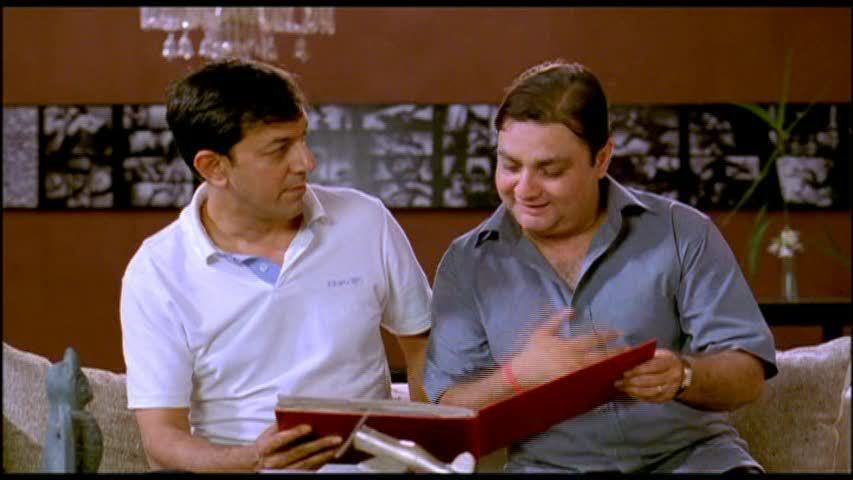
Rajat Kapoor and Vinay Pathak.


When we were thinking of how to review this, we kept thinking: "What's the word for French humanistic comedies?" We just thought we were assigning it a French vibe because we've got Mathieu Amalric (and Giancarlo, wheeeee!) on the brain today. But then we saw that our instincts were right: Bheja Fry is a remake of the French film, Le Dîner de cons.

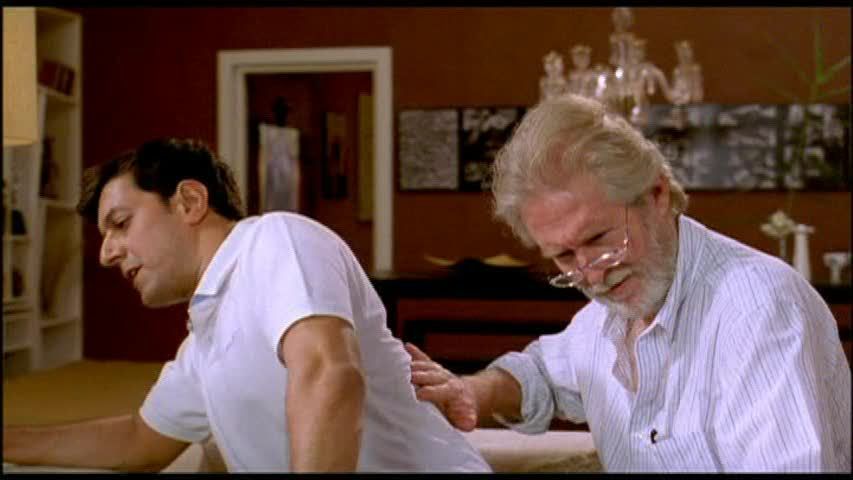
Meet Ranjeet (Rajat Kapoor). Ranjeet is a wealthy music producer who enjoys humiliating half-baked talents at his weekly "singing competition" dinner party. Basically, he invites his friends round and hand-picks one glaring "idiot" to perform for them. Ranjeet's wife, Sheetal (Sarika), is a successful singer who disapproves of Ranjeet's cruel habits. This week, Ranjeet has found his latest "idiot": the sweet, excitable, aspiring vocalist, Bharat Bhushan (Vinay Pathak). After inviting Bharat to his home, Ranjeet meets with an accident and pulls his back. The chiropractor (surprise cameo by Tom Alter!) advises Ranjeet to call off the dinner party, but Ranjeet - after meeting the buffoonish Bharat and having Sheetal angrily walk out of the house - can't resist. He invites Bharat to stick around. Bharat, observing the marital strife, offers to help. The two are then joined by Ranjeet's friend, hipster music producer Anant (Milind Sonam), and Bharat's friend, über-nerd Asif (Ranvir Shorey, in a very hammy performance). Wacky hijinx ensue.


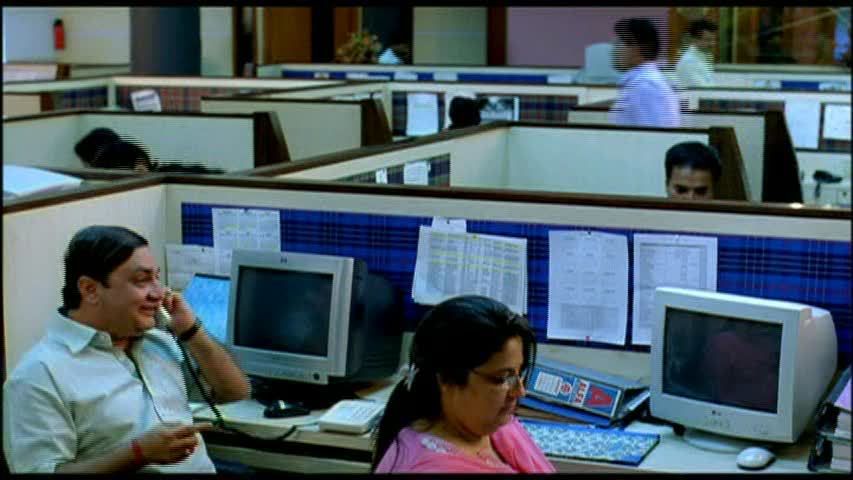
A nice grace note: Bharat's funny and adorable work friendship with his cubicle-mate.


Whoa! Tom Alter showed up! And, for once, we hear him speaking English (with an American accent - interesting! We thought he'd have an Indian one)!


Most of the gags are low-key and filled with a sort of childlike glee. Bharat keeps convincing Ranjeet of a number of silly plans to prank call all the possible men Sheetal could have potentially fled to. There's also an underlying current of humanistic heart-squish, as the audience clearly sides with the unknowingly-victimized Bharat, who is so open-hearted and adorable. Poor Bharat! Don't hurt him, evil Ranjeet! All he wants to do is sing for you! In fact, amidst all the yelling, there are even unexpected flickers of warmth between the bastardly Ranjeet and Bharat. Memsaab mentions her favorite scene as being Bharat's impromptu lullaby to Ranjeet - and it's ours too! Very funny. For a film about mean-spirited mockery, this film's style is instead quite forgiving and gentle.


Ranvir Shorey just sails in on the good ship crazy in this one.


The script - which is very strong, considering all the relationships - was written in Hinglish, heavy on the English. This made some of the dialogues feel stilted to us - particularly Rajat Kapoor and Sarika's. The strongest performance was definitely Vinay Pathak's: this was really his show, and he was delightful. The rest of Team Parallel - Rajat Kapoor, Ranvir Shorey, Sarika - were okay, though there seemed to be some mismatch in tone (at least, where did Ranvir's performance come from?).


Jiggawha?


Fun, undemanding, easy. Not a film you'd name your first-born after (ahem, that would be Tezaab) but not a bad way to spend 90 minutes either.

Saturday, 7 February 2009

No Smoking (2007)


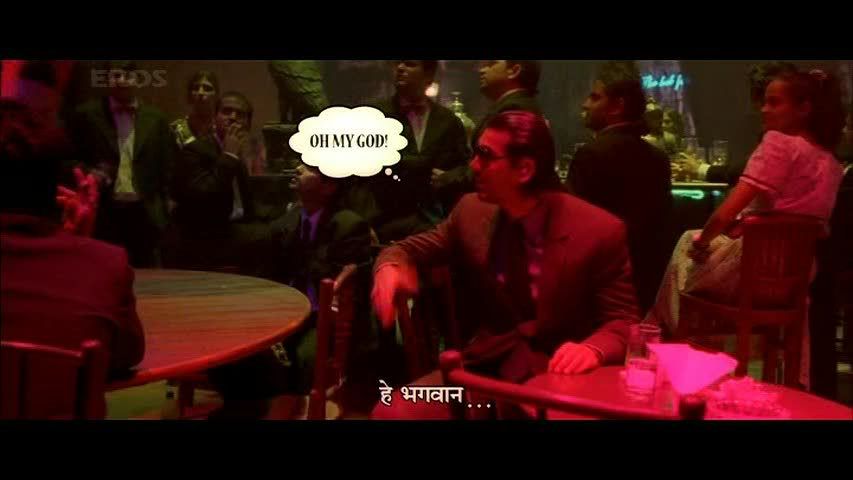
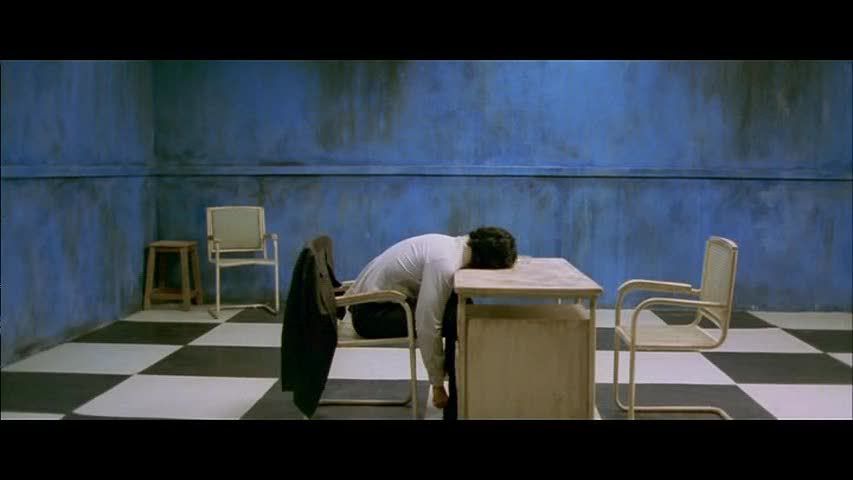
In the literal "middle" of "Nowhere".


Just one of several disturbing images.


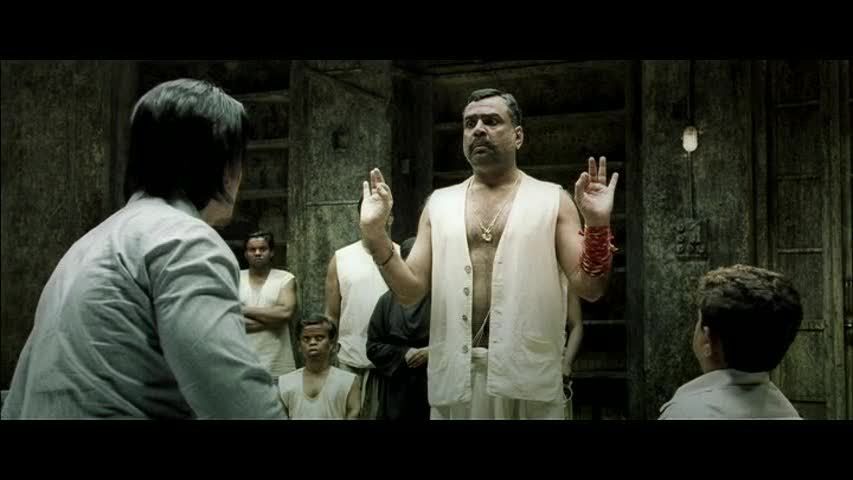
Arghhhh, our brain! OUR BRAAAAAIN! While Paresh Rawal's evil Guruji was busy severing souls from bodies, the PPCC's brain was slowly coming unhinged. We tried to keep track of everything in this film but eventually resorted to just listing references we recognized, because we couldn't make any sense of it. Filmi Girl's review has much more sense than this one, so we definitely recommend you read hers for intelligent commentary on this film. If you'd like instead our baffled "???!" take, then read on.

No Smoking, Anurag Kashyap's supremely surreal film, tells the story of "K" (John Abraham), a chain smoker who, after being threatened with divorce by his wife (Ayesha Takia) and encouraged by his friend (Ranvir Shorey), joins a radical rehabilitation program called the Laboratory. The Lab's director is Guruji (Paresh Rawal), and he is attended to by a wide variety of dwarves, giants, women in burqas and ghostly, whispering apparitions. "K"'s rehabilitation is a sinister, soul-sucking, Stephen King-inspired experience which includes finger-chopping, abduction, random explosions and, in the coup de grace, literally imprisoning the soul.

Well.

When the PPCC wasn't laughing at the occasional moments of dark humor, we were crying from TERROR. Yes, PPCC reader log, yes. We are a wet blanket when it comes to surreal art, and feeling disoriented scares us. We spent so much time clinging onto the few, rare moments of logic and whimpering "Mommy!" that we had just no idea what the hell this movie was really talking about. It certainly wasn't talking about smoking. Or was it? Filmi Girl reckons it was about homosexuality, or other subversive behaviors. Or was it about the Holocaust? Or the death of the individual in society? OW, MY BRAIN!


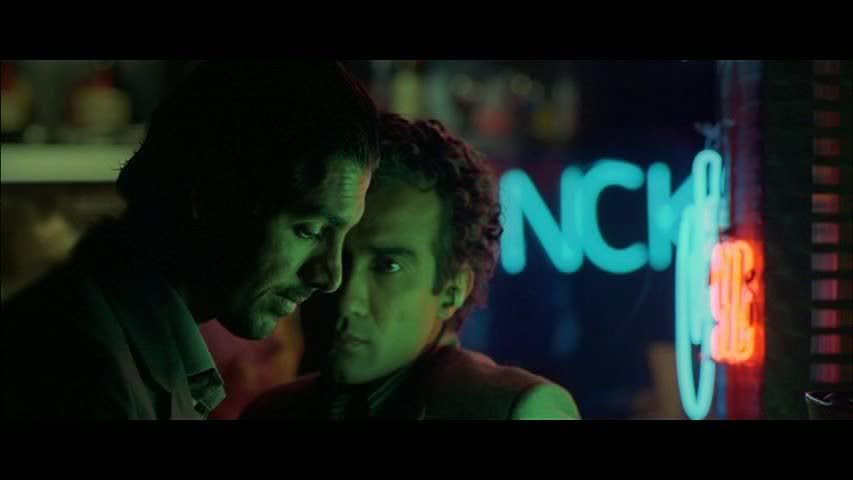
Reminiscent of the club scene in Trainspotting.


Reminiscent of The Matrix.


This was scarier than that surreal art installation movie thing we saw at the Tate Modern that one time - but that was just five minutes, and we were surrounded by people, and it was just about some women who keeps walking up stairs that never end. But this! THIS! This was two freakin' hours of Dalí and dimensions changing frame to frame and scenes restarting in different ways and, occasionally, just icing on the crazy cake, old Hitler speeches disguising themselves as doorbells or mobile ringtones. *sob* Then there were moments of American Psycho and American Beauty. And, of course, K for Kafka! Arghhh, what does it all meeeean?!

We have no idea. We've always been absolute crap at surrealism since we're just so baffled by it. Indeed, No Smoking will perforce have limited appeal, as its aesthetic is so alienating and its point - whatever it is! - is buried so deep in confounding, sometimes contradictory allusions and references. As a friend of the PPCC once remarked about a favorite scarf of ours: It raises more questions than it answers! Are smokers Fascists, or the people who ban smoking? Is K's soul tied to his family, his passions or himself? Why is Ranvir Shorey in a perm and cross-eyed?


Paresh Rawal was fabulously bizarre.


Was this movie really about THEM?! We have no idea.


We have to really hand it to Anurag Kashyap, for his extraordinarily unique vision, and to John Abraham, for being in this film. Poor John gets written off by us and our friends for being a pretty pin-up boy, and yet, if we really pay attention to him, it's clear that he's invested quite a lot of thought into his roles and he's desperate to push the envelope. This film, which is about as weird as can get, is a great thing to have made. We can't really say we enjoyed it, but we definitely appreciated it.

Now we just need to go bury ourselves in a comfortingly familiar, undemanding 1970s masala movie to cleanse ourselves of the weird! (And, yes, we HAVE to see Dev.D now.)

Friday, 6 February 2009

Mithya (2008)

*happy sigh*

We haven't enjoyed a movie that much in a long time. Mithya (Fake) is such a refreshing change from anything else we could have possibly watched, it was like a brainwash.


What a composition!


If the Italian film Johnny Stecchino and the Korean film Oldboy had a baby, it would be the strange and beautiful Mithya. Mithya inherits its plot from the former, but its aesthetics and dark sense of humor from the latter. Dressed in the guise of a bizarre gangster black comedy/noir, it's an unexpected meditation on identity which becomes increasingly labyrinthine in philosophy: is our hero Raje-bhai the crime lord? Or VK the struggling actor and loser? Does it matter anymore? Rajat Kapoor, the character actor from Monsoon Wedding, Jaane Tu... Ya Jaane Na and Krazzy 4 (off the top of our head), is apparently a wonderful director too, with a unique and gorgeous visual style akin in boldness to early Raj Kapoor. The aesthetics were truly mighty in this great little film.

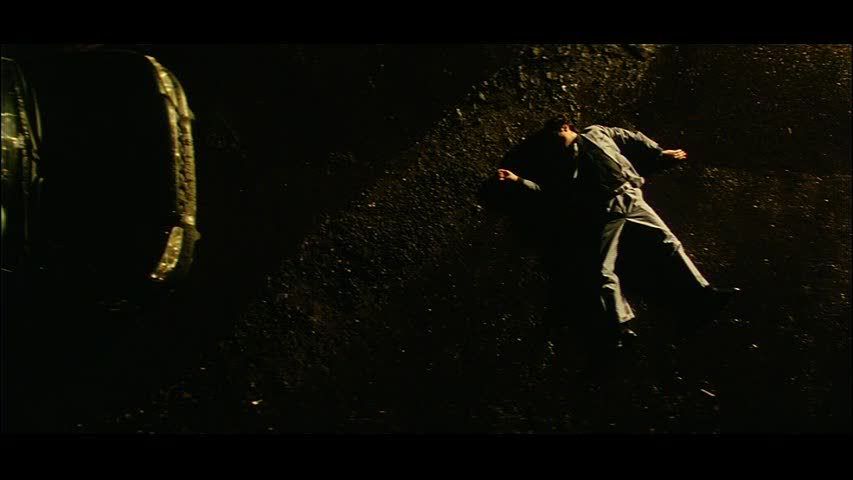
VK (Ranvir Shorey) is a struggling actor and all-round loser. He lives alone in his dingy flat, where he recites Hamlet in the mirror, he wears plastic pants in the rain and mutters to himself on the bus. Welcome to the dead end! One evening, after accidentally witnessing a brutal gang shoot-out, VK is stalked by a pair of henchmen (Vinay Pathak and Brijendra Kala) since - as his bad luck would have it - he is physically identical to their arch-nemesis, the Mumbai crime lord Raje-bhai (Ranvir Shorey, again).

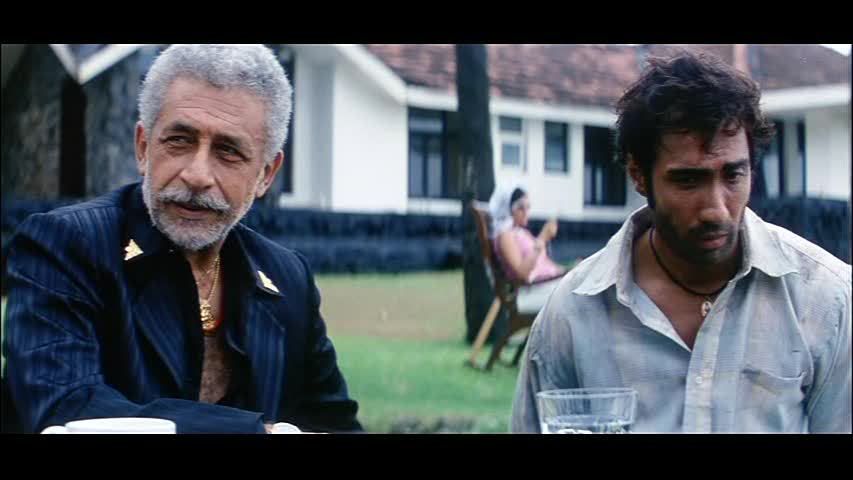
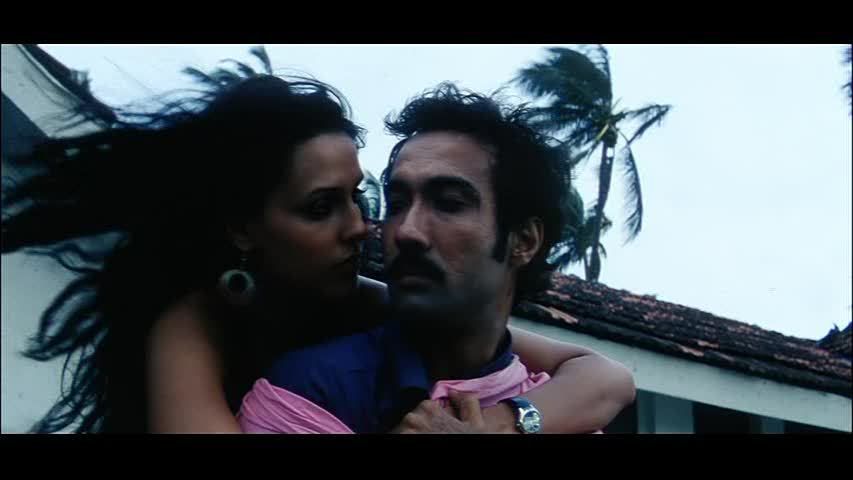
Eventually, VK is kidnapped by the rival gang - led by the grumbling Gavde (Naseeruddin Shah) and his buddy Shetty (Saurabh Shukla, who seems to be all over the PPCC these days!) - and engineered to take Raje-bhai's place. Their plan: assassinate Raje-bhai and plant VK as their mole. During VK's reluctant training in a remote beach-side house, he falls in love with Gavde's latest accessory, the sympathetic and sorrowful Sonam (Neha Dupia).

That's all we'll tell you. Once VK manages to take Raje-bhai's place, the plot spirals in a whole new, unexpected direction.


Our beloved Naseeruddin Shah and our newest fave, Ranvir Shorey.


Whenever we see "crime comedy", we cringe. Yet Mithya is more of a black comedy in the manner of Pasqualino Settebellezze or even, say, Kill Bill. That is, it was violent, gritty and sinister - yet with an acerbic wit and occasional sweetness. Quite a feat to pull off! The whole vibe of the film reminded us of those Cannes-beloved European films: for example, its rapid pacing and sudden, vignette-style cuts (like, say, Gegen die Wand) and its gentle, pretty background score with contrasting tensions (like, say, La stanza del figlio).

The acting was SUPREME, and the main role of VK/Raje-bhai seemed tailor-made for Ranvir Shorey, who was absolutely perfect. The role required a lot of range and depth, as we had to see and believe in two radically different men eventually merging into one, with all the pitfalls, doubts, hesitations and misunderstandings along the way. While some of these scenes were played for broad comedy (for example, when VK is hiding in Raje-bhai's bathroom), others were poignant (failing to recognize Sonam) or terrifying (VK's VKness slipping through). VK experiences some highs and many lows in this film, and Ranvir Shorey was both charismatic and naturalistic. If anything, we should note that this is the third Ranvir Shorey film we've seen - after Ugly aur Pagli and Aaja Nachle - where he plays a loser who is repeatedly beaten up, physically or spiritually or both. Is this becoming the brand? Hmm, too early for us to tell. But suffice to say, this role is the end-all, be-all lovable loser.


Another thing Ranvir has been good at in every film we've watched: romancin' the ladies and winning over our heart!


Everyone else is in top form: Neha Dhupia as Sonam was sweet, and her counterpart, Iravati R. Mayadev as Raje-bhai's wife, Revati, infused some unexpected depth into her scenes. It was both frightening and poignant to see Revati falling in love with her new Raje-bhai. Naseeruddin Shah was his usual Naseeruddin Shah-ness, and his bickering with Saurabh Shukla was very endearing. Even more endearing were the bumbling, low-level goons played by Vinay Pathak and Brijendra Kala - these two were hilarious! And oddly sweet! They seemed so mischievous and vulnerable, such as when they make VK stand in a barrel of cement just to scare him, or when they and VK engage in a little power war in the beach house.


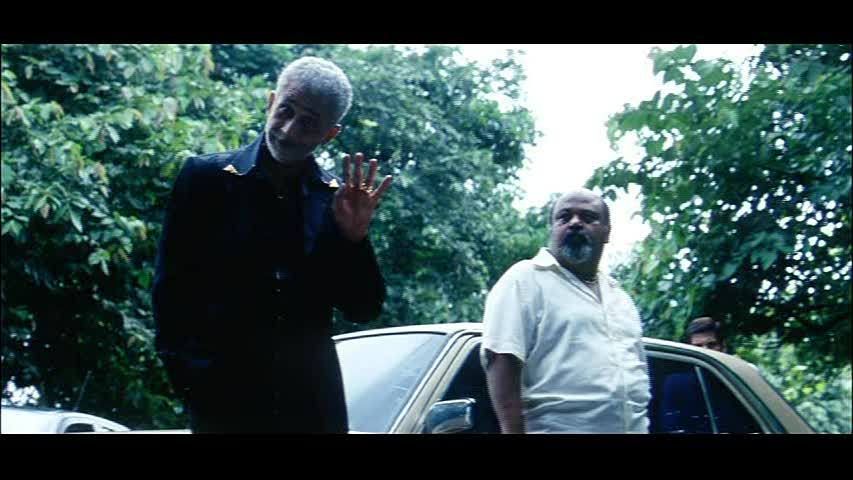
Naseeruddin Shah and Saurabh Shukla, who we may as well deem Dictator of the PPCC since he has literally been in EVERY SINGLE FILM we've watched this week.


The bumbling, evil henchmen played by Vinay Pathak and Brijendra Kala - who was AMAZING - decide how to torment VK next.


As we said earlier, the film is about identity - in particular, its malleability. The Philosophers' Magazine has a great game on personal identity called "Staying Alive" which investigates whether you define identity in terms of your body, your mind, or some hidden essence, like a soul or something. The game kills you off in a variety of ways, and all you have to do is remain internally consistent regarding which of you is YOU to survive. Mithya interestingly uses this same trope: various versions of Ranvir Shorey's characters - whether it's Raje-bhai, VK-as-Raje-bhai, VK-as-an-actor, VK-in-a-film-scene, and so on - are shot and, in the very end, while we know who Ranvir Shorey is playing, Ranvir Shorey's character has since become very confused as to who he actually is. There's also a funny little running joke when VK keeps jolting awake gasping, "My shooting!" Presumably, he's anxious about the film he's working on. But there's a heavy note of foreshadowing as well.

Overall, this is NOT a typical Hindi film - it's neither commercial "Bollywood" (no songs, no happy ending), nor does it resemble the usual arthouse fare (no put-upon women, no farmers, no widows). That said, another very valid description of this film would be that it's your usual masala meal in a very special sauce. Indeed, several reviewers noted the similarities with that old masala classic Don. And in the second half, as VK's identity gets screwed up, there are a lot of genuinely heart-warming, masala-style moments where everyone is humanized, vulnerable and expressive. However the aesthetics of the film seem to be much more surreal, hipster and edgy.

*toot!* Ranvir Shorey time has hereby commenced at the PPCC. We want to see more weird and grimy tales from this guy, as he's clearly all that and a bag of chips! No Smoking is definitely next, and we remember reading about him playing a heroin addict on Paisa Vasool somewhere? What else, PPCC readers? We need your help! Hamko aapka madad chahiye!

Sunday, 1 February 2009

Luck by Chance (2009)


Vah, vah, vah! Kya film thi!

Our money's on Luck by Chance - best film of 2009? Maybe. It's a bit early to call, being just February, and we're optimistic this year has even more in store. So while we don't have the courage to already dub it the year's best, we can say that it's a wonderful inauguration to what promises to be a year full of Hindi cinema potential. And what better way to kick out the jams of 2009 than a film about... making films!

Luck by Chance basically covers every single thing you need to know about the Hindi film industry. Sure, it's full of clichés - the desperately ambitious struggling actor, the sleazy producer, the idiotic princess - but it's such well-done cliché that we really have no complaints. This film manages to tackle every industry myth and real-life cliché with a smart cynicism: the filmi families, the superstitions, the light-dark skin tone racism, the Hindi-English dichotomy, the death of theater, the parallel cinema versus masala divide, even the "Bollywood" semantics issue... Not only that, rather than the glittering star parade of 2007's Om Shanti Om - another film about films - Luck by Chance's cameos are intelligent, wry and add depth. That is, the stars don't just walk on to pump up the film's appeal, but rather they serve key purposes: Karan Johar's explanation of the legendary "outsider" success stories at the party, for example. Furthermore, the entire cast is top-notch and there are some surreal, meta performances too (for example, Sanjay Kapoor as a failed hero and youngest brother of the big-shot producer).

The film follows a young struggling actor, Vikram (Farhan Akhtar), as he navigates the heady, two-faced world of behind-the-scenes Bollywood. He strikes up a romance with a B-movie actress, Sona (Konkona Sen Sharma), who has been waiting three years for a promised big break. Meanwhile, further up on the ladder is producer Romy Rolly (Rishi Kapoor) and his airhead trophy wife, Minty (Juhi Chawla). Romy's new film, Dil ki Aag (Flames of the Heart) is currently filming with his favored hero, the superstar Zaffar Khan (Hrithik Roshan, in a wonderfully ironic performance) and the debuting star child, Nikki (Isha Sharvani). Nikki's severe stage mom is the aging 70s superstar, Neena (Dimple Kapadia). When Zaffar lands a part in the upcoming Karan Johar film with Shah Rukh Khan - who, the film implies again and again, is at the top of the Bollywood pecking order - he dumps Romy's film. It's then up to destiny, hustling and sweat to get Vikram into the film's coveted lead role instead.

Ultrabrown's review makes a very good point that this film, which is ostensibly about the underdog outsider making it big in Bollywood, is made, instead, by the most gilded of star families: almost everyone in this film comes from a privileged filmi family. But we think this lends the film a knowing, self-consciously ironic air: as we mentioned, many stars have significant, smart cameos and the few actors in this film who are not playing themselves are generally playing parodies of themselves. Take Hrithik Roshan, for example: he has some wonderful moments such as when he laments that he's becoming "mechanical", that he is not Zaffar Khan but rather is the "employee" of the image of Zaffar Khan (something Shah Rukh Khan has said of himself) and when he eyes the rising star Vikram at the glitterati party with a half-predatory, half-insecure glare. And that's just one slice! Speaking of Shah Rukh Khan, his cameo, which is the culmination of the star parade, is the classiest of the lot: it's a real "we've finally reached the wizard of Oz!" moment.

Ultrabrown and Filmi Girl also noted that the film is difficult to connect with on an emotional level. And it's true: this film is primarily intellectual, it's a trendy arthouse movie wrapped in a commercial package, and so its tone is likewise snarky, cynical and ironic. In particular, the romance doesn't really work. And almost everyone in the film is an unlikably two-faced, overly ambitious and selfish social climber - at least most of the time. There is also a lot of gray, and a certain tragic air to the pervasive insecurity everyone seems to suffer from. It's indeed disheartening to see that the rat race never ends, that the top of the heap is a lonely and unhappy existence. The film's sense of humor is also the snort-and-snicker variety, with a lot of sarcasm and ridicule. All this makes it hard to like on a more straightforward, sentimentalist level. Yet there is some poignancy, such as when the aging Romy Rolly/Rishi bemoans the lost dignity of the current generation, and when Neena/Dimple instead reveals the harshness of her early life as a star (and this is interesting in itself; a commentary on the double standards for men and women in the industry, perhaps?). And just as a documentation of a fascinating industry, this film is great. We liked it and we highly recommend it - especially for those just getting into Hindi cinema. It's a crash course in all you need to know to be conversant with the lingo and mythos of Hindi films. Now we can only hope that the Raj Kapoor biopic starring Anil Kapoor (AHEM AHEM PLZ MAKE THIS FILM UNIVERSE) will have that same knowing, harshly cynical, exposé vibe about that era.

Thursday, 11 December 2008

A Wednesday (2008)

A Wednesday contains an interesting kernel of an idea - the rage of the common man against modern terrorism - and wraps it in fairly philosophically over-the-top vigilantism. This film - which is brief and offbeat (masala free, songs free, folks!) - is a bit difficult to review without basically giving away the entire story. So we're gonna stick a big fat

SPOILER ALERT!


for those that want to see this. Basically, in a nutshell, we think it's worth a single viewing, though it doesn't offer any particularly profound, realistic insight into terrorism. If you want something more thought-provoking, see Dil Se or Black & White or Droh Kaal.

The story takes place in present-day Mumbai. A nameless man (Naseeruddin Shah) goes around placing unattended luggage in sensitive spots - the crowded railway station, the police headquarters' bathroom - and then climbs to the top of a Mumbai skyscraper and calls up Police Inspector Rathod (a very restrained Anupam Kher) with a bomb threat. Initially, the film unfolds in a generic cops/terrorists way: the nameless man makes various demands - bring these four prisoners with known Al-Qaeda links to this airport, where they will be freed - while the police frantically work to trace his whereabouts.


Naseer's just your regular old aam aadmi... wreaking vigilante justice on Mumbai!


The interesting stuff happens in the end, when we learn that the nameless man was not some psycho terrorist mastermind, but rather an aam aadmi ("common man") intent on justice. Rather than freeing the four terrorists, he plants a bomb which kills three of them, and then threatens the police: "If I don't see [the surviving terrorist prisoner] dead on the news tonight, I will detonate the other bombs." The aam aadmi Naseer, you see, is tired of living in fear. He wants to be able to ride the trains and buses in peace. He still remembers the poor young fellow who used to always ride the same train with him, and who was later killed (it's insinuated) in some bomb blasts. So, because of his rage, he decides to take matters into his own hands - capitalizing on the terrorism-inspired paranoia he so despises to exact vigilante punishment on a randomly selected group of terrorists. His real identity - most notably his religion - is never revealed, as he represents only the Common Man.

A story like this can't really sit well with us. Even though, in the end, the aam aadmi vigilante was bluffing - there were no other bombs - it still didn't seem philosophically acceptable to threaten war in the name of peace. We can understand the appeal of taking matters into your own hands - the people's hands - in a country with a notoriously corrupt and inefficient judicial system. Heck, the fantastic Nayak was just one long, prolonged "aam aadmi kicks ass" fantasy. But, well, if there's one thing Anil Kapoor Month has taught us: it's that the aam aadmi shouldn't bypass the system to get revenge... especially when trying to improve the system! What were Shakti's last words in Virasat? "Send your kids to school! Respect the law!" That is, use the system - improve the system - don't complain about it and then go around it anyway. Naseer's Common Man is, instead, bending the system to his will - and all, ironically, in the name of bettering society. And, even if he was bluffing, surely he undermines his own argument by capitalizing on the very paranoia he despises?


Rooftop Naseer of Justice.


Anyway, the film doesn't worry too much about all these anarchy/populism ethical conundrums. It takes a more simplistic view: "Terrorism is wrong! The common man fights back! Cool!" It sympathizes and reveres the aam aadmi's vigilantism. For example, once his motives are understood by the police staff, no one wants to pursue him. When Inspector Rathod finally catches him, he just introduces himself, shakes his hand, and a voice-over narrates, "I don't know whether what he did was right or wrong. But, personally speaking, that which happened was a good thing."


Aamir Bashi and a very effective and restrained Anupam Kher.


The film's main message then, is "beware the common man's anger." Yet while there is a moral pride in witnessing the common man rise up to fight large-scale injustice - whether it be terrorism, corruption, or whatever - this film seems to advocate a sort of fantasy vigilantism. "Type 'bomb' into Google these days and you'll find many ways to make a bomb," Naseer's character explains, implying that, if the common man was inclined, he could easily fight fire with fire - terrorism with terrorism. But how can threatening to blow up a bunch of strangers because you're upset about strangers getting blown up... make any sense? Sure, the common man was bluffing - but since when is calling in a bomb scare an acceptable way of meting out your own private justice? And, most importantly, given how highly unlikely and almost subversively anarchic ("everyone can fight terrorism however they want!") this story is, is there any use to it? Its heart is in the right place, but it didn't seem to think through the ethical ramifications of its message.

Consider a few other films in the "terrorism" genre which, we think, are more insightful. Droh Kaal (which also stars Naseeruddin Shah, incidentally) showed us how fighting evil can ultimately compromise your own morality. Every character in the film - from the police chief played by Amrish Puri, to the anti-terrorism squad leaders (Om Puri and Naseer) and their spies - is eventually forced to make impossible moral choices. In the end, no one is spotless. And indeed, the film proposes the very interesting question: When do the ends stop justifying the means? When does moral compromise become too much?

The more recent Black & White took the expected structure - suicide bomber gives up his life of evil after being exposed to humanity's good side - and switched it around. It's not the love of Anil Kapoor and Shefali Shetty's progressive Hindu couple which changes the suicide bomber's mind, it's their steely resolve in the face of terrible (and communalist) tragedy, and it's the revelation that terrorism is a weapon used in Machiavellian realpolitik. When the idealistic anti-hero realizes that his two most important motivations for jihad - personal revenge due to past family tragedy, and religious fundamentalism - are not what drives others, especially his superiors, he realizes that he's been duped into dying for another man's politics. As soon as he realizes that, he realizes he doesn't have to.

And Dil Se? Ah, well, Dil Se uses the suicide bomber romance more as a metaphor for macro political problems in India: the central government versus its outer states. See Prof. Philip Lutgendorf's review for some great analysis.

The performances did what they could with the shallow characterizations. Naseeruddin Shah was dependable as ever, though - and maybe we're projecting! - he seemed more a curmudgeonly old grandpa who grumbles at the tomatoes that fall out of his bag rather than some enraged and slightly psychotic anti-hero. We think this is partly a failure of the script - as we said, the film doesn't worry too much about the twisted ethics of its nameless protagonist. Anupam Kher - well, we're always saying that Anupam Kher is a very good actor who sometimes makes very bad choices. We're happy to see him getting a role which lets him be more subtle and serious. Aamir Bashi and Jimmy Shergill were fine in their respective (fairly stereotyped roles): the upright, wholesome and family-man Hindu "good cop", and the hot-headed Muslim "bad cop", respectively. Honestly, all Jimmy Shergill does in the first act is wordlessly walk from scene to scene, punching people in the face.

Monday, 8 December 2008

THE JODI: a bonanza of love!

जोड़ी - jodi, n. Hindi. pair, match, duo


The Masala Jodi
Shashi Kapoor & Amitabh Bachchan, "Shashitabh"


The rest of this list isn't in any order, but this is definitely first. It would be silly to pretend that our favorite genre of Hindi films isn't masala - that unique and characteristic blend of outrageous, operatic, zany emotionalism that they make so well in Mumbai. Fellow blogger Beth has already discussed what aspects makes masala masala (dishoom dishoom, gangster lairs, lost babies, disguises), and indeed the masala genre - especially its golden era in the 1970s - is much beloved by the blogosphere. We have to admit - masala is like crack. Once you start, you can't get enough. Or maybe it's like sushi - an acquired taste, addictive for the converts but unpalatable for those missing the gene. Masala demands that you suspend all logic to honor instead the big heart of humanity. Dishoom! Its high point, we would argue, was in the mid to late 70s with the films of Manmohan Desai, though there have been some peaks since then (e.g. Farah Khan's films).

The jodi that best defined that golden era of 1970s masala was, of course, our beloved Shashi Kapoor and Amitabh "Biggest superstar of Bombay" Bachchan. These two met at the party that was Roti Kapada Aur Makaan, but they fell in bromance in Deewaar. The chemistry between these two already very charismatic actors was magnetic - whether they were playing estranged brothers or even antagonists, we could rest assured that they would always have a very strong connection. Like the Force! They complimented and contrasted each other as a quirky yin and yang: Amitabh's macho bravado against Shashi's fey dandying. Sometimes one would be the "straight man" to the other's gags (e.g. Amitabh begging Shashi not to report him in Suhaag), sometimes the roles would switch (e.g. Shashi begging Amitabh to save him from marriage in... Suhaag again). They had unique and different screen presences (and hotness factors) which, combined, became even better. Like... chocolate and raspberries! Pizza and pineapple!

What are some magic jodi moments? Most people would probably point to the iconic "Mere paas maa hai!" dialogue from Deewaar, but we've never cared for that film. Instead, we love:
  • Amitabh dragging a drunken Shashi away from an Amazon-style Parveen Babi in Namak Halaal.
  • When Amitabh and (a sick!) Shashi fight off some goons in Immaan Dharam, and Shashi warns the goons that their (platonic) girlfriend has two brothers looking out for her. When none of them are actually related!
  • In Silsila, when Shashi gives Jaya a tape of Amitabh reciting poetry. Jaya asks, "Praytell, who is this gentle poet with the fly voice?" And Shashi smiles in that Shashi way of his and croaks that Shashi voice of his, proudly informing her, "Mere bhaaaaaaai hai!" ("He's my brother!") And then a fast cut to Amitabh kicking it with a brass band in tow.
  • Basically, all of Suhaag, but especially the bit when Shashitabh's mom enquires about whether Amitabh is already/is intending to get married, and Shashi jams his toast and says, "And who's gonna marry this loafer, goonda, idiot..." under his breath.


Where can I watch this jodi in action? Deewaar, Suhaag, Immaan Dharam, Trishul, Do Aur Do Paanch, Namak Halaal, Silsila, Kaala Patthar... and in particular Aa Yaar Sun.


The Endangered Jodi
Rani Mukherjee and Anil Kapoor, "Anvil Rain, by Meatloaf"


Anyone else reminded of Broken Social Scene's Lover's Spit? "Oooooh, all these people drinking lover's spit, sit around and clean their faaaace with it."


We must make special mention of our newest favorite jodi, Rani Mukherjee and Anil Kapoor. These two are endangered because, as Anil creeps along to 30 50 (!), it becomes increasingly unlikely that he'll be playing many hero roles and indeed, as Filmi Girl notes and we agree, he's instead moving into the Pran territory of character roles. Meanwhile, Rani, at 30, is in her heroine prime - though heroines have a much shorter lifespan than heroes in Bombay, and so she might be finding herself in that netherworld of Juhi Chawla-esque pre-"Naaahiiiiin!"-ing Mom roles in ten years (good for this jodi!). Either way, it's unlikely that we'll see this jodi again anytime soon - as much as we really, really would like to, Mr. Bollywood Producer! Surely Anil's producer brother, Boney, can get something going for these two? Maybe they can be the kooky sideplot couple in some multi-starrer melodrama? (Though, honestly, we'd prefer to just give 'em a big ol' three-hour masala meltdown movie as hero and heroine. That would rock!)

Anyway, the reason we like these two so much is because, as with all good jodis, they have great chemistry. They're both talented at comedy of the squishy dil variety; e.g. expressive, funny and able to freely burst into tears. They can both carry much more depth, if needed. But we really like them for their light-hearted romping in Nayak, our newest favorite movie. Those acid trip scenes won us over completely.

Magic jodi moments?
  • In Nayak, when Anil says something sweet to Rani, causing her to burst into tears. After letting her cry for a minute, he goes, "Okay, okay, give me a smile now. Come on, smile." When a blubbering Rani tries to smile through her tears, Anil looks disgusted and drawls, "Theek-se haanso, naaaa?" ("Laugh better!")
  • In Nayak, when an angry Rani admits she had fed Anil's lunch to the goat because she was so angry at him, and so can only give him some stale roti and onions. Anil not only assures her that "stale rotis with you is great!" but cries when she feeds him.
  • And basically everything they do in the roti song, the Mughal-e-Azam song, the chalo chale song and the pot people song.


Where can I watch this jodi in action? Nayak, Calcutta Mail, the movie that we're going to make the day we win the lottery and take over Bollywood... and that's IT!


Jodi of the Future
Farah Khan and Shah Rukh Khan, "Yes, we Khan!"


While choreographer/director Farah Khan and superstar Shah Rukh Khan have been friends since their early days in Mumbai, they only started their most potent collaboration in 2004 with Farah Khan's directorial debut, Main Hoon Na. This film revived in grand style the best of masala (which the Shashitabh jodi embodied): it was loud and beautiful and fun and frantic and smart. The two followed this up with 2007's Om Shanti Om, which was even louder and more fun (though with a crazy second act... a more unfortunate masala characteristic!). Given the superhit status these two films achieved, we're pretty sure that Farah and SRK will be teaming up again, and we look forward to whatever they'll give us with great anticipation!

Why is this jodi so great? Well, Farah Khan knows masala and she knows exactly how to use SRK. The man was made to be a singing, dancing, charming performer - a star, more than an actor - and Farah puts his hamming and preening to work in the best possible context. Om Shanti Om, in particular, is loaded with a knowing, self-deprecating sense of humor as we watch SRK the struggling extra ham his way up to SRK the egotistical superstar, with ample in-jokes along the way. We love Farah and SRK because they are two intelligent entertainers who make seemingly "brainless" pop which is actually not so brainless at all!

Magic jodi moments?
  • A scene that made us go, "Yes! YES! THANK YOU, FARAH KHAN!" was in Om Shanti Om, when Om the struggling SRK comes home to his mother and engages in the most filmi melodramatic meltdown over his doomed chances at becoming a star. This scene - with its silly camera angles, and SRK's angsty posturing - was perfect and great, a silly piss-take both of SRK's critics and SRK himself.
  • In Main Hoon Na - another film filled with in-jokes about the aging SRK playing the eternally youthful college student - the scenes when SRK expresses his most charming nerdy side, singing off-key, throwing his limbs around helter-skelter, swooning at Sushmita Sen and generally being buoyant and wonderful and freeeee. Sometimes we forget why we love SRK so much, but then we watch Farah's films and dance routines and go, "Oh, yeah."


Where can I watch this jodi in action? Main Hoon Na, Om Shanti Om, and almost any SRK dance routine in the 90s and 2000s was choreographed by Farah... so we'll just pick the legendary Chaiyya Chaiyya from Dil Se as representative.


Golden Era Jodi
Nargis and Raj Kapoor, "Setting screens alight (burn, baby, burn!)"


Sigh. Raj and Nargis. To call what they had "chemistry" is to undervalue it. These two were on fire. They were electric, magnetic, alive. Perhaps it was due to their rumored affair, but watching Raj Kapoor and Nargis together on screen was something so elegant, intimate and intoxicating that we at the PPCC always feel a little voyeuristic. Their connection leaped off the screen, it just seemed like they were in each other's skins. We reckon they defined the black and white era of Bollywood too, as they made some of the biggest classics together - Shree 420, Awaara, Chori Chori. Already two very talented performers, they improved each other - especially since powerful, fiery Nargis tempered Raj's tendencies for objectification. And they were equals - another very important aspect of all our favorite jodis.

Magic jodi moments?
  • When Raj Kapoor realizes Nargis is his long-lost childhood sweetheart in Awaara. He takes her home and shows her a childhood picture and she turns, eyes alight. "Oh, Raj, it's you!" And Raj just smiles serenely and shrugs.
  • Actually, all of Awaara.
  • Their flirting and mutual seductions in Barsaat, where they cast burning glances at each other while the Sitars of Sex blaze in the background.
  • In Chori Chori when, after a long journey of Benedick-Beatrice style snapping at each other, Nargis realizes her feelings for Raj and realizes that they are reciprocated. Her joy and longing in the song Aajaa Sanam is just incredible to watch. Guh, they're so beautiful!


Where can I watch this jodi in action? Awaara, Barsaat, Chori Chori, Shree 420


The Alt Indie Jodi
Naseeruddin Shah and Om Puri, "How do you like them apples?!"


The whole reason we started this blog, Naseeruddin Shah and Om Puri are probably the most recognizable and palatable jodi for the Western Bollywood virgin. With their naturalistic acting, and their tendency to appear in Western films as well, these two are most fun when they can just cavort together like the Statler & Waldorf of Hindi cinema, grumpily heckling the younger generation. Honestly, when our well-meaning and thoughtful Hindustani friends try again and again to tell us why Aamir Khan is really a great guy, blah blah, we just think of Naseer and Om cackling in the background. Because they are it - they are the real deal. Aamir Schmamir, Naseer and Om are the real progressives.

The best parts of the jodi can be found in their Parallel Cinema days, but there are also some Bollywood moments to be had. Magic jodi moments, off the top of our head:
  • Naseer trying to save Om's butt in the first film ever PPCCed. Oh, the memories!
  • The wasted Om and Naseer peeing over the side of the balcony in Maqbool.
  • Team Naseer-Om kicking dacoit butt in the Kurosawa-inspired misfire that was... CHINA GATE.


Where can I watch this jodi in action? China Gate, Aakrosh, Maqbool, Sparsh, Arth, Shoot on Sight

The Official PPCC Jodi
Pran and the PPCC, "A match made in heaven"


It was love at first sight here at the PPCC when Pran made his debut on our television screen and in our hearts. Never again would we be able to review a film co-starring Pran in the same way, as his presence inevitably provoked such an intense burst of passionate affection that we usually can only write "PRAAAAAN!!!!!!!!!!!" and be done with it.

What is it about Pran that makes him so gosh-darned special and so golly-whiz lovable? Is it his characteristic delivery WHERE.EVERY.WORD.SOUNDS.LIKE.IT'S.OWN.SENTENCE!? Or is it his craggy, pirate-esque features? Is it the fact that he was apparently some sort of mathematical genius? Or is it all those fabulous character roles he played, where no masala treat would be complete without "...and PRAN!" in its title credits?

Whatever it was, we identify with Pran. We are like the Pran of the blogging world. When they make the masala madness meltdown movie of Bollywood bloggers, we want to be the Pran - perhaps a little ambiguous, a little shady, but distinct, quirky, memorable! Hero, schmero, GIVE US MORE PRAAAAAAN!!!!!!!!!

Magic jodi moments:


Where can I watch this jodi in action? Amar Akbar Anthony, Madhumati, Do Musafir, Don, Chori Chori, and our hearts

Saturday, 6 December 2008

My Wife's Murder (2005)


Yet another highly satisfying nuclear meltdown, brought to you by current PPCC favorite and Toshiro Mifune-esque Anil Kapoor.


My Wife's Murder tackles the gender-insensitive taboo plot of the meek husband who inadvertently kills his nagging wife. Produced by current PPCC favorite, Anil Kapoor, and Bollywood's Misogyny King, Ram Gopal Varma, we went into it with some heavy misgivings. As Strange Horizons magazine notes in their submissions guidelines, stories where
"Man is entirely blameless, innocent, mild-mannered, and unobjectionable, and he kills his awful, shrewish wife entirely by accident, possibly in self-defense, so it's okay."

are pretty much sure-fire rejections. Now that we've watched My Wife's Murder, we can say that - while the filmmaking is top-notch - the story is still exactly what it says on the tin, and we don't like that sort of tin. Rejected! We can only hope that Anil Kapoor invests his money in filmmakers with similar technical talent, but with a more enlightened mentality.

The plot is exactly what Strange Horizons described. Ravi (Anil Kapoor) is an overworked and alienated video editor. He is "entirely blameless, innocent, mild-mannered and unobjectionable and he kills his awful, shrewish wife entirely by accident, possibly in self-defense, so it's okay." He spends the rest of the (very brief - under two hours) film attempting to cover it up, eventually dragging his swooning, young, pretty assistant Reena (Nandana Sen), her boyfriend (Rajesh Tandon), and his two children down with him as he flees from the confident Inspector Tejpal (Boman Irani). Much of the film is spent with Ravi desperately arguing that it wasn't murder, it was "an accident". Hmm. When you've slapped your wife hard enough that she hits her head on the bed and her brains fall out... well, premeditated or not, we call that voluntary manslaughter, yaar. Off to jail you go!


Boman Irani, flexing his smirk and excellent acting abilities.


A great and creepy shot.


Indeed, while the film intends to sympathize with nervous, nerdy Ravi, and demonize the Inspector, we actually watched it in the opposite way: we were waiting with excitement to see how Inspector Tejpal would eventually catch Ravi. "Go, go!" we urged Boman Irani on. "Catch him!" It was at times painful, at times perversely enjoyable to watch Ravi go from cock-up to cock-up as he bumbles his way ahead of the police for... well, a few days. When he is finally caught in the end, we sighed in satisfaction.

The main problem with a story like this, from a feminist's perspective, is that it demonizes the victim. Ravi's wife (Suchitra Krishnamoorthi) is a caricature; as soon as he drags his weary way through the door, she's all over him with mindless ranting and accusations. We're supposed to feel sorry for poor, put-upon Ravi, so that when - ding, dong! - the witch is dead, we can sympathize with his panicked flight. He is, in the eyes of the filmmaker (ahem, Ram Gopal Varma), blameless. But that's a little hard for a thoughtful woman (yes, we do exist, Ram!) to swallow when Ravi hesitates to divorce his wife "because of the kids" but doesn't hesitate too much in dumping her remains in the river and then pulling his kids out of car wrecks to drag them limping into the woods with him (during the Fugitive-esque dennouement). Blameless, my butt. The fact that his swooning assistant, Reena, happily becomes his accomplice ("Ravi sahab's a great man," she says with a dreamy look) is just icing on the misogyny cake. And, even worse, in the end, even Inspector Tejpal can sympathize because - guess what! - he's married to a shrewish caricature, too! Oh, you poor lot of men.


Rajesh Tandon and Nandana Sen and some excellent lighting.


Yet more brooding lighting and claustrophobic spaces.


One review makes an interesting argument that this film is about reverse domestic abuse - that is, wives abusing husbands. However, while such a topic would be an interesting story to tell, we really don't buy that for a dollar with respect to My Wife's Murder - and it's irresponsible to pretend that we don't live in a world where men are more empowered than women, and where the direction of abuse is typically male-to-female. A film like this is more a glorification of that violence - "accidentally killing your wife can be OK!" - than any subtle argument for a minority of men's rights.

Now, while the story is abhorrent, the technique of filmmaking is excellent. The lighting, cuts and composition were very well-done, reminding us of the brooding cinematography in The Usual Suspects. This film had a great palette (muted blues, sun-dappled greens) and textures (the curling smoke of Ravi's endless stream of cigarettes, the inky pools of blood). The performances were also very good (though, again, the women had precious little to work with). Anil Kapoor is very effective in his spiraling, panicking decline. He sweats, stutters, hyperventilates and has various breakdowns. The final meltdown was wonderfully frenzied - gosh, he's good at those! Boman Irani, the new millennium's Anupam Kher, does very well in his role of the constantly-snacking, sly police inspector. Nandana Sen doesn't have much to do either than swoon dreamily, though she does get some interesting scenes with boyfriend Rajesh Tandon - scenes of domestic heaven and then domestic hell. Major, major kudos go to whoever played Ravi's son, Karan - when little, 9-year-old Karan shakes himself free of his father to stand his ground and declare, "No, I'm not coming with you. You're a liar. Tell me what's going on." We at the PPCC cheered, "Yeeeeah, Karan, you little bad-ass!"


GO, MY SON, GO!


So what now, on the Anil train? Well, we think that, like Shashi, his sin is thoughtlessness. He doesn't seem to worry too much about the gender relations in his films - which leads him to making some really pro-girl films and some really anti-girl films. Since it's unlikely he'll be hiring us as his agent anytime soon (though, Anil ji, we're totally available!), we can only send out our desperate plea to the Internets: Anil, please try to be a bit more gender-friendly in your choices! Half of your fan-base is, after all, female!

Woh 7 Din (1983)


Padmini Kolhapure seducing the silly but lovable Anil Kapoor in Woh 7 Din.


Woh Saat Din (Those Seven Days) is a deeply likable, small-scale film. It's like Chicken Soup for the PPCC Soul, since it's ambitions are middling, its successes are mild, and its general vibe is one of comfortable charm. A drama of the heart, it has no villains and no meltdowns (a little unfortunately, since we just love it when Anil melts down). It just has some gentle tugging of the heart strings and - voila! The end.

That may make it sound dull, and it's true that the pacing is relaxed and unhurried. But once you get into it, the simplicity worms its way into your heart. All the characters are quirky and sympathetic, with funny little peccadilloes, and the vibe is one of sweet humanism. It reminded us of R.K. Narayan's books - and who doesn't love R.K. Narayan?! (Well, apart from Shashi Tharoor.) No one!

The story begins with a visibly unhappy couple on their wedding day: Maya (Padmini Kolhapure) and Dr. Anand (Naseeruddin Shah; long time no see at the PPCC, Naseer!). On the chilly nuptial night, Maya tries to kill herself. After discreetly pumping her stomach without waking the neighbors, Anand comes to the reasonable conclusion that, "If the bride tries to kill herself on her wedding night, the wedding was probably forced. So what's the problem, Maya?" Maya relates her story and we learn that, back in the day, her family had sublet their room to an affable pair of struggling street musicians - Prem Pratap (Anil Kapoor), self-proclaimed pride of the Punjab, and his cheeky assistant, Chottu (Master Raju). These two are bumbling, passionate, silly and proud. They make an endearingly screwy couple: Prem, who's eyes light up with dreams of becoming the next Laxmikant-Pyarelal, is an absent-minded and impractical dreamer with a proud Punjabi streak. Chottu is wiser and sassier, pumping Prem up and also bearing the brunt of his frustrations via repeated bitch slaps.


The screwball duo.


It's not long before Maya falls for the pair - in particular the highly eligible Prem. But her cheeky attempts at flirtation - sending samosas upstairs "with love from sister-in-law" or not-so-coyly showering under his balcony - are met with baffled incomprehension. Prem's just too busy thinking about his harmonium to have any time to think about... his other harmonium. Except no! His "coy and unavailable" act was just that - an act - since it soon comes out that he secretly loves Maya back but fears her strict family's ambitious marriage plans. "I know I'd be too poor for them," he sighs.

OK, everyone take a minute to emit the collective, "Awwwww!"

Indeed, after the plan to elope ends in ass-kicking disaster, Maya is hurriedly married off to the neighborhood widower and money-wallah, Dr. Anand. Back in the present, Anand hears all this and decides to track down the elusive Prem once and for all. What happens when he does manage to find him - well, you'll have to watch for yourself.


Master Raju as Chottu was hilarious. And doesn't Shashi wear that same outfit in Trishul? Or was it Amitabh in Don?


Perhaps the most interesting thing about Woh 7 Din is how sympathy slowly moves from character to character and ends up squarely on Anand. It begins with Maya, so that Anil Kapoor has a difficult task in that he must make the "other man" appealing. In this respect, he succeeds greatly. The flashback scenes are suffused with humor and humanism, so that we can definitely feel Maya's longing and nostalgia. Oh, those were the days! But, most interesting of all, the sympathy then manages to move from the two lovers to Naseeruddin Shah's Anand. Slowly but fundamentally, we realize just what a "devda" (god) this guy is, so that, by the end of the titular seven days, when Maya has by then fully experienced the Elysial Anand household and Anand himself has been busy tracking Prem down, everyone (audience and characters) is a bit conflicted about whether a reunion would be the best idea after all.

Even though we've been binging on Anil these last two weeks, this film really belongs to Naseer. His character is great - progressive, humanist, feminist (!) - and Naseer plays him with quiet dignity. We were reminded of his lovable roles in Masoom and Sparsh - yet even those characters were flawed, whereas Anand is clearly a Perfect Being. Perfection can be a drag, but Naseer makes Anand human as well. His baffled joy at Prem and Chottu, when he finally finds them, is very affecting - he just seems so happy, curious and bewildered (they are a screwy pair, as we said). Later, his grief over his mother is poignant and real. Go, Naseer! You definitely captured our heart by the end of this film. Master Raju was a lot of fun as Chottu. This kid, a bit too old to still be called a child actor as he was in his 70s films, was a hoot and a great foil to Anil Kapoor's Prem. Padmini Kolhapure was very effective at portraying the poor, conflicted Maya - also, like Anil's Prem, she did very well at showing us someone who was lovable, cheeky, young but ultimately immature and flawed. The scenes when she hesitates before visiting Anand's terminally ill mom were painful and well-done.


A great moment for Naseer's acting.


This is a nice film for a quiet night at home, when you just want something plain and simple. There were some very nice touches - for example, the meta when Prem says he wants to make music "like Laxmikant-Pyarelal" and the film's actual (lovely) music is... by Laxmikant-Pyarelal, or those moments when all the characters are privately jamming to a passing marching band's beat. And some fun trivia, while this was Anil Kapoor's first major role in a Hindi film, a few months earlier he made his debut as the hero in Mani Ratnam's first film (!), Pallavi Anu Pallavi - this according to this interview.