Warning: Byronic characters provoke
extra-long reviews from the PPCC. Also IMDb had no cast details and so neither do we!
What do you get when you combine
Devdas with
Othello? You get
Naina (
Eyes), a movie that is at times poignant, at times tiresome, and always interestingly unique. It's one of those movies that leaves you in a sheen of its movieness; in this case, it left us in one of those bittersweet "Oh, humanity! Oh, life!" moods.
Written by Kaifi Azmi (father of Shabana) and starring Shaukat Azmi (mother of Shabana), it has a semi-classical, semi-progressive vibe. It's also very influenced by poetry and theatre, so that typical Hindi movie scenarios get treated in relatively new ways - the same melodrama, but with more mature emotional politicking and moral greyness.
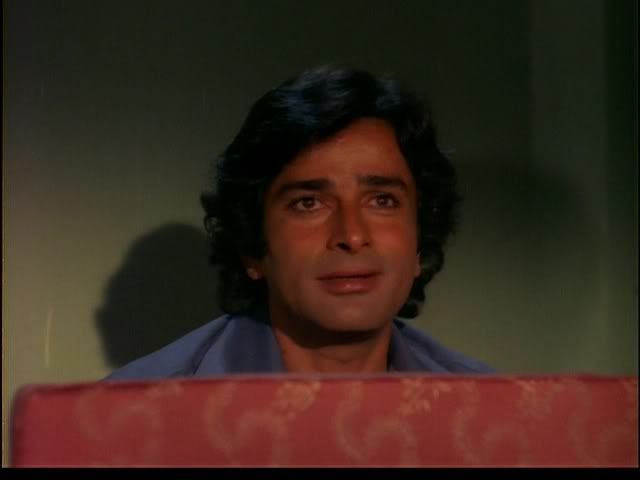
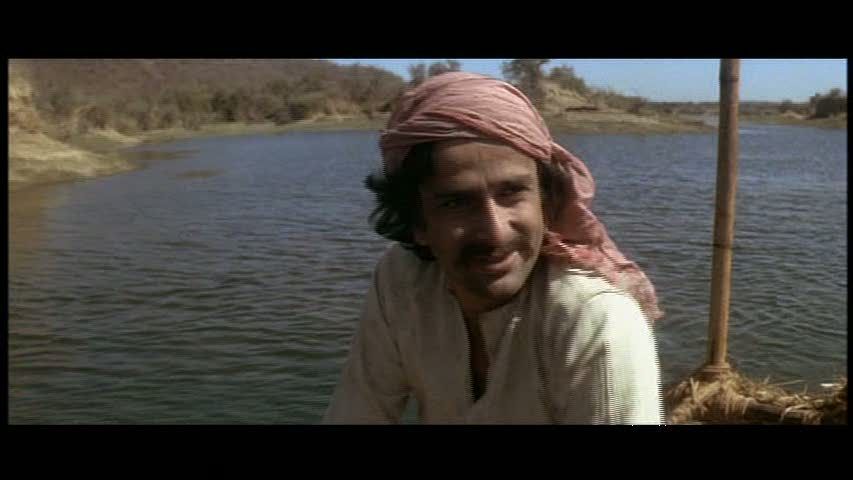
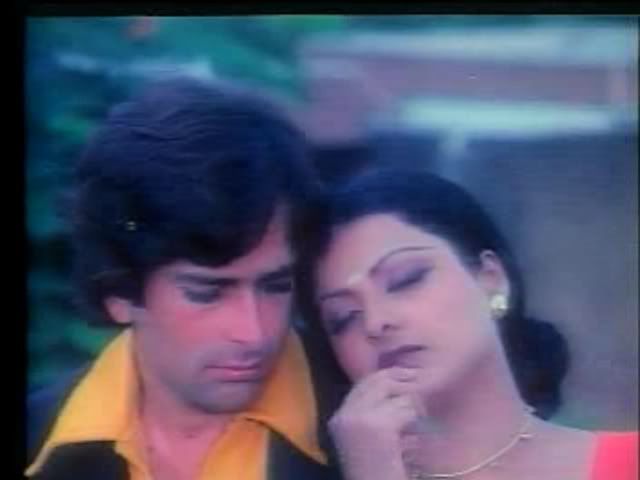
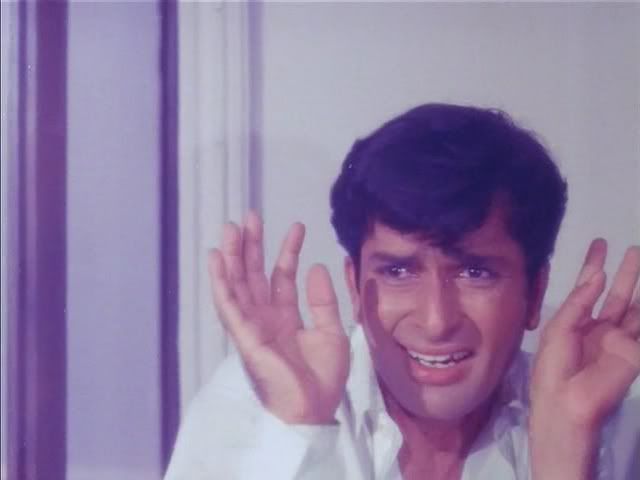
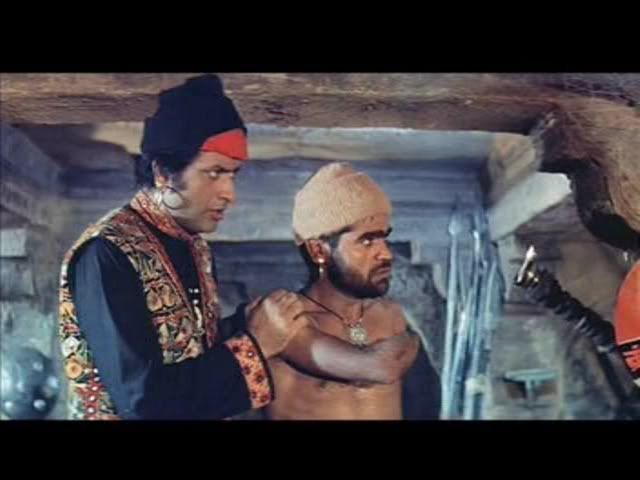
Enter Ravi Verma (Shashi Kapoor), famous poet and
grieving alcoholic. Ravi drives the girls wild with his tragic debauchery and even though his wallowing self-pity is impractical (he doesn't show up to poetry recitals, he squanders the family fortune), he is good-hearted. Yes, really! Byronic he may be, but he lashes out at no one, emotionally blackmails no one, and generally just keeps his moping to himself (or channels it productively into his poetry, excellent!). This is all unlike
some people, ahem.
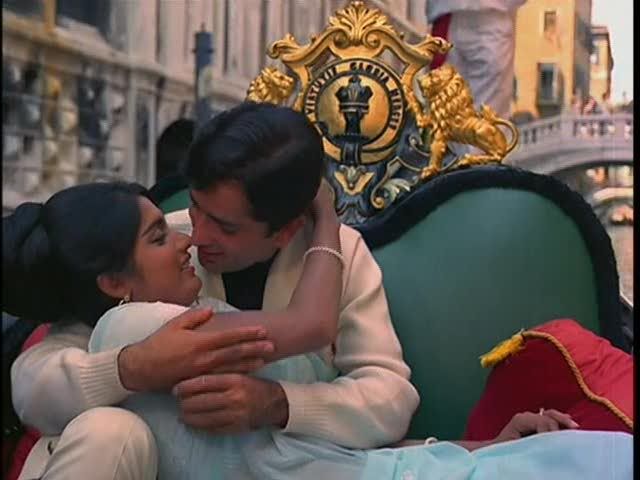
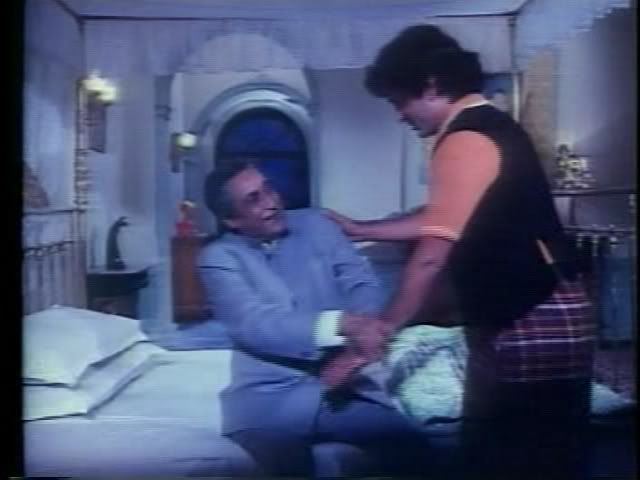
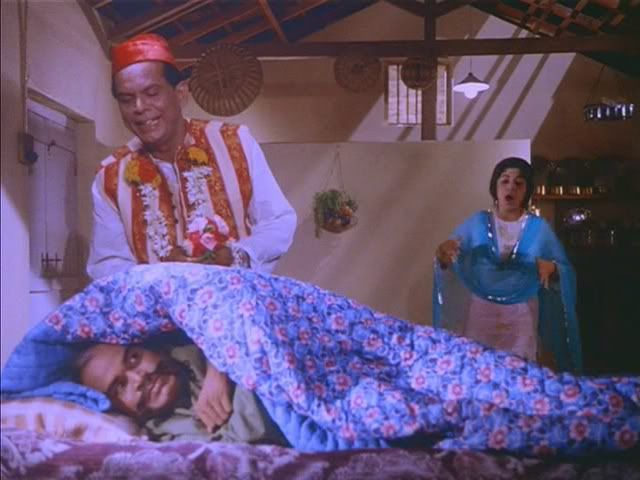
Any movie where Venice is a liberating Elysium gets an A+ in the PPCC's books. La nostra bellissima Serenissima!Indeed, because of his gentle melancholy and good-humored fatalism, most people feel compelled to help him out and cut him some slack - his biggest fan, Jyoti (an adorable Moushimi Chatterjee), her father and family friend (???), even the neighborhood paanwallah. Meanwhile Ravi's semi-royal father (???) and chilly aunt (Shaukat Azmi) are exhausted, annoyed and forever worried about him, and they don't know whether to punish him or help him out (they usually do a bit of both).
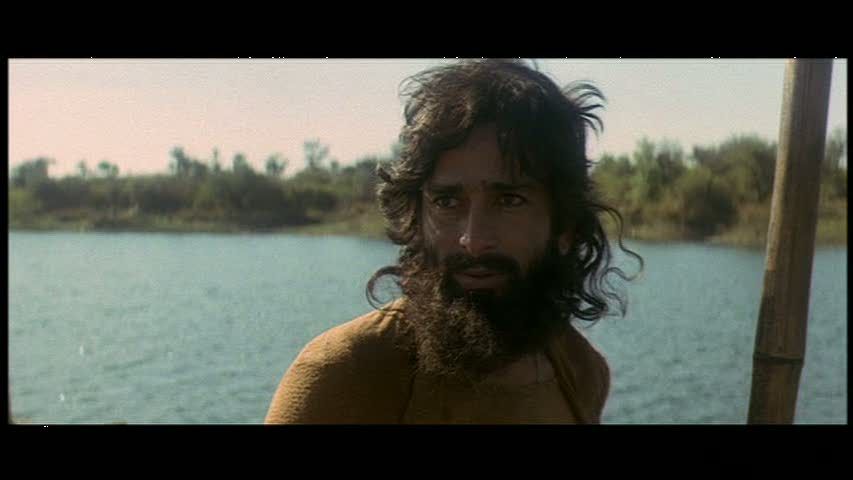
"So what's wrong, Ravi?" you ask the television screen. Flashback by flashback, we learn that back in the day Ravi eloped to Europe (yay!) with a
nautch-girl/prostitute, Naina (Rajshree) - causing much drama back home. If you've ever seen
Umrao Jaan,
Ghungroo, or
Teesri Kasam, you know that such relationships never work out - but kudos to Ravi and Naina for trying! Indeed, we think this is one of the first Hindi films we've seen where the forbidden couple actually
does elope. Told in disorienting cross cuts, we witness their flight through Venice,
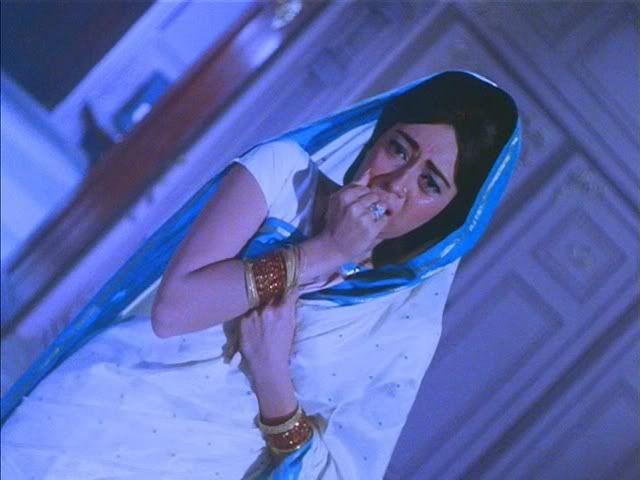
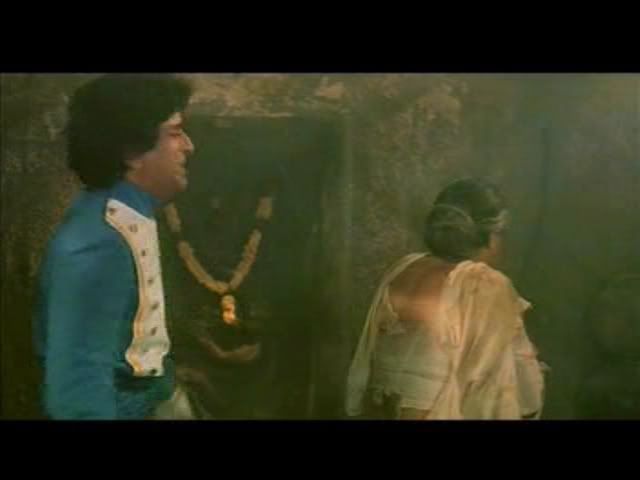
the French Riviera, Rome. Yet something has happened - which we learn much later in the film - and Naina is now dead, Ravi grieving, and Naina's mother (???) and sister, Rajani (???), both courtesans themselves, hating Ravi. Hmm.
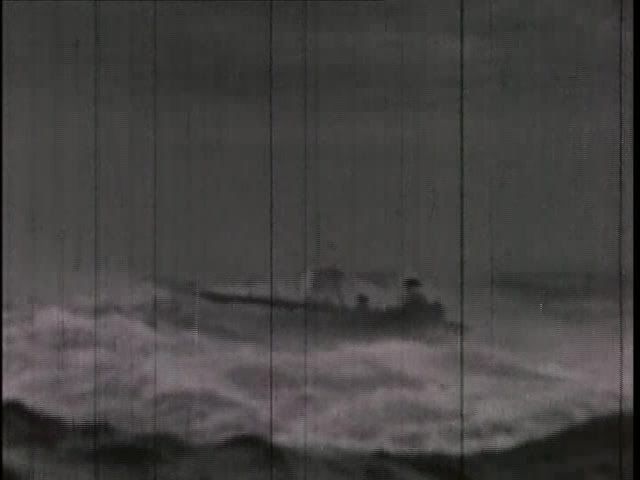
This movie also used blunt and experimental symbolism, such as when Jyoti's weeping over Ravi's alcoholism cross cuts with these subliminal-short flashes of a ship drowning in an ocean (of tears and whiskey, apparently!). Enter the complication: Jyoti, who crushes on Ravi big time, turns out to look a lot like Naina around the eyes. This, naturally, attracts Ravi's attention, and sparks fly of the emotionally unhealthy sort. Jyoti's hero-worship/Florence Nightingale act, however, turns out to be the one thing that might save Ravi from himself, or so think the older generation, who agree to marry the two off. Ravi and Jyoti are thrilled, yet troubles continue - every time things are looking up, Ravi experiences PTSD-like flashbacks and then compulsively drinks and wallows. If you're like the PPCC, you're probably going, "What the hell happened in Europe?! And OMG, please don't let Naina's end be some latently misogynistic moral fable about how eloping and nautch-girls are evil." What Happened In Europe becomes the crux of the film, but we won't spoil it.
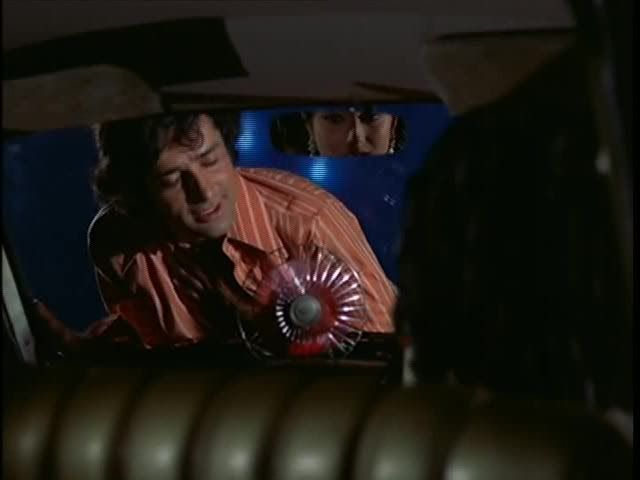
A funny and sweet moment from the song, Humko To Jan Se Pyari Hai, where Jyoti daydreams about Ravi in (and on top of!) her car.
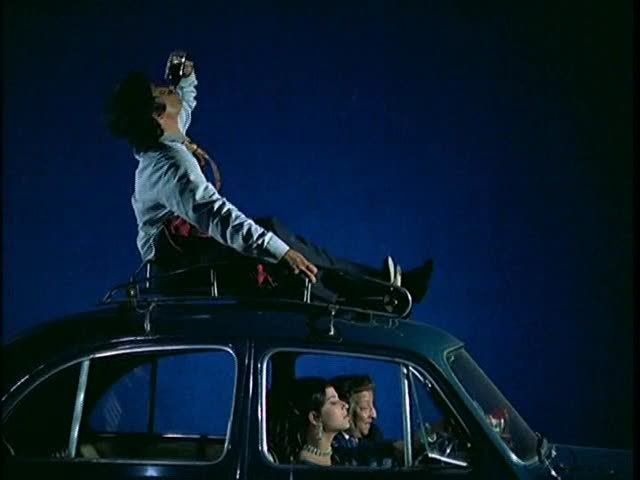
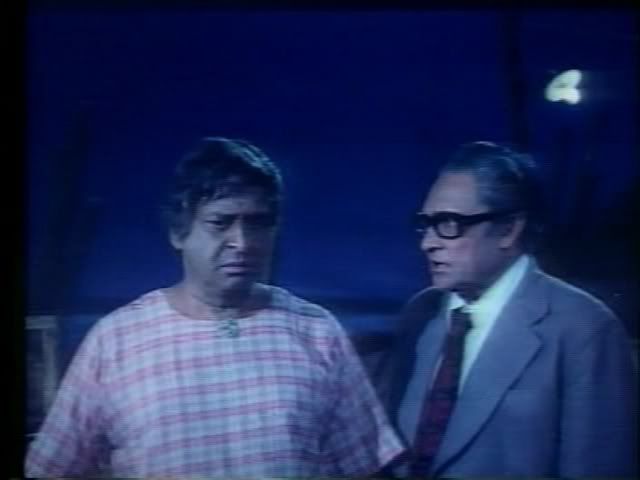
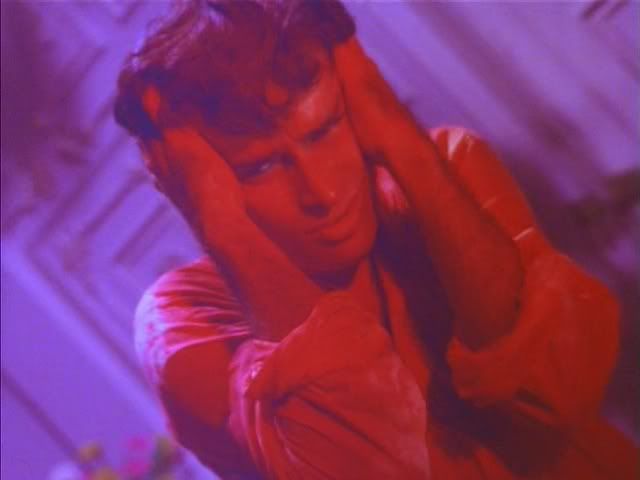
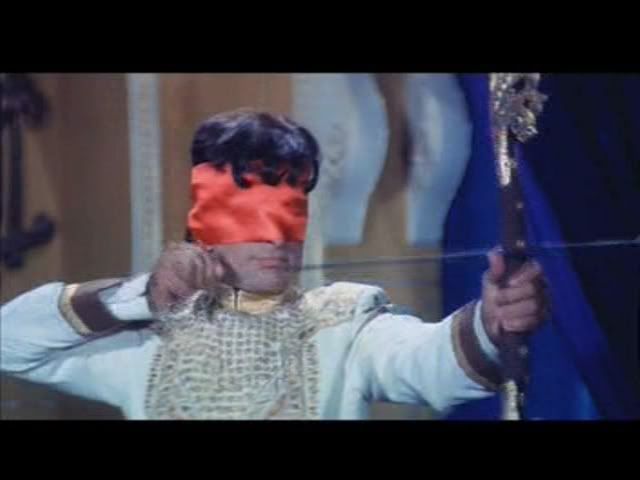
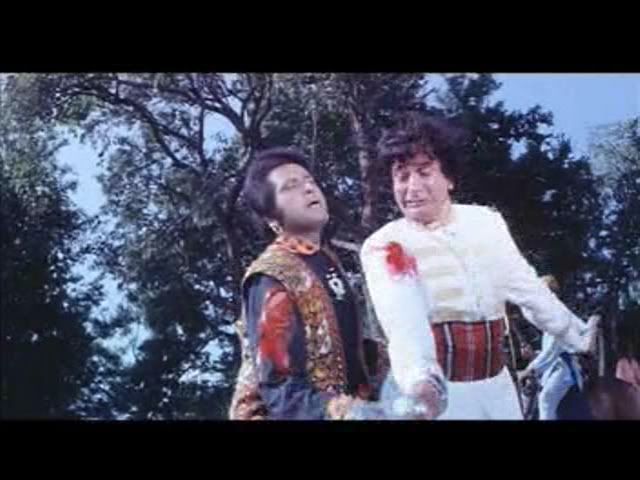
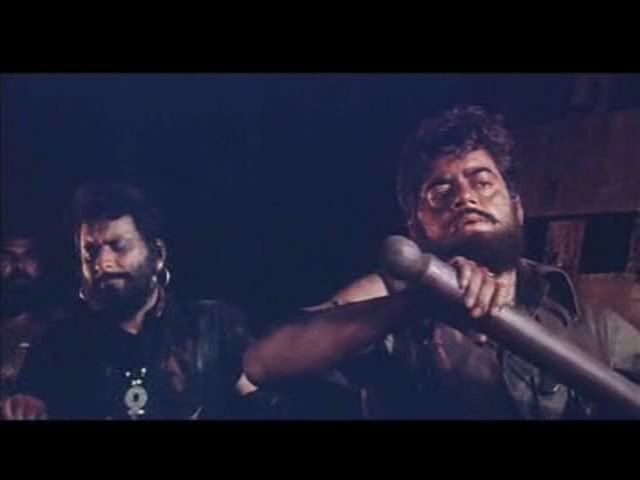
And, because the director of this film loves us, some time later we get a visual parallel in reality.A further complication: Ravi's cousin, Mahesh (???), is basically Iago. Scorned and embittered, he loved Naina too and has channeled his grief outwards, big time. At first, this character rang really hollow for the PPCC, but we slowly grew to accept him as we realized more and more the parallels with
Othello.
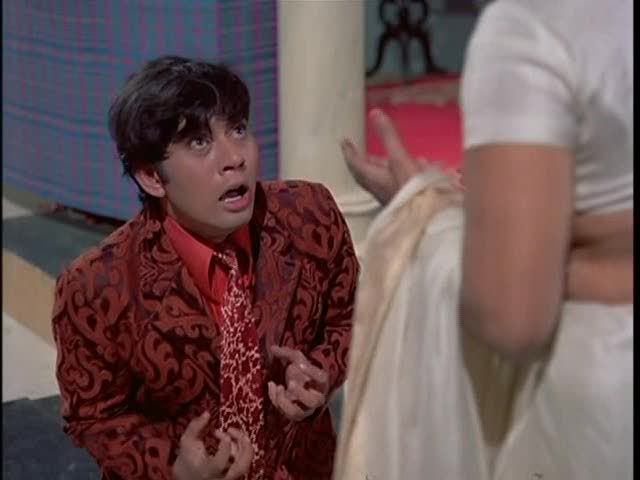
Only when Mahesh just gave in and became full-on Iago did we think his character started to work. His outfits, however, always worked. All he needs are horns and a tail.Some things in this movie worked really well. The most important aspect was Ravi, as he carries the emotional weight of the film. A character like Ravi could have easily turned into someone as intolerable as Sanjay Leela Bhansali's
Devdas, but thankfully he didn't. Like Devdas, he was dark, self-involved and self-destructive. Unlike Devdas, he made constant attempts to break free of his addiction - and yes, it's treated as an addiction. Well, mostly. It also got the movie treatment, which meant that it was perversely glorified as an edgy, Gothic, romantic way to go. But alas, self-destructive behavior in art - from
Laila-Majnu (which this film also calls to mind) to
The Man with the Golden Arm to
Trainspotting - always has a bit of dark romance to it, especially when involving broken hearts and wine. Generally, the PPCC is a big sucker for this aesthetic (aah,
Rumi!), but it can also get
really tiresome if
mishandled. But Ravi's characterization did what it was supposed to: he's dug himself into a hole he's no longer capable of climbing out of, and we root for his redemption.
In fact, special note must be made of Shashi. James Ivory once noted that Shashi's dark side was never fully explored by Indian cinema, and generally that's true: many of his iconic masala roles (
Kabhi Kabhie,
Aa Gale Lag Jaa,
Trishul) were happy-go-lucky bourgeoise types with narry a care in the world. Sometimes (
Junoon,
Deewaar) you'd have intimations of a darker self underneath, but generally Shashi's cinematic avatar was a Force of Good. Hence he's refreshingly different as the tortured and complex Ravi.
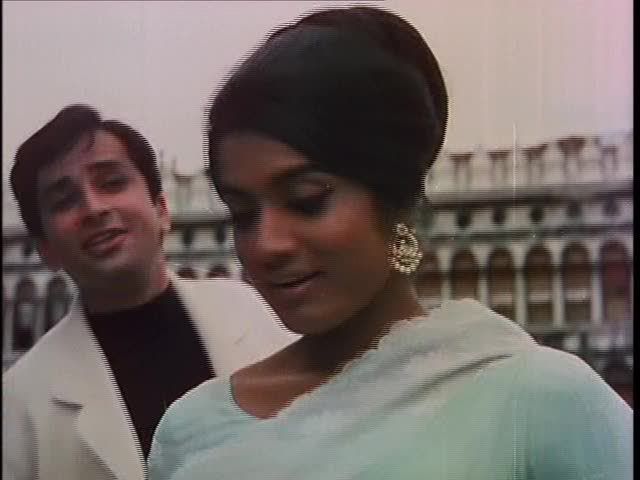
OMG check out that contrast! More Piazza San Marco! *PPCC dies from joy*Another big Shashi surprise in this: his dancing! Yes, really!
Never known for his dancing skills here at the PPCC, we were awestruck by, well, how well he moved! Which segues nicely into...
The songs! This was another very strong point in the film. They were all wonderful - in melody, picturization and general emotional oomph. It was a bit like
Roti Kapada aur Makaan, in that the songs suddenly illuminated the story's emotional undercurrents in startling clarity. Our little heart just shrivelled up: oh, humanity! Oh, life! It's like Rumi on film! Consider
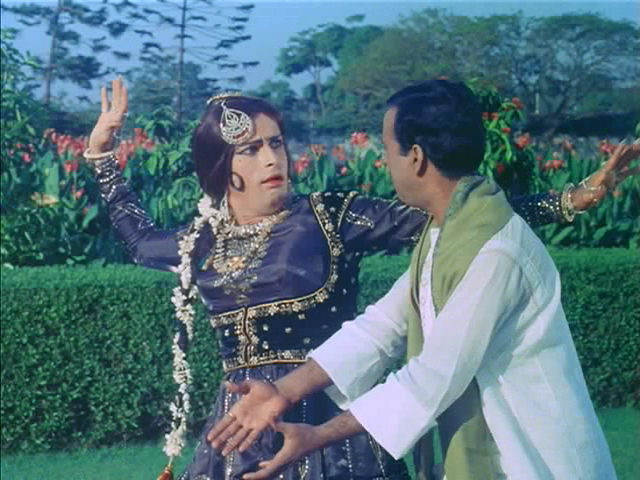
Jane Ye Kya Tumne, a song that sounds like it was written by
Beirut and
Tom Waits - all waltzing decadance and boozy companionship. In fact, this might be our first Hindi film song featuring a male-female drinking buddy pair (Ravi and Rajani) sans demonization! (Yes, really!)
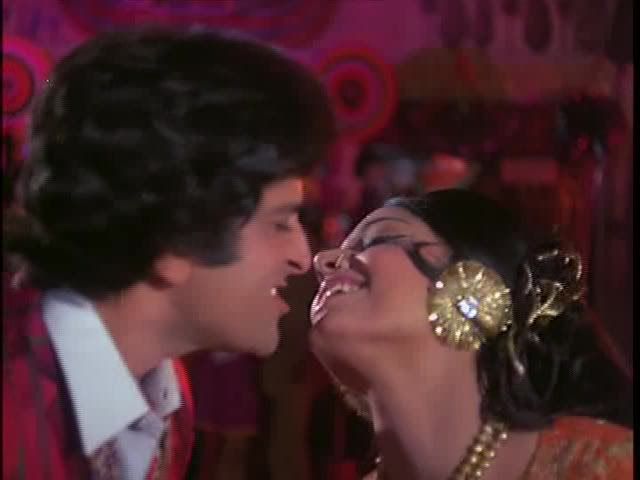
Hey, don't judge if we like to get wasted.
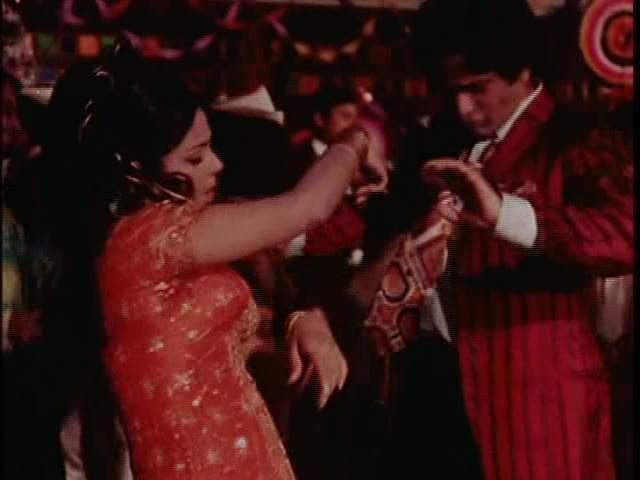
The PPCC got flashbacks of Tom Waits' Jockey Full of Bourbon during this whole song. It also shares vibes with Beirut's evocative A Sunday Smile. And this cap looks like they're getting down to Jay-Z or Outkast, which is great.Another great song is
Humko To Jan Se Pyari Hai, which features gorgeous shots of
Piazza San Marco in Venice, a haunting melody and nice compositions. Unfortunately,
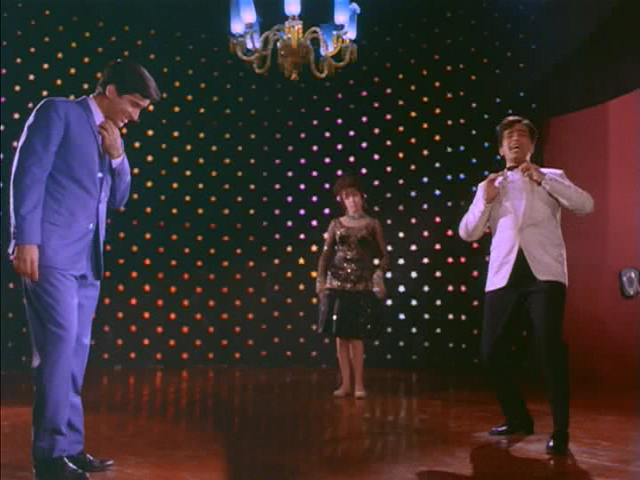
Mujhe Tune Mar Daala, which features the Best Shashi Dancing Ever - and is also just incredibly sweet because it's during a sequence when Ravi and Jyoti are seeing the light at the end of the tunnel - is unavailable on YouTube. Curse you, internet!
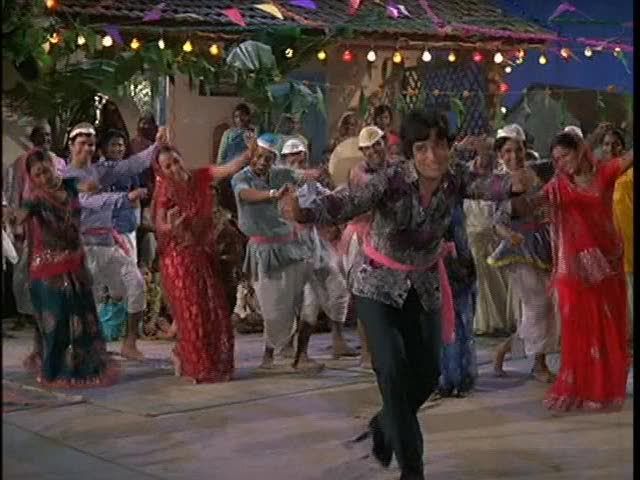
Shashi's Best Dancing Ever. Trust us.Now what
didn't work? Well, alas, the film's relatively straightforward story was protracted. Especially during that middle bit, we were just tired of stupid Ravi and his stupid drinking, stupid Jyoti and her stupid patience, and stupid Iago and his stupid Iago-ness. Hmph. Things picked up again in the end, though, BIG TIME, as it became epically masala. Thank you, movie.
Another thing which was bound to cause problems was Jyoti's characterization. Jyoti is introduced to us as a fan of Ravi's who longs only for a glimpse, or maybe an autograph. When she gets the chance to marry him and nurse him back to mental health, she jumps - not realizing the mess she's getting into. Kudos to Kaifi Azmi for writing up a believable reaction to just how lame it is to actually run a one-woman Alcoholics Anonymous course, and also kudos for acknowledging that doubts would arise as to whether it was a good idea at all. Poor Jyoti tries everything to make the marriage work and get Ravi's head unstuck from Nainaland - she showers him with selfless affection, protects their reputation from gossiping family, cleans up his messes, dabbles a bit in self-harm herself (!), dabbles with reverse psychology, and eventually gives up and tries to just assume the role of Naina, literally. Argh! It was incredibly distressing to see a Good Person willingly do this to herself - all presumably because she crushes on Ravi (understandable, it is Shashi) and likes his poetry. WTF? Thankfully, while her determination is admired, the film shows that her sacrifices are ultimately useless - indeed, it's a chance discovery made by the Whore (Rajani) that ends up saving the Virgin (Jyoti) and everyone else. Yay for not punishing women who drink and dance, for once! Yay for instead giving them the power to set things right!
Anyway, despite the flaws, we enjoyed this movie very much. It was a breath of fresh, semi-masala, semi-indie, Byronic air. The ending was also
so powerful: we never hear the conversation Ravi and Jyoti have in the final scene, we can only see their reactions while the train thunders by and the main song blares. It is, in many ways, like the startling and epic endings of
Kaala Patthar or
Suhaag, where Maximum Dil Potential is achieved, all sins are forgiven, and the PPCC burns down.
Vah! Kya bat thi!Edit: Now you can watch the
PPCC-homemade trailer for Naina, as well as
the cartop song and
Shashi's Best Song Ever.